Perfume Materials from the Bitter Orange Tree

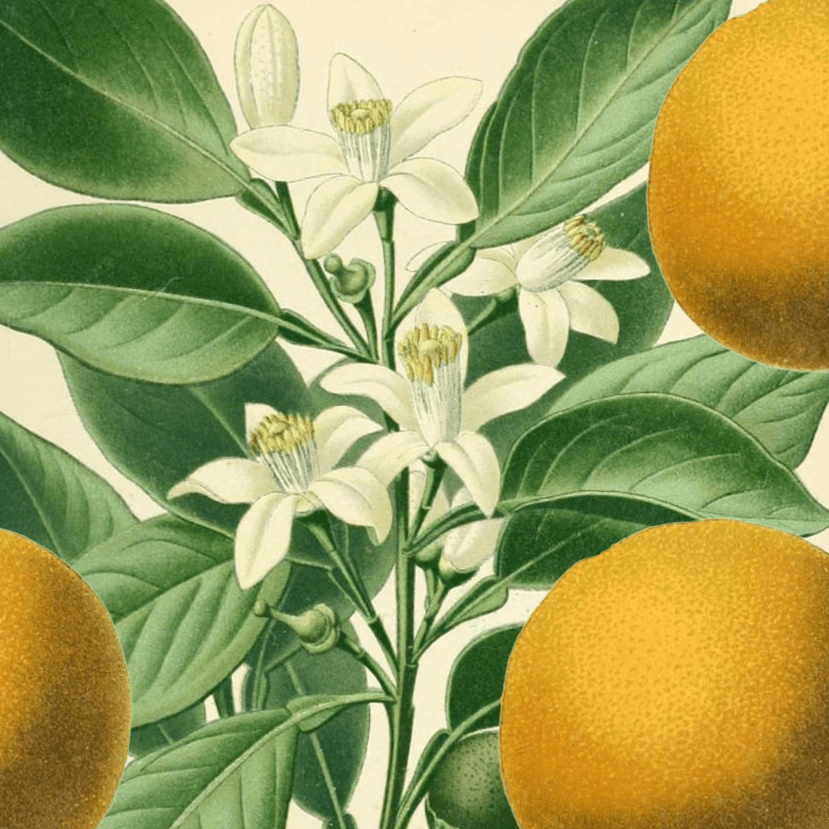
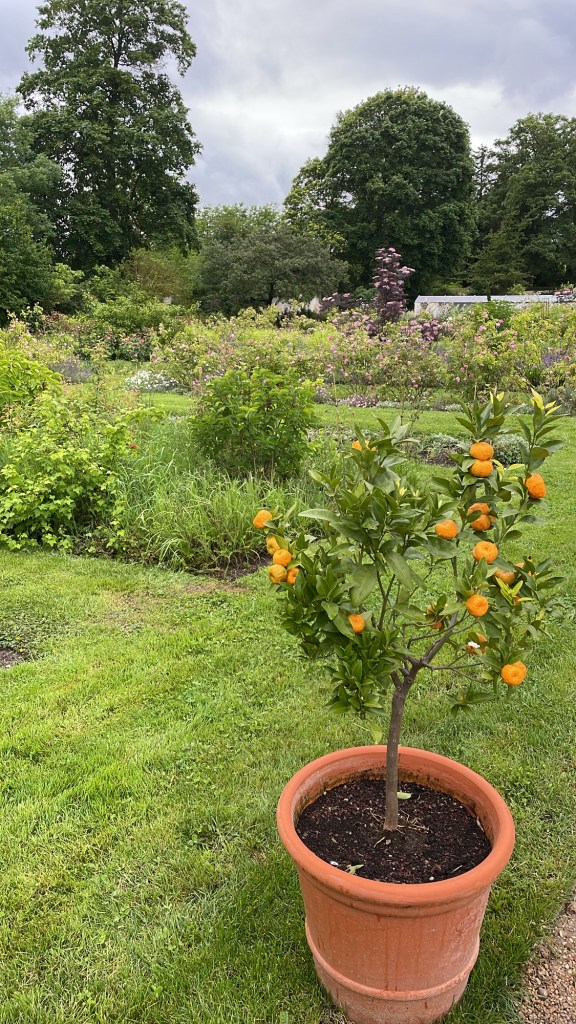
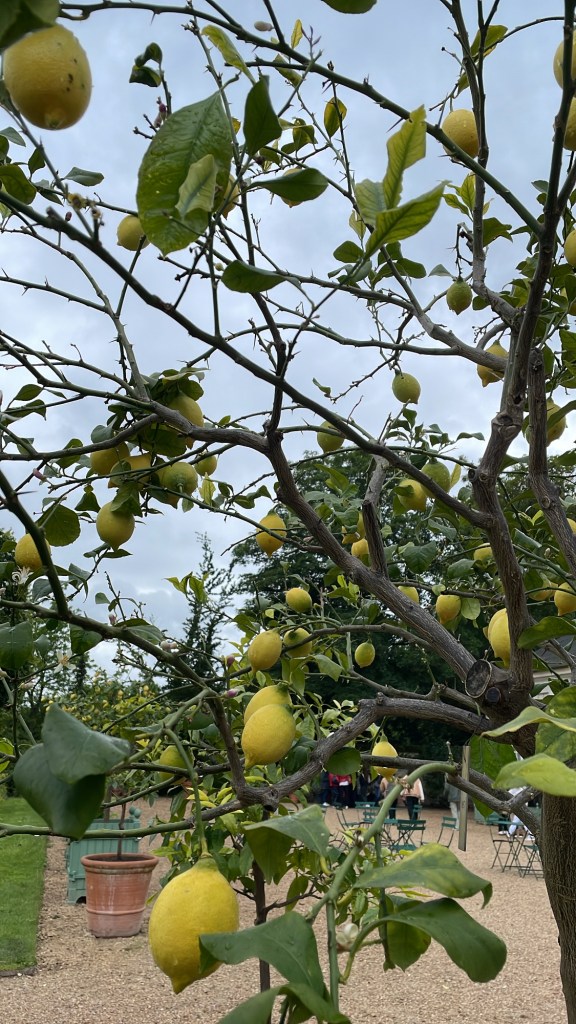
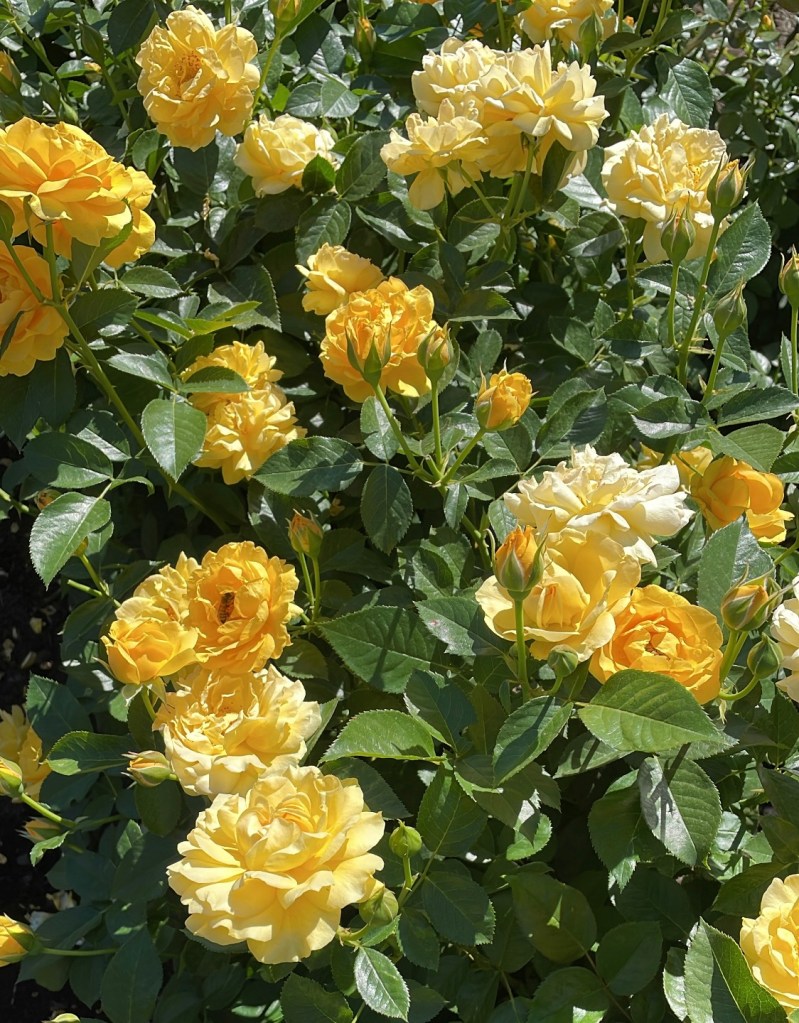
The bitter orange tree gives us several different perfume materials. 

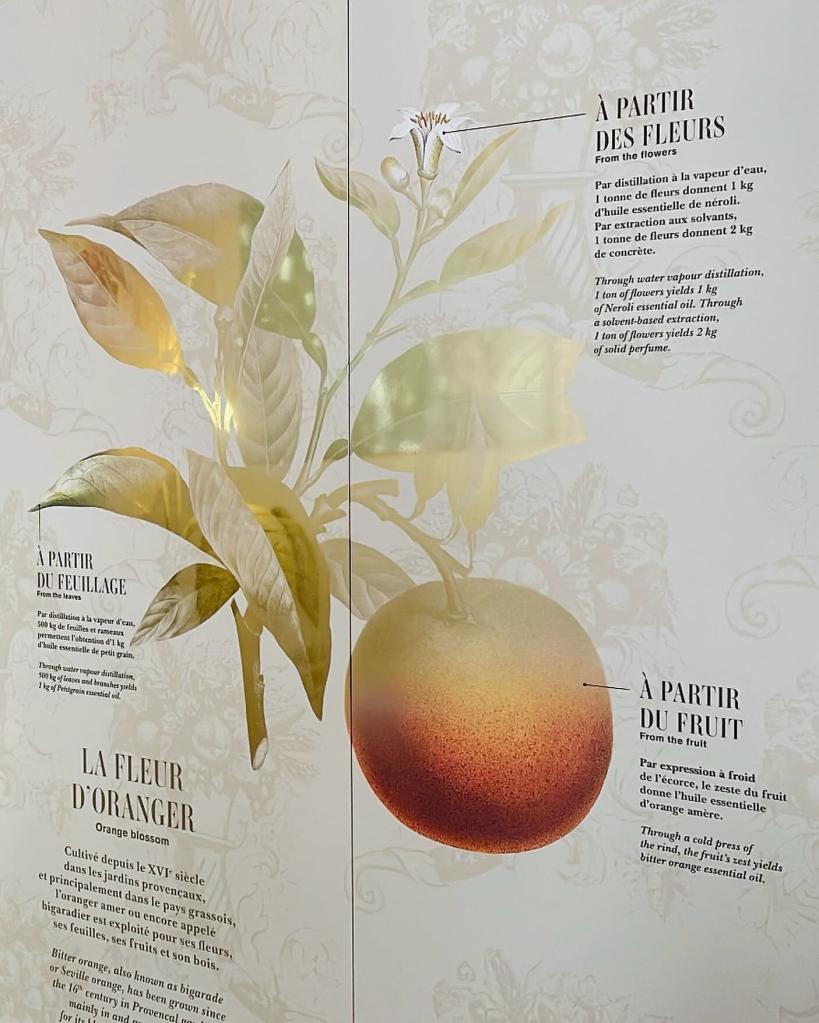
Petitgrain is made from its leaves (and often twigs, too). Its smell is leafy, woody, green, and bitter, with undertones of sweet orange and light florals.

The flowers can be made into neroli or orange blossom depending on how they are processed: neroli is made when the flowers are distilled as an essential oil, and orange blossom absolute is made when the flowers are solvent-extracted. Distillation also produces hydrosol, which is what’s left behind after the oil is skimmed off following steam distillation, and often that hydrosol is then processed into an absolute called orange flower water absolute. 

Neroli smells floral, but more green and woody than orange blossom, which has a higher indole content and a honeyed, heady floral character.
Orange essential oil is pressed from the peel of the fruit, and can come from the fruit of the bitter orange tree (Citrus aurantium) as well as other orange trees, usually Citrus sinensis.

Perfume Note: Tonka Bean

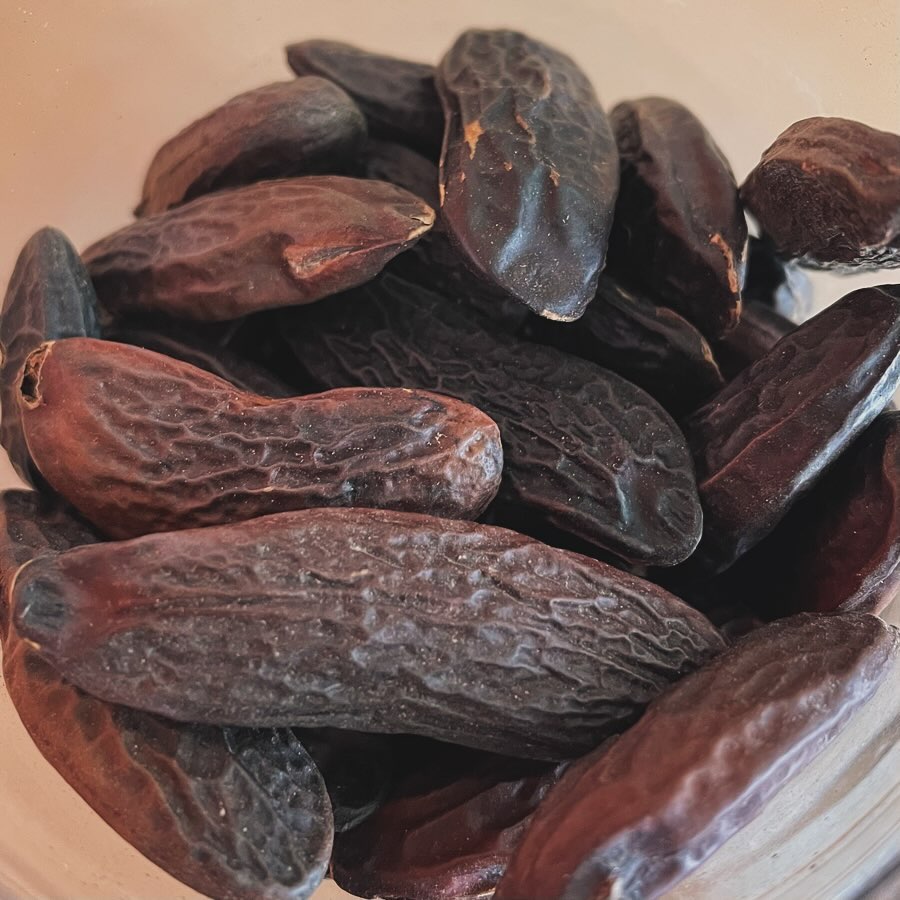
Tonka bean. Soft and powdery-sweet, it smells a little bit caramelized, a gourmand note like vanilla, but with a grassy-herby undertone like mown hay or tobacco. Its scent is primarily made up of the molecule coumarin: the first synthesized molecule to be used in a major perfume. Coumarin was first synthesized in 1868 and debuted in Houbigant’s Fougère Royale in 1882. The molecule coumarin is also found in cassia, vanilla, sweet clover, strawberries, lavender, licorice, and apricots.

Fragonard’s Musee du Parfum

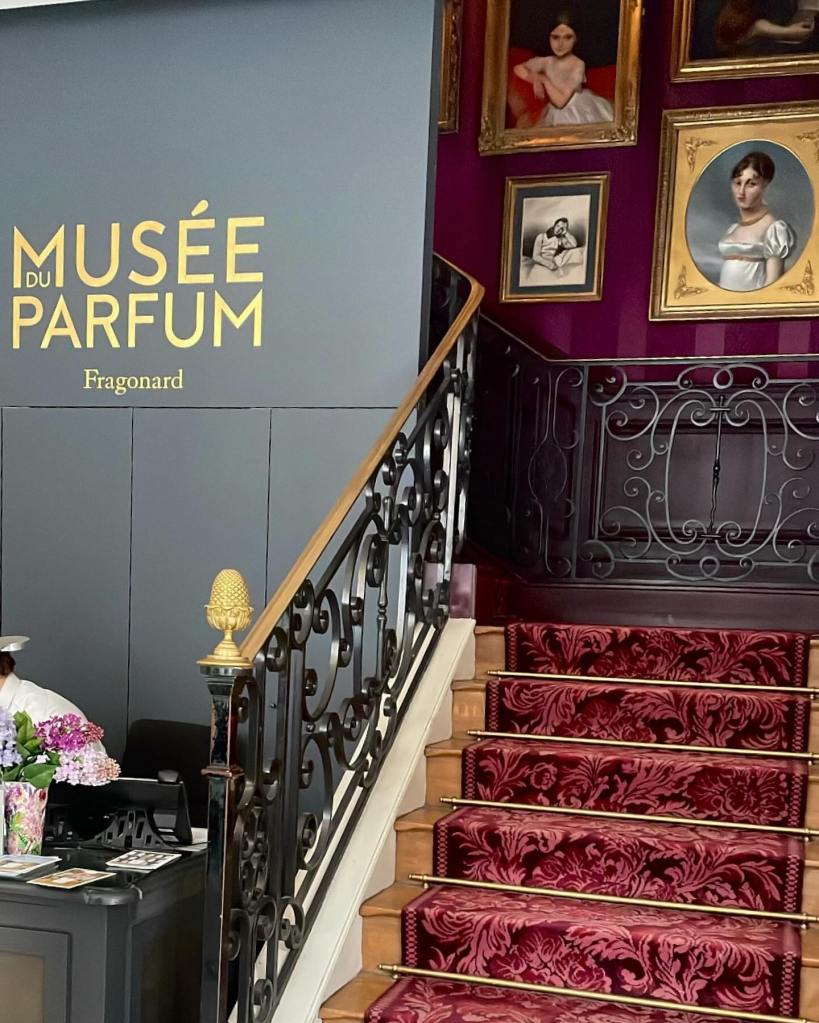
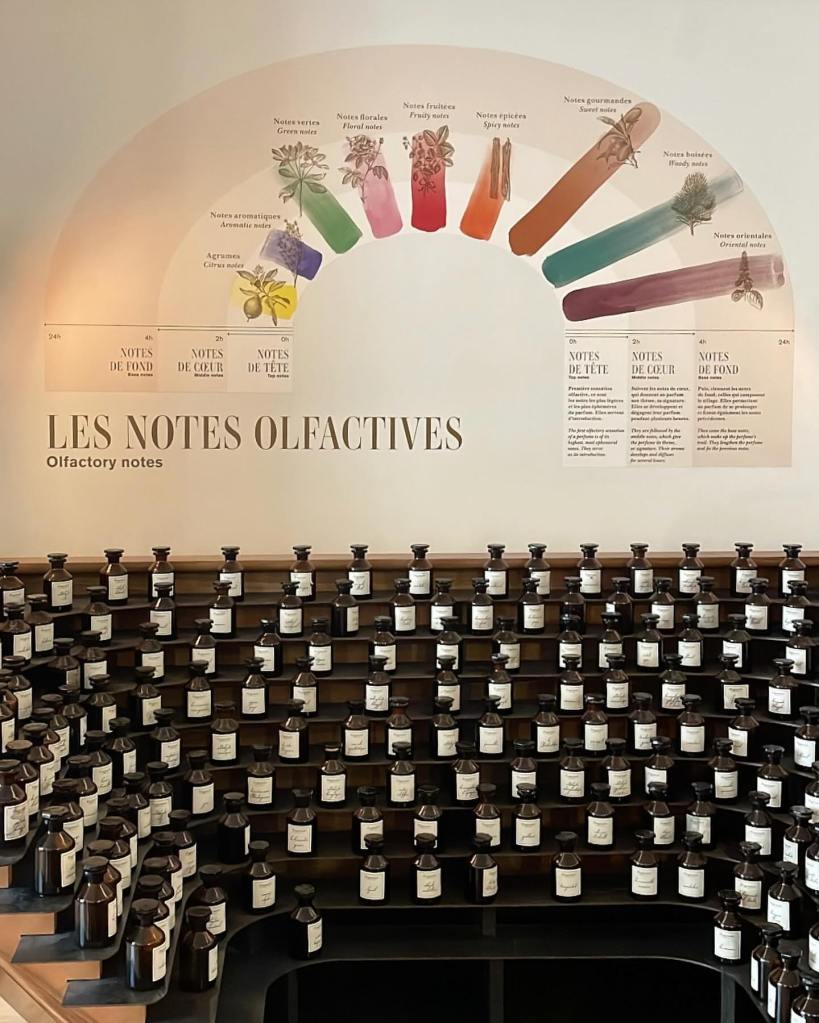
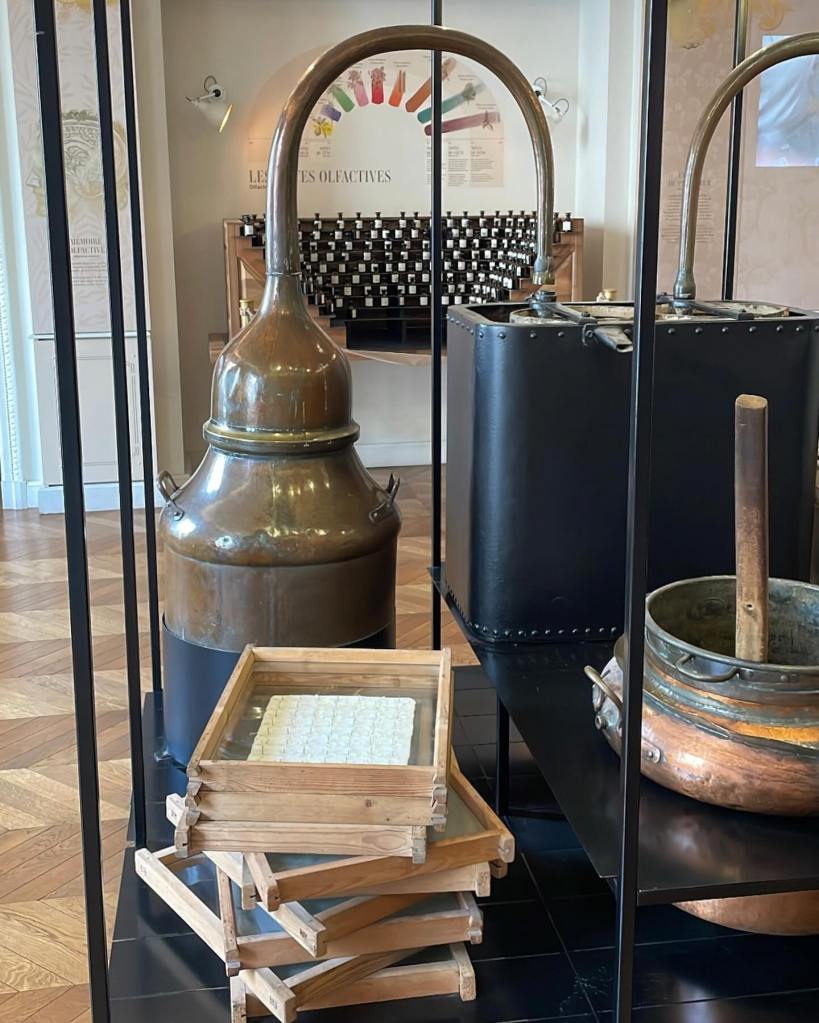
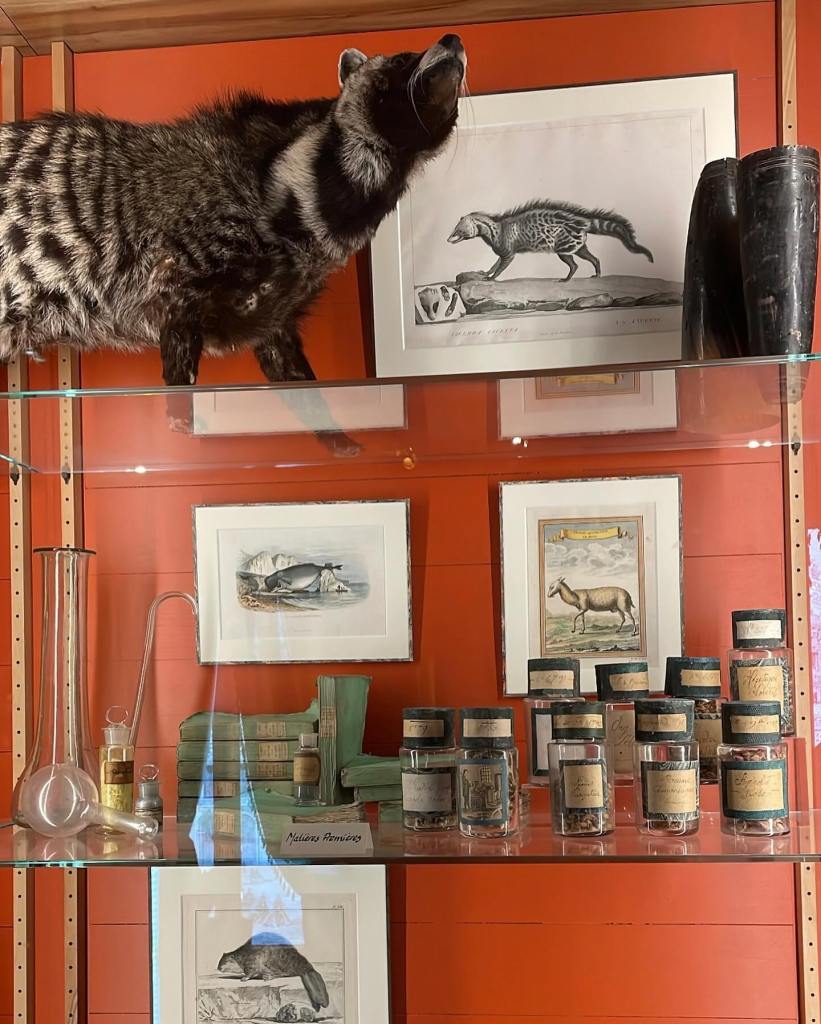
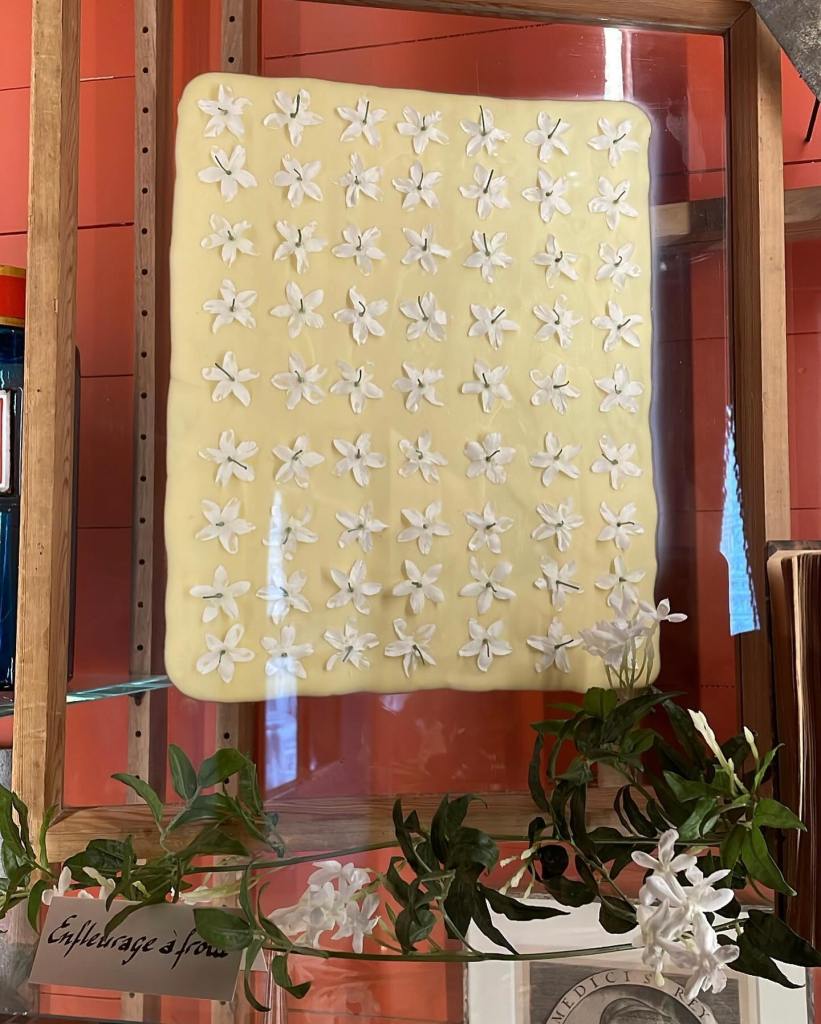
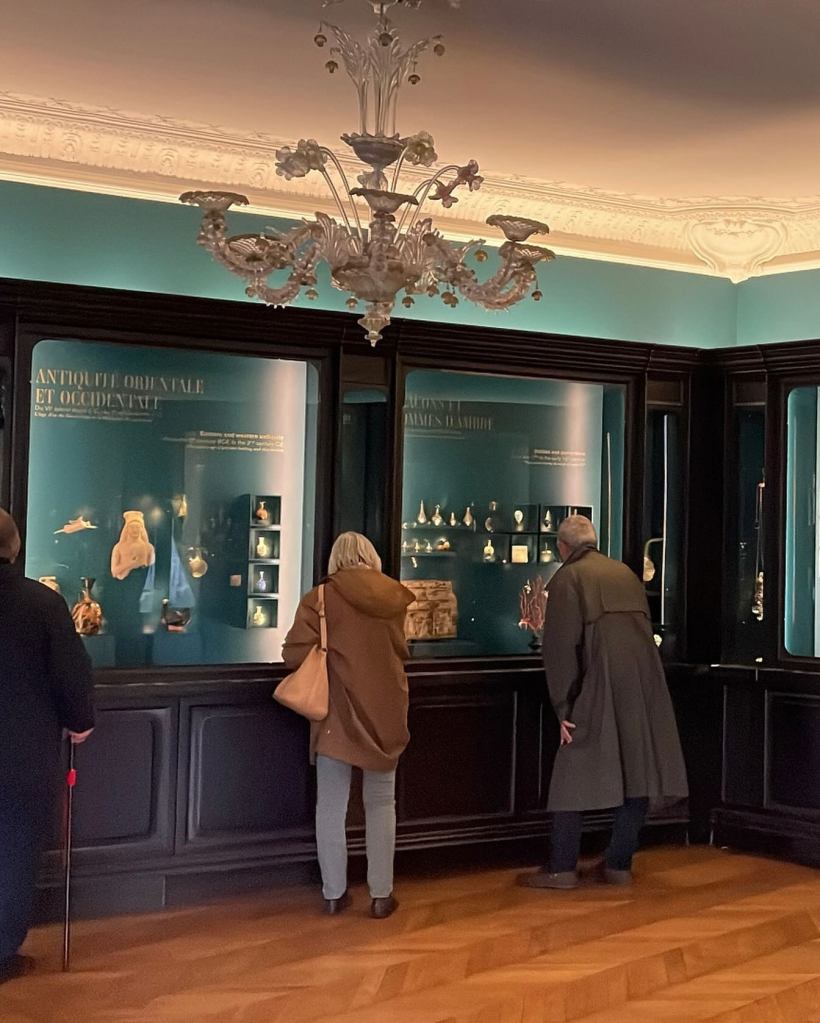
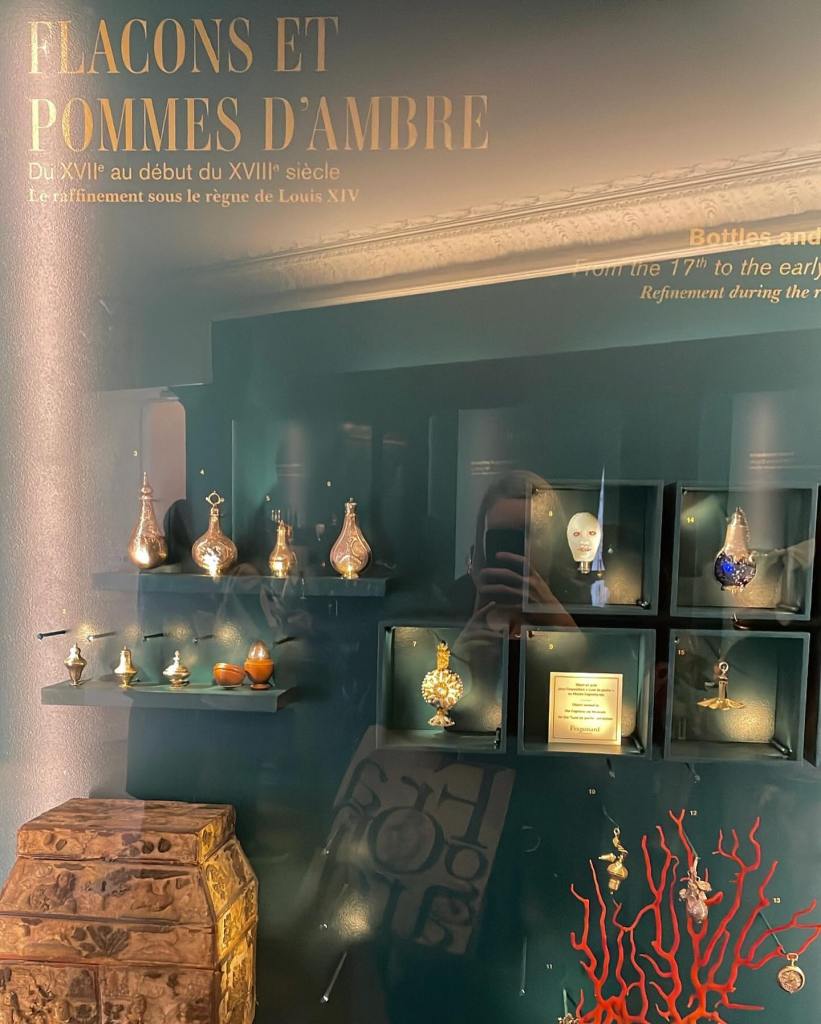
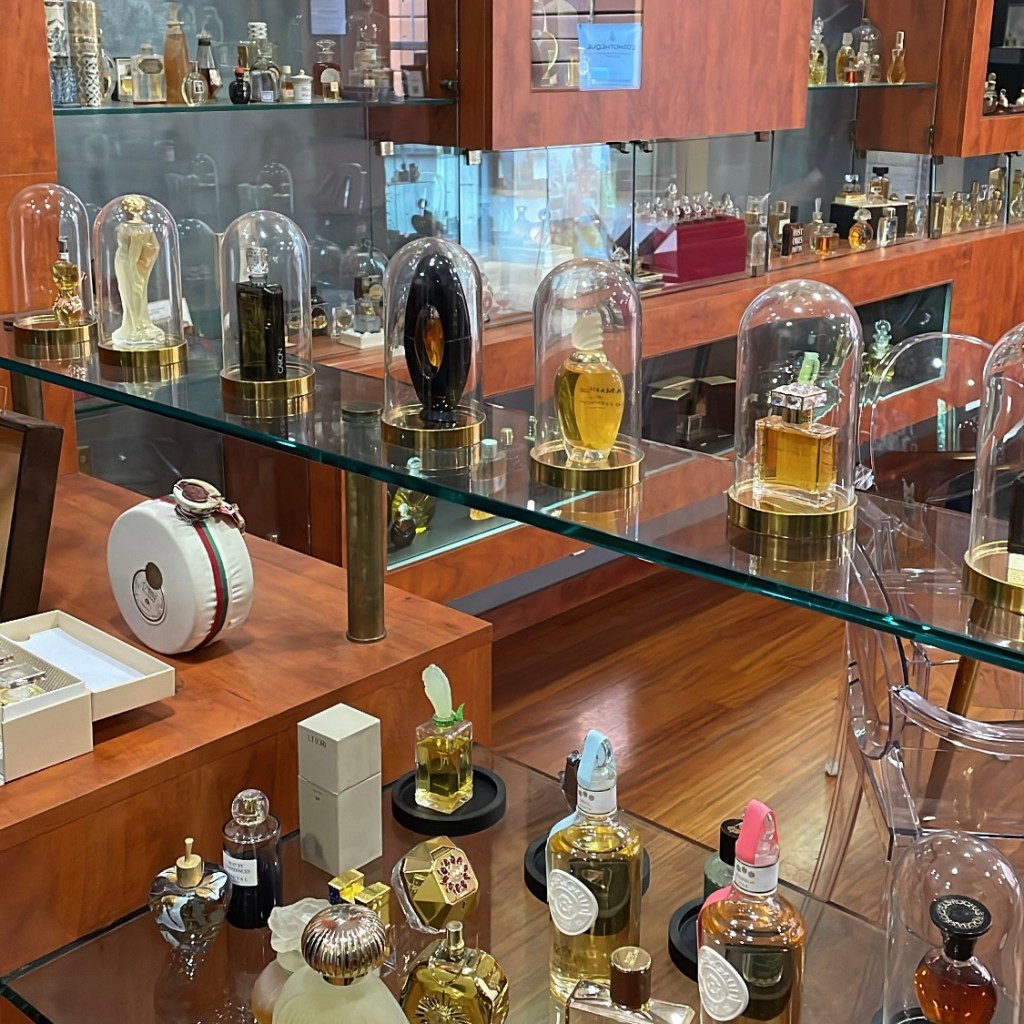
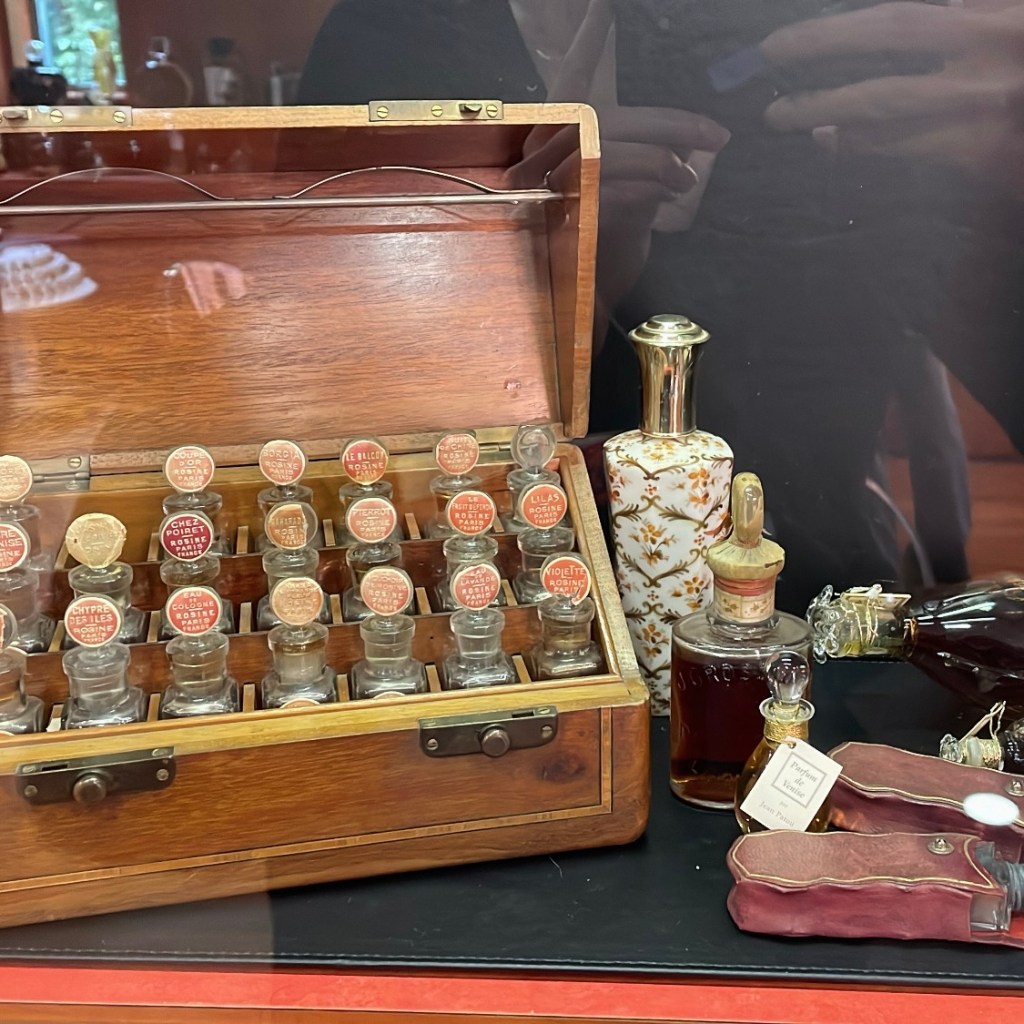
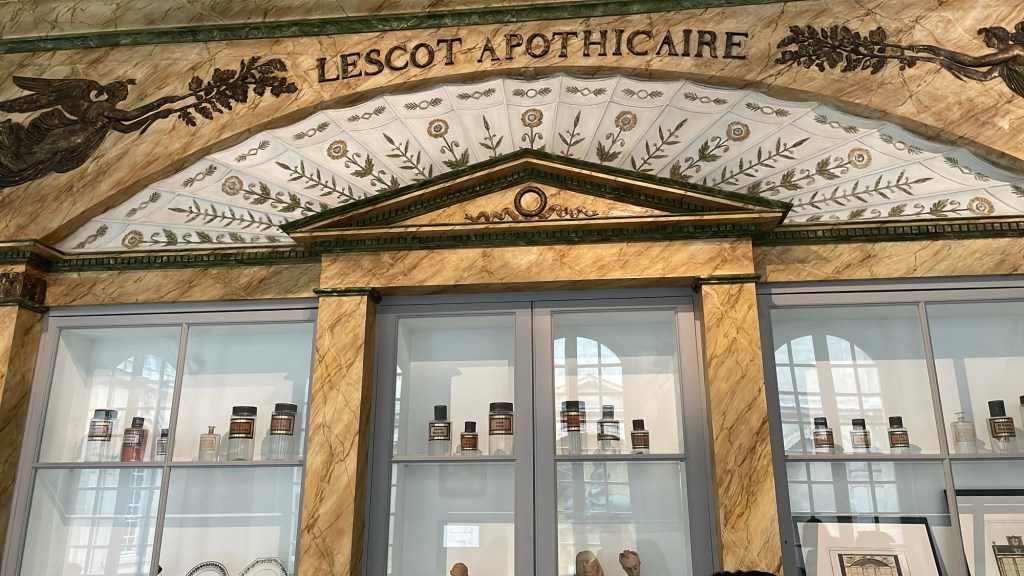
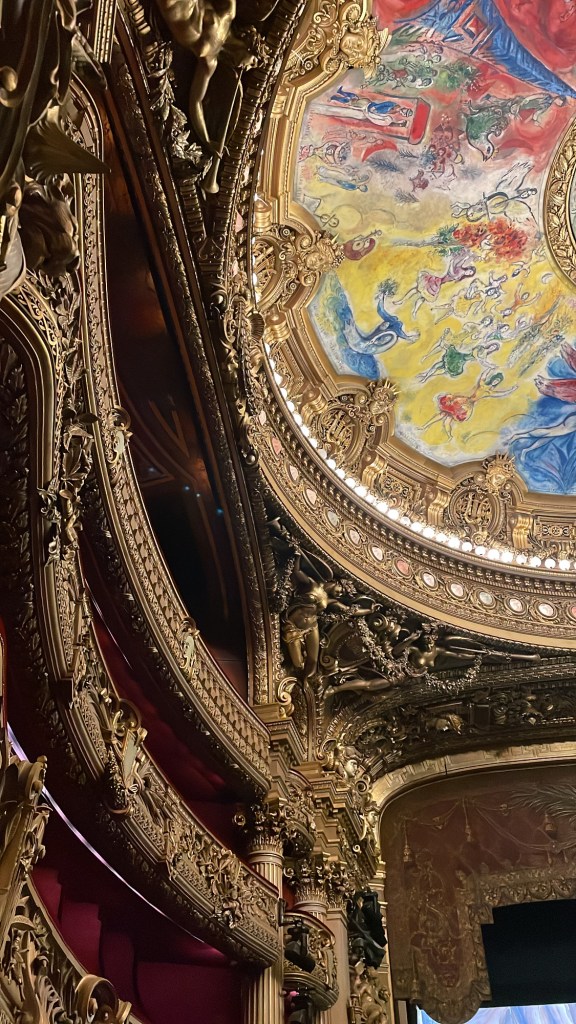
Fragonard’s Musée du Parfum: a lovely little museum just across the street from L’Opera Garnier. It’s free to visit, if you’re ever in Paris. They have a few rooms of exhibits showing historical methods of extracting raw materials and making perfume, along with a collection of antique bottles from past centuries.
Our group also enjoyed a private perfume-blending workshop where we made our own Eau de cologne (a traditional scent based around citrus which generally also contains orange blossom, neroli, and/or petitgrain, and herbs such as rosemary and lavender).

Serge Lutens in Paris

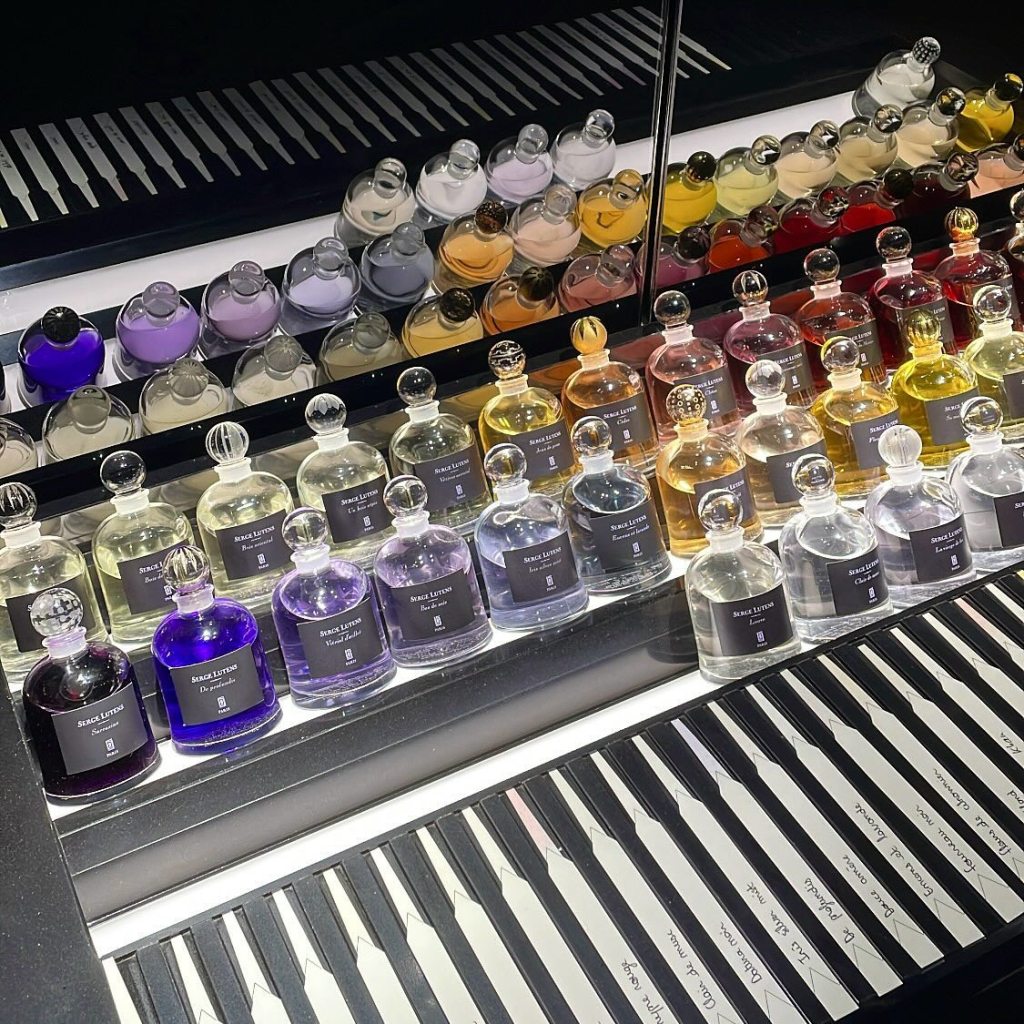
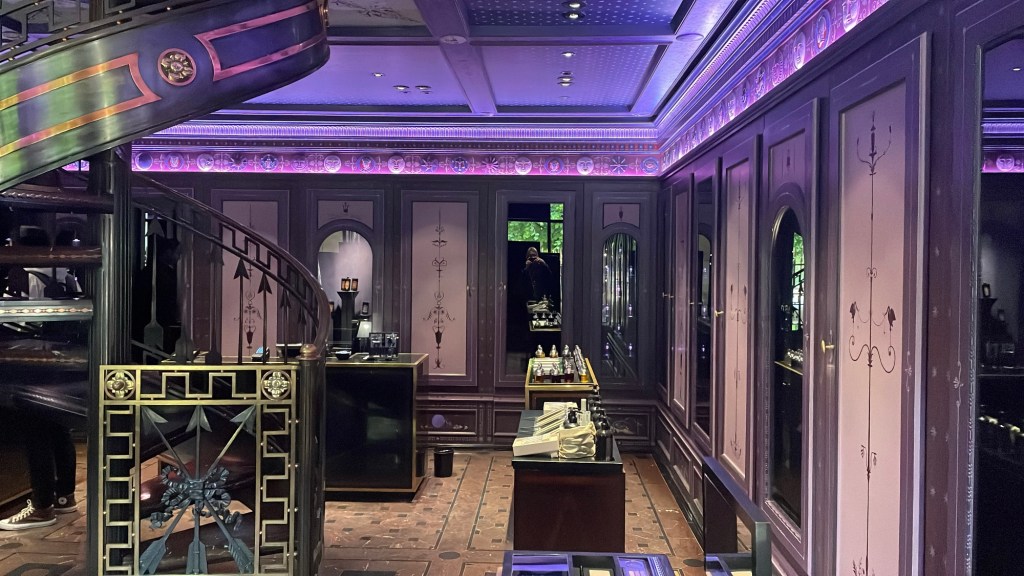
Serge Lutens is one of the first brands I fell in love with when I went down the niche perfume rabbit hole. Their perfumes made me fall in love with perfume. I love their olfactory style, and some of my absolute favorite perfumes in my collection are Serge Lutens: Borneo 1834, Jeux de Peau, Gris Clair…, Five o’clock au gingembre. I’ve also treasured several decants of Serge Lutens scents that different perfume friends have sent me over the years: Baptême du Feu, Fourreau Noir, Encens at Lavande, Fille en Aiguilles, and others. Serge Lutens perfumes have slowly disappeared from US perfume retailers, and rumors abound about how so many of their perfumes have been reformulated to the point of losing their magic.

So, one of my favorite parts of visiting Paris was visiting Serge Lutens shop locations and chatting with the shopkeepers. We talked about our favorite perfumes, and both the realities and the exaggerations of reformulations. (On the whole, they felt that reformulations were minor and did not change the vast majority of Lutens perfumes—but there are a handful that are still on the market but noticeably different. One of my perfume collecting regrets is that I once got a “vintage” bottle of Fleurs d’Oranger with the Palais Royal logo and then decided I was not likely to wear it and re-sold it. One of the shopkeepers in Paris confirmed that is one of the Lutens perfumes that has been significantly reformulated and is not really the same anymore. However, he disagreed that Borneo 1834 smells noticeably different now from when it first launched—and Borneo 1834 is his favorite scent, his everyday signature perfume. He also told me Fille en Aiguilles is being discontinued, and a shopkeeper at a different location told me Baptême du Feu is being discontinued.)

It was such a pleasure to smell old favorite scents and sniff new ones (I really like one of their new releases, Écrin de Fumée, and got a sample of that to keep wearing). And, I took home bell jars of two of my favorite lavender perfumes that I previously only had gifted decants of: Encens et Lavande and Fourreau Noir.

L’Osmotheque

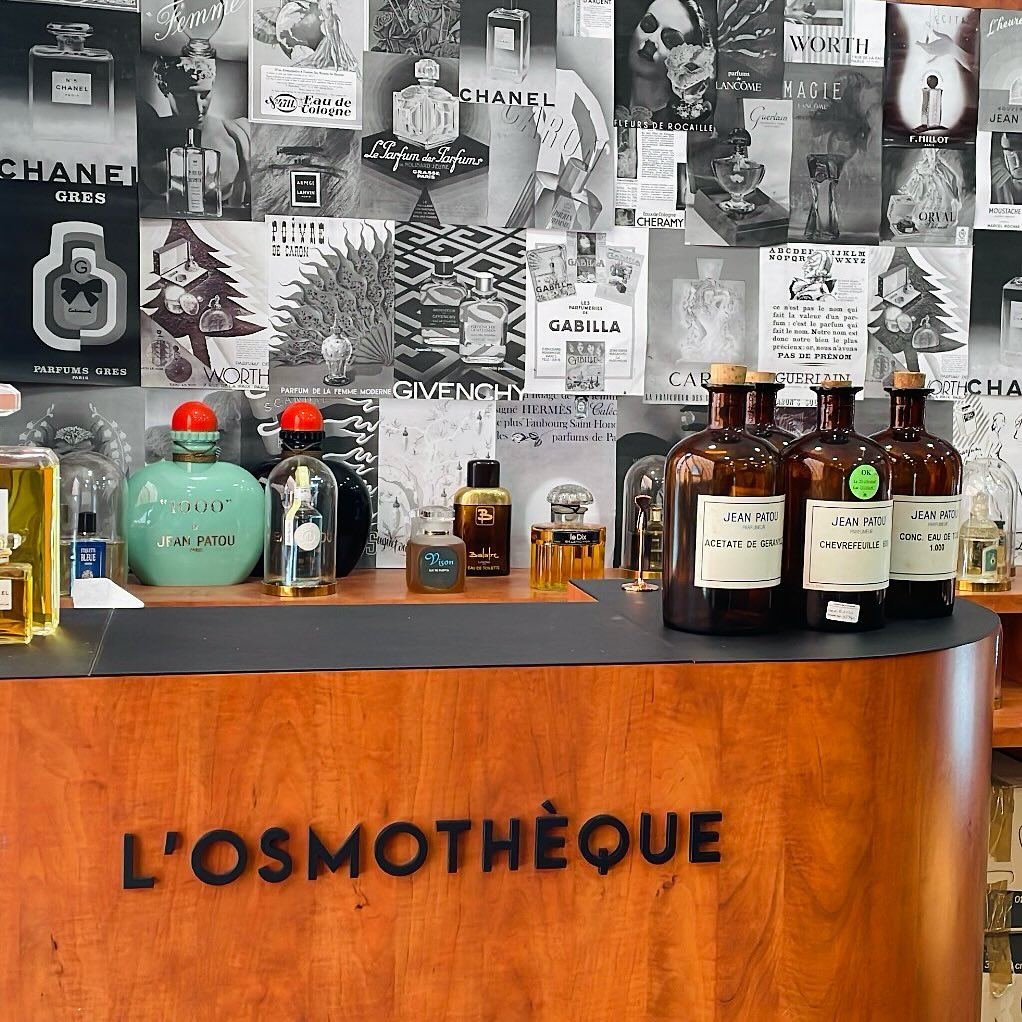
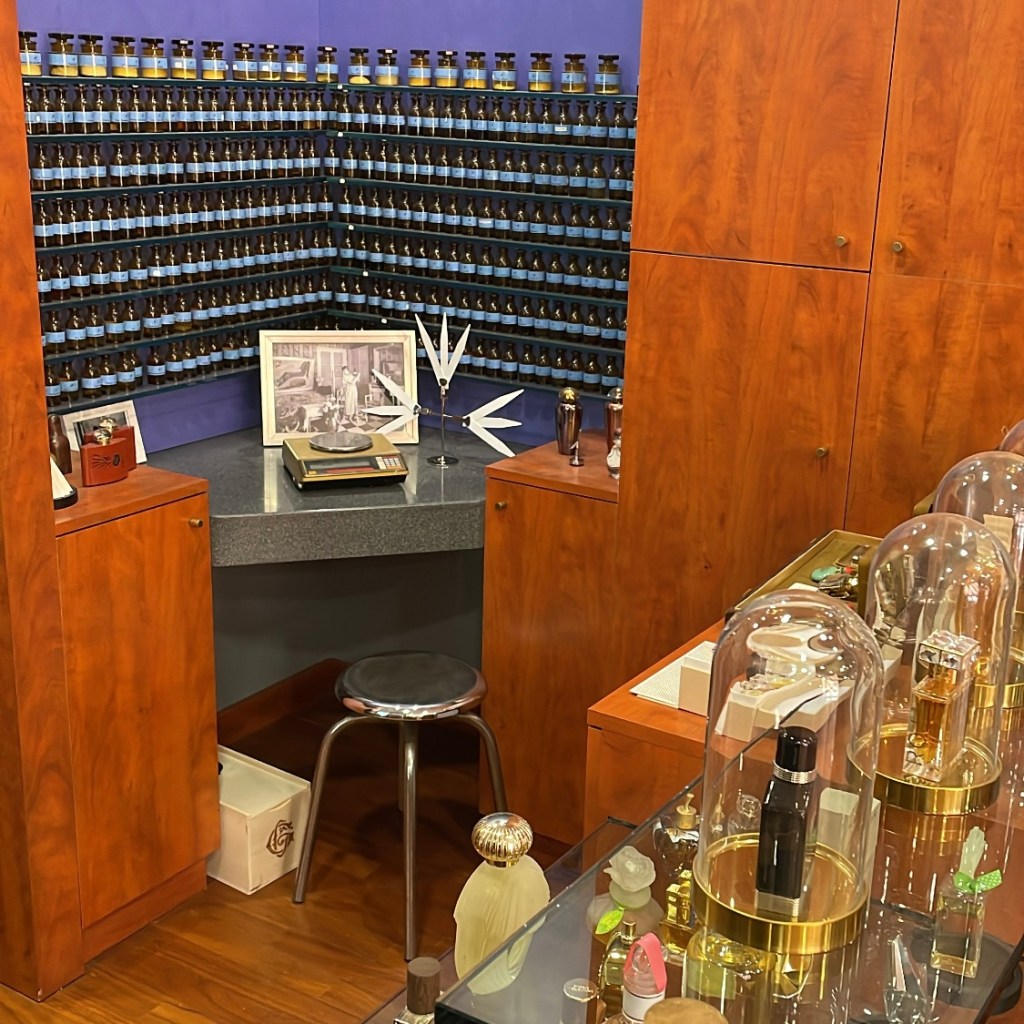
Visiting Osmotheque, the world’s only perfume archive, was a dream come true. Their focus is not perfume bottles (though they have a gorgeous showroom with a ton of antique and vintage bottles), but the juice itself: the actual scents. They formed in 1990 when a group of perfumers decided it was not enough for perfumes to live on only through memory, written descriptions, and nostalgia; we need to be able to smell them firsthand.

This picture showing “la cave” or “the cellar” — 12°C fridges filled with dark glass bottles containing perfume topped with argon, an inert gas, to keep the perfumes as stable as possible within their bottles — that is the heart of Osmotheque. Their archive houses 5,000 perfumes, 850 of which are no longer available except here.

What I did not realize until I visited is that Osmotheque does not simply take the vintage/antique perfume out of the bottle and preserve it. They have perfume formulas entrusted to them, and they re-blend the formulas with fresh materials: that is what gets preserved in the cellar. (When a raw material is no longer available, that perfume does not get reconstituted.) It is simply reality that perfumes under any conditions will degrade and change over time, to the point that after enough years have passed, the way the juice smells is no longer the same scent that the perfumer created and shared with the world. I asked if they ever get vintage perfume so well-preserved that they don’t need to reconstitute it; the answer is no.

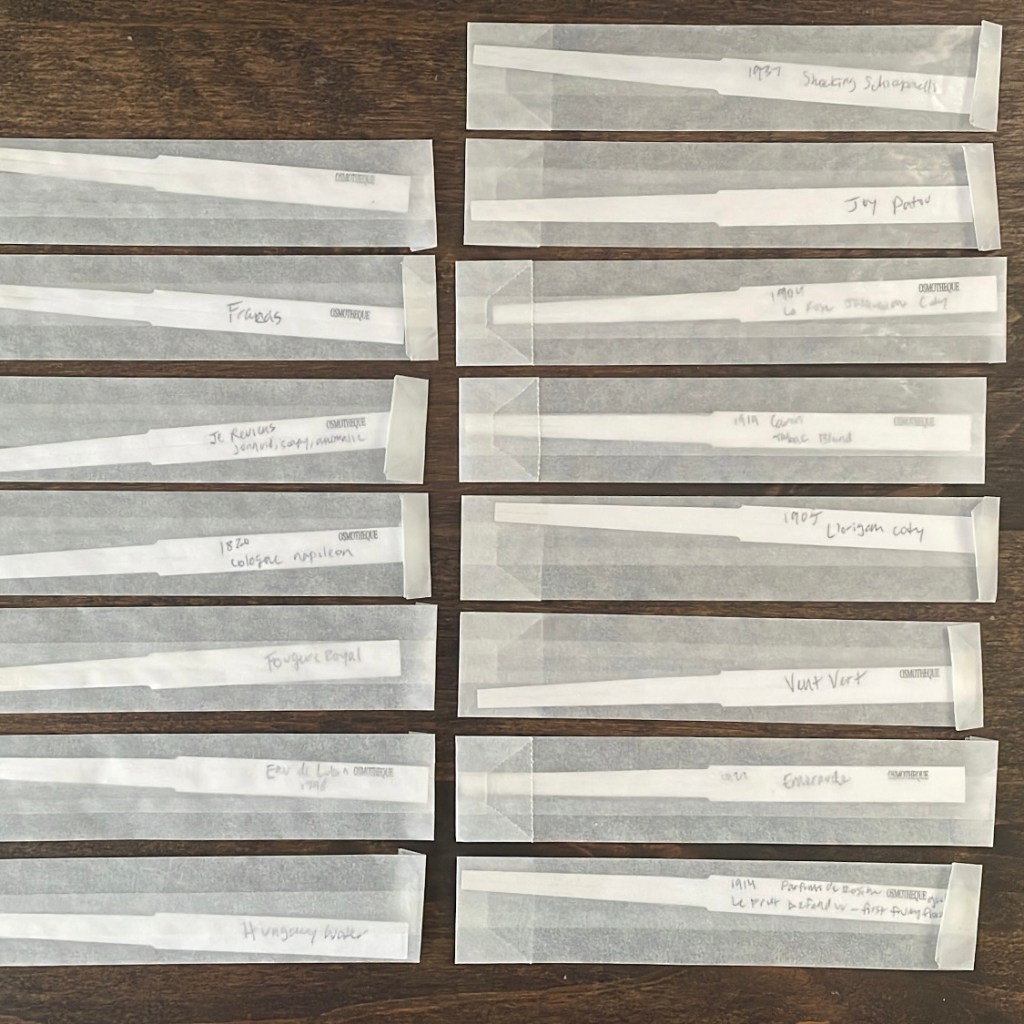
After visiting the cellar, we were treated to a fantastic (and scented) lesson on the history of perfumery. We smelled perfumes from centuries ago when distilled alcohol was first used, all the way through the 20th century. It was striking how that musty “vintagey” smell that overpowers so much of vintage perfume for me was basically absent. There were perfumes where I could smell a sensibility that I associate with vintage style (Shocking by Schiaparelli, 1937, was the primary example of this for me), but on the whole, I felt like I was encountering the perfumes clearly, the way they were originally encountered, and not through the scrim and cobwebs of age and time.

Perfumed Trip to Paris

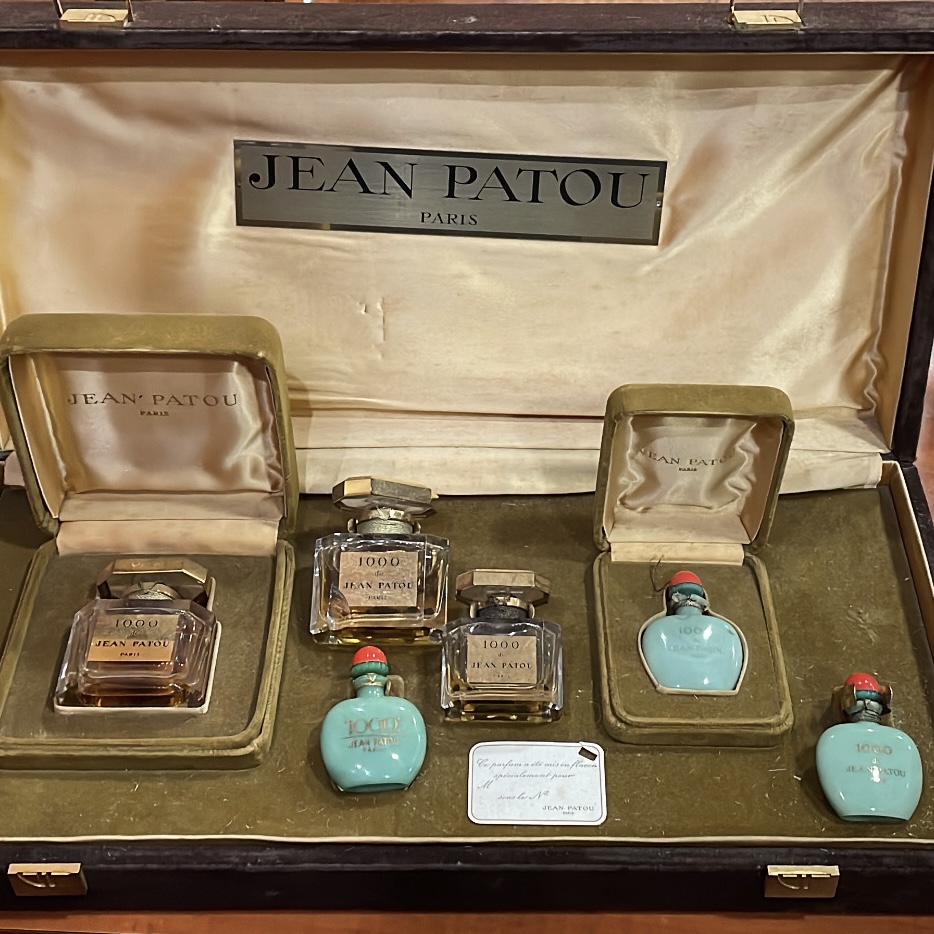
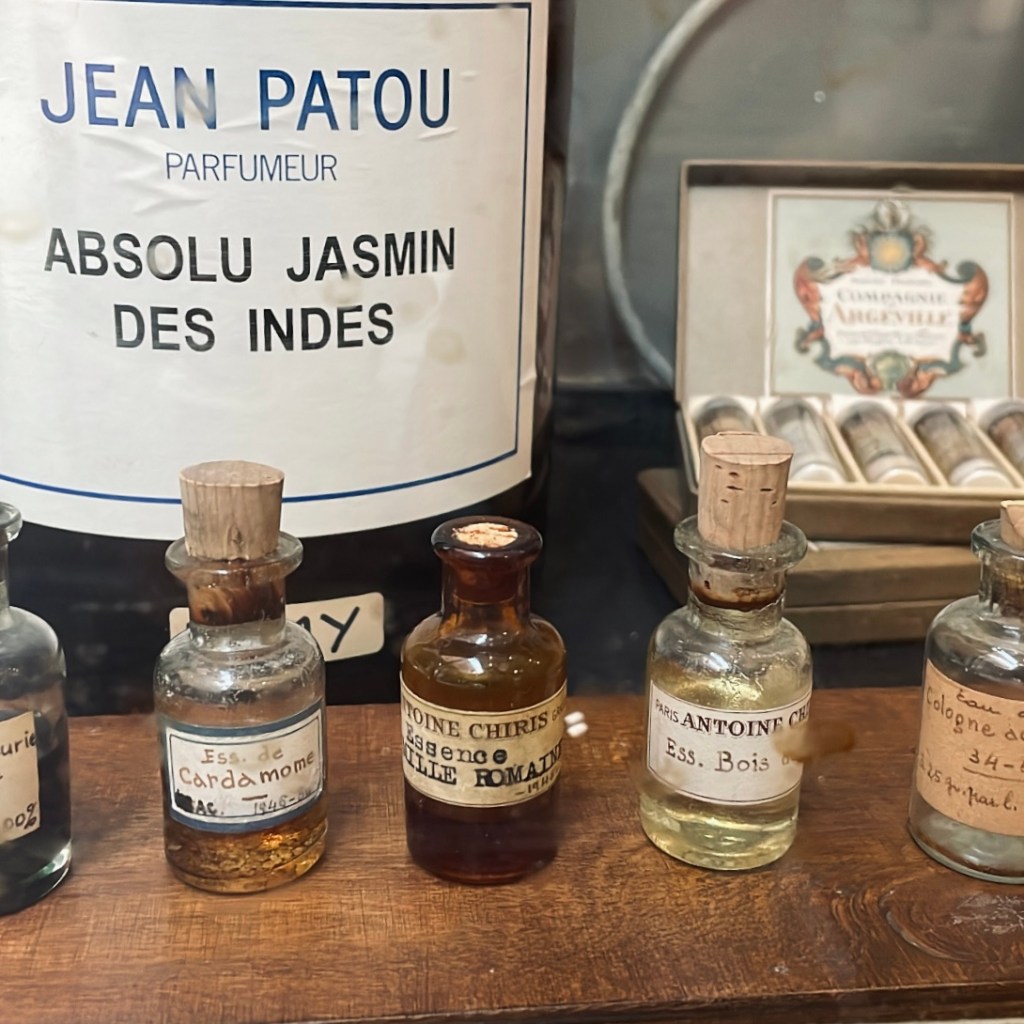
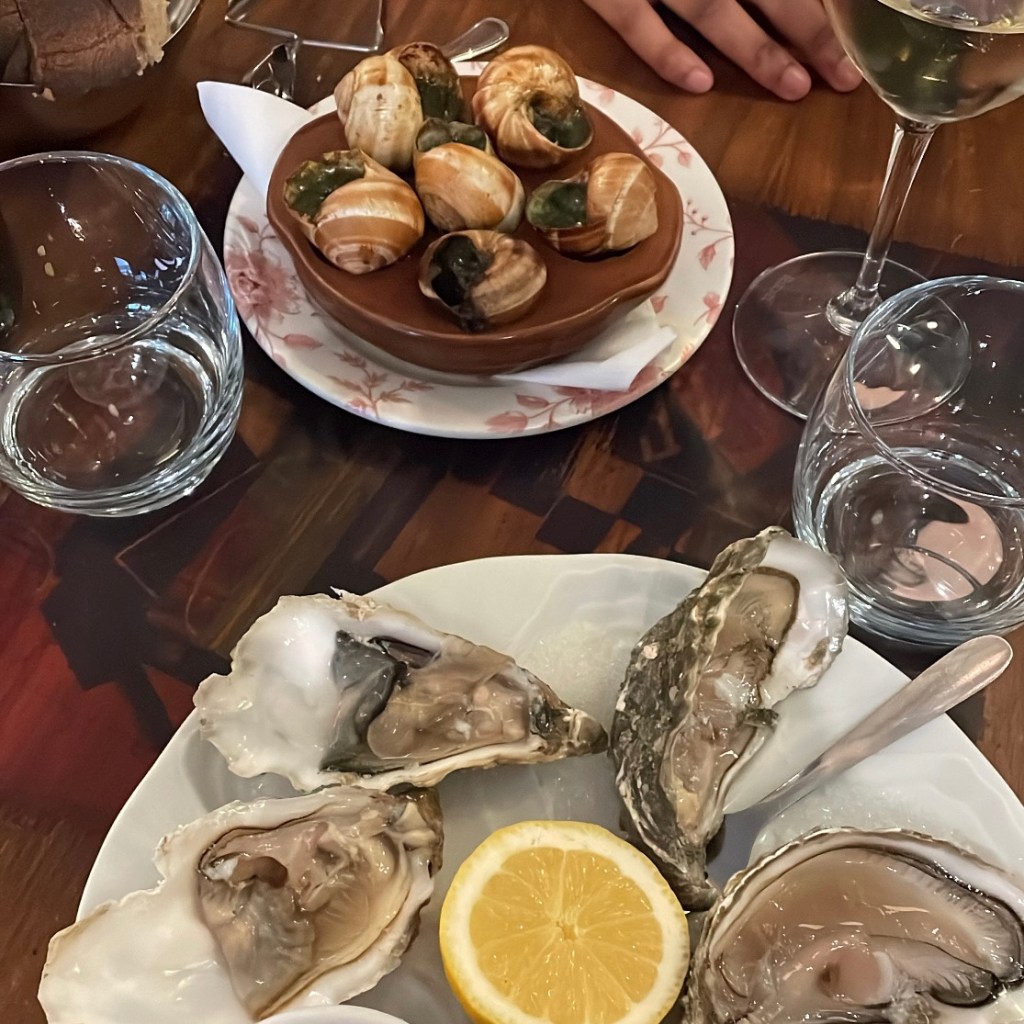
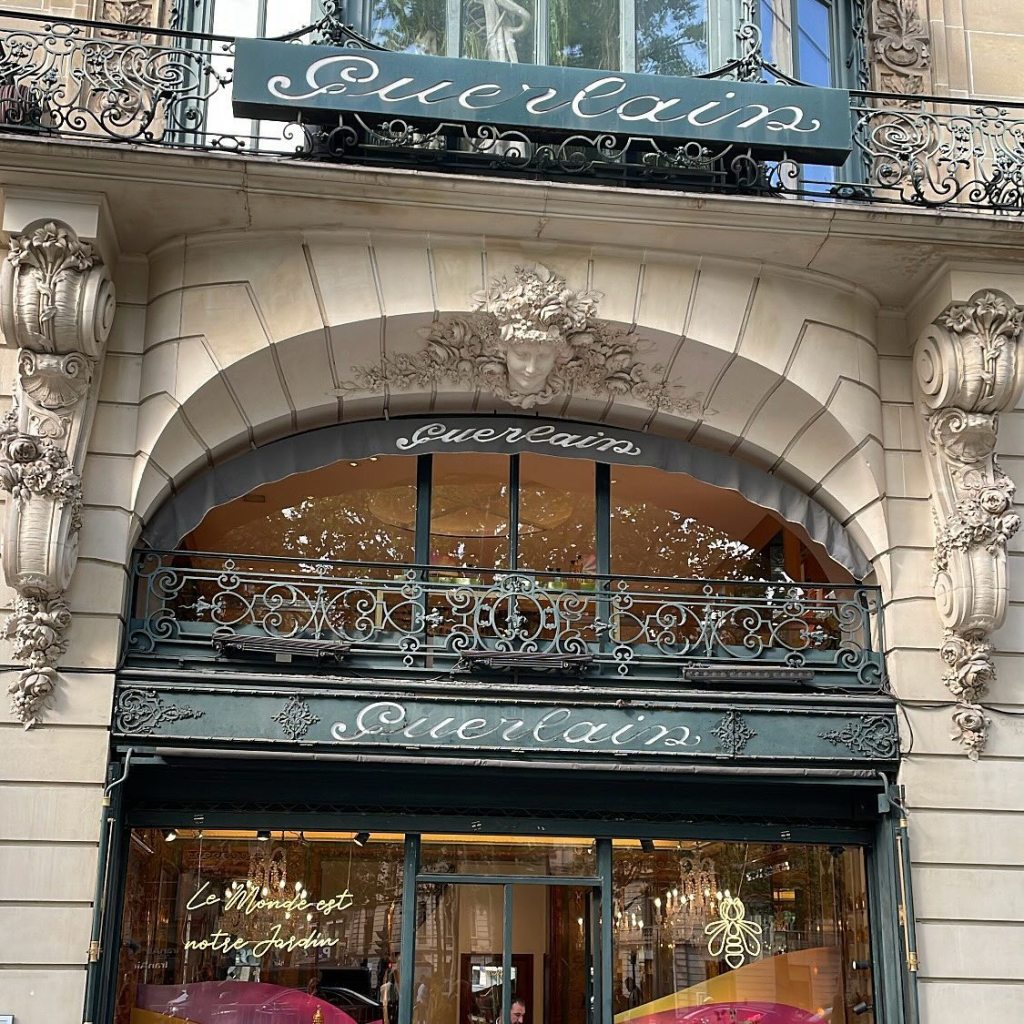
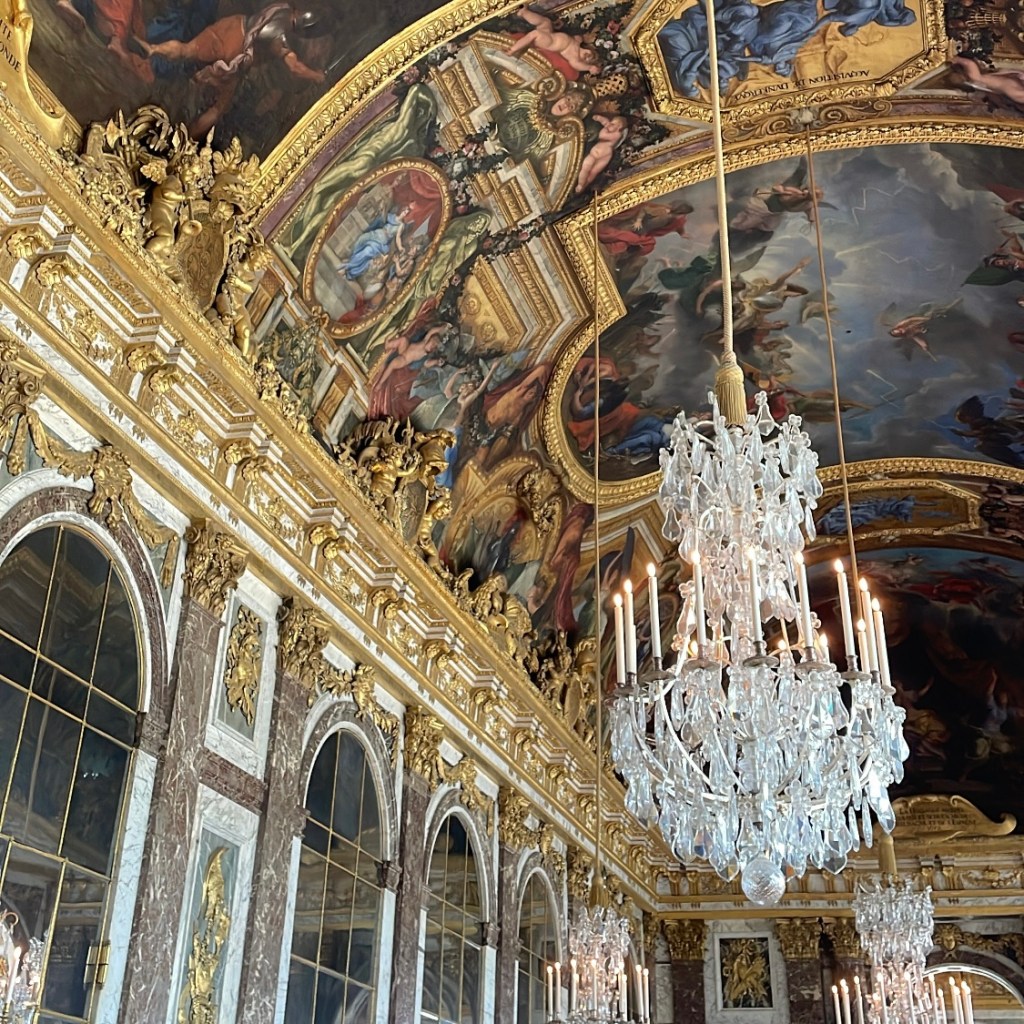
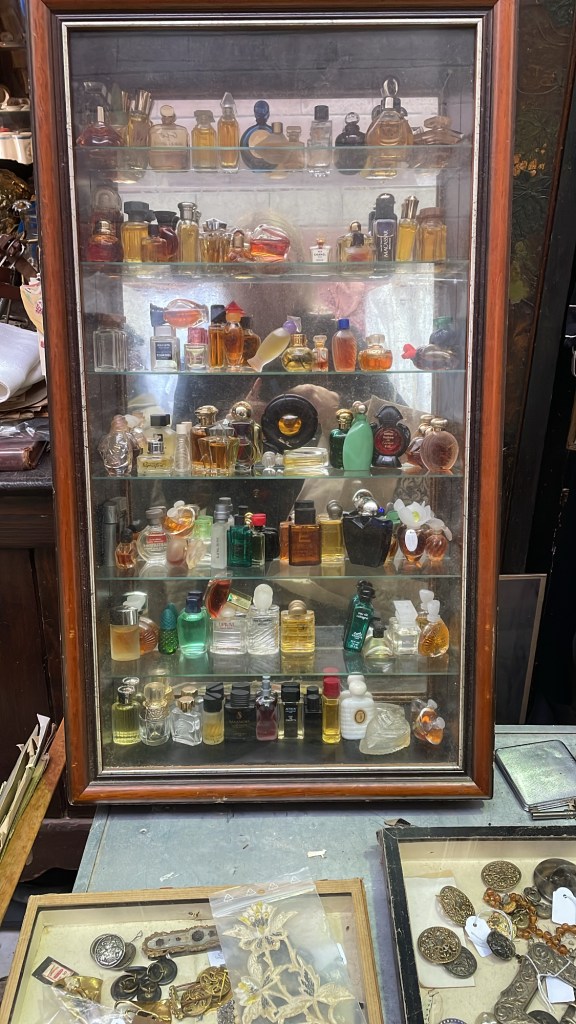
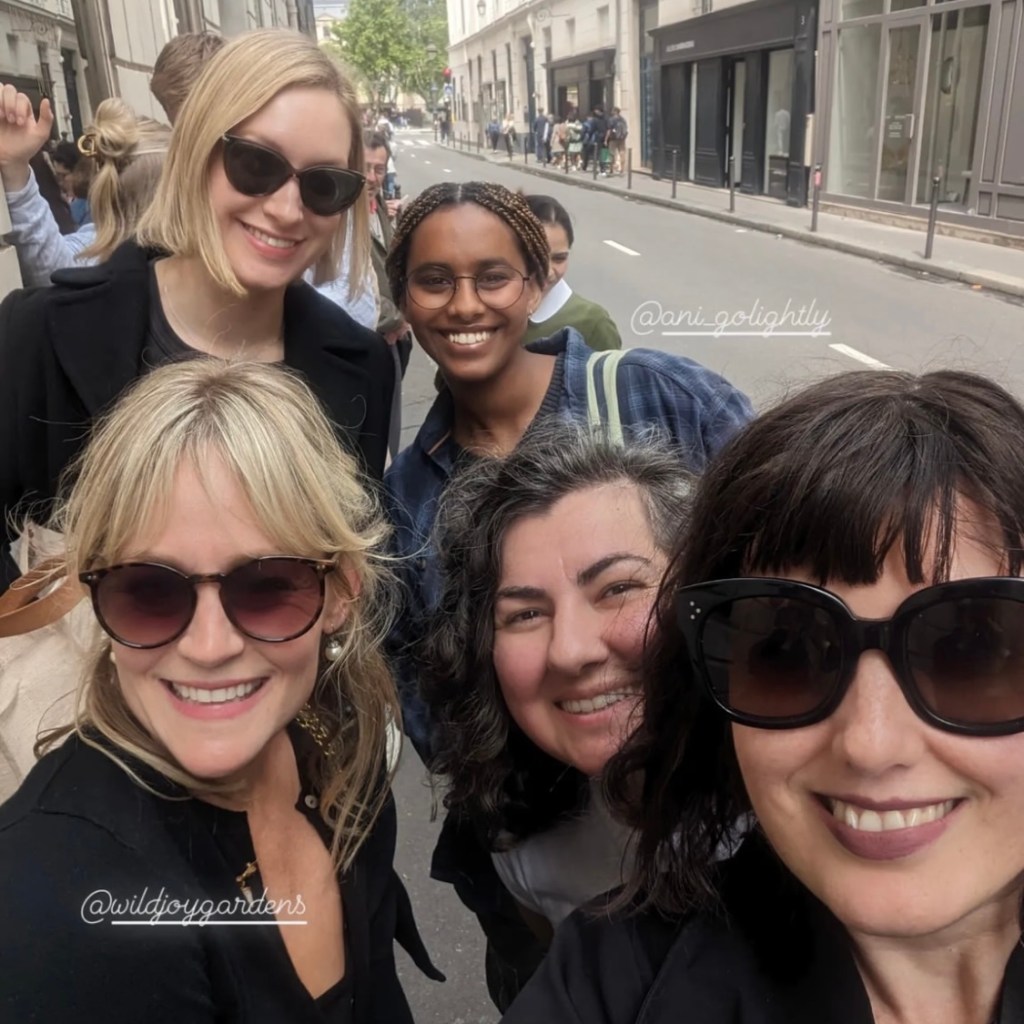
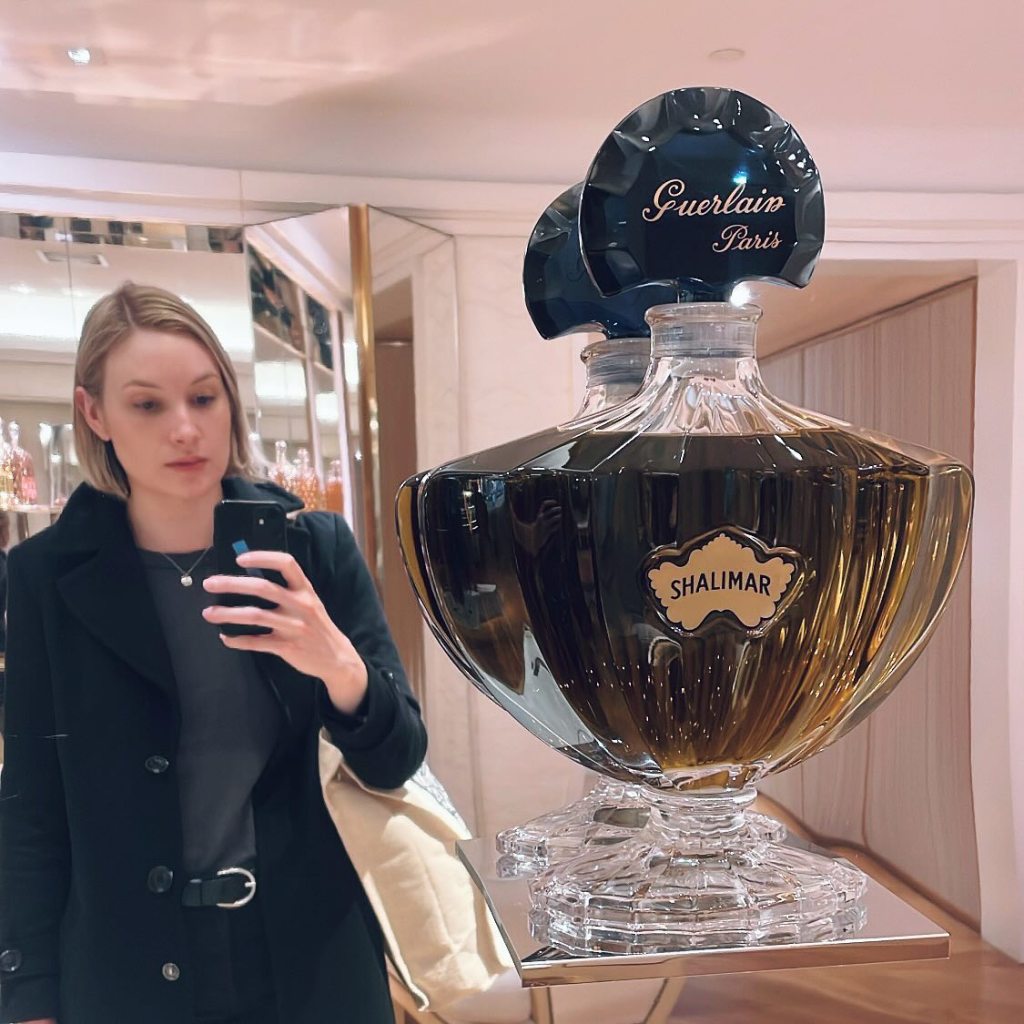
Thank you to Jen at Immortal Perfumes for an incredible week in Paris! We went to Osmotheque and got to smell classics from their archive, visited Versailles, vintage markets, Fragonard museum and workshop, plus several other perfume shops both contemporary and historic. So many smells, so many memorable moments. I’ll share more in the coming days but here are a few snapshots, including me with a giant bottle of Shalimar upstairs at Guerlain.

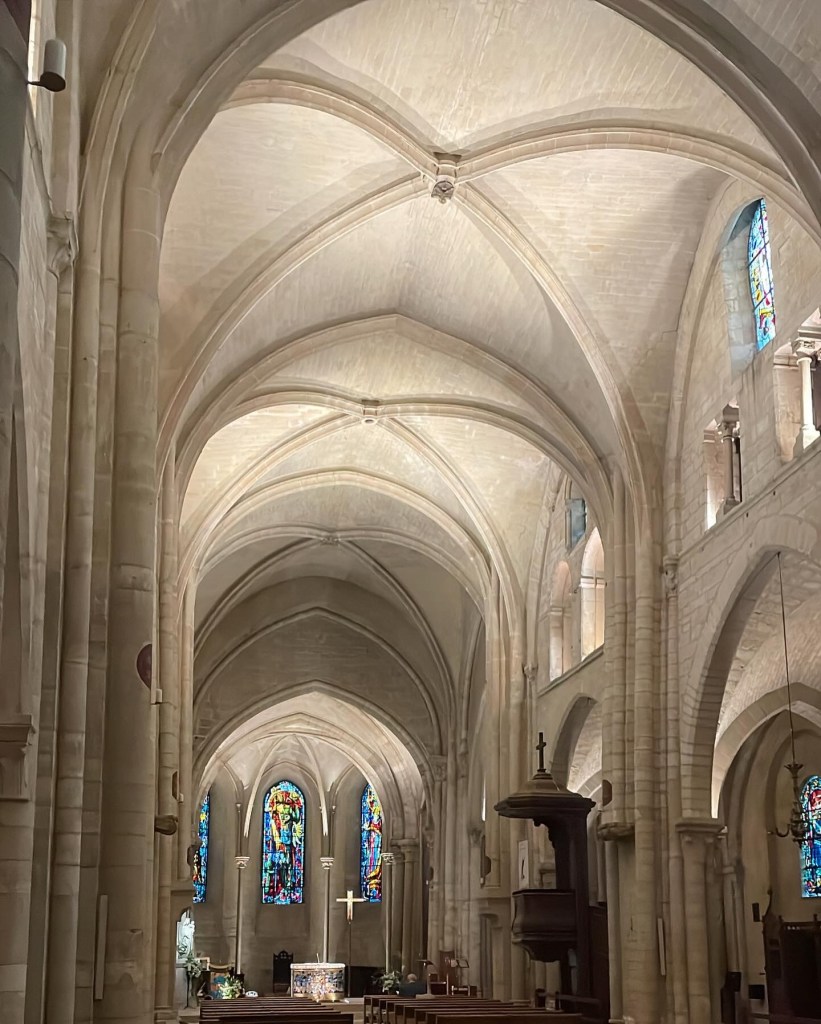
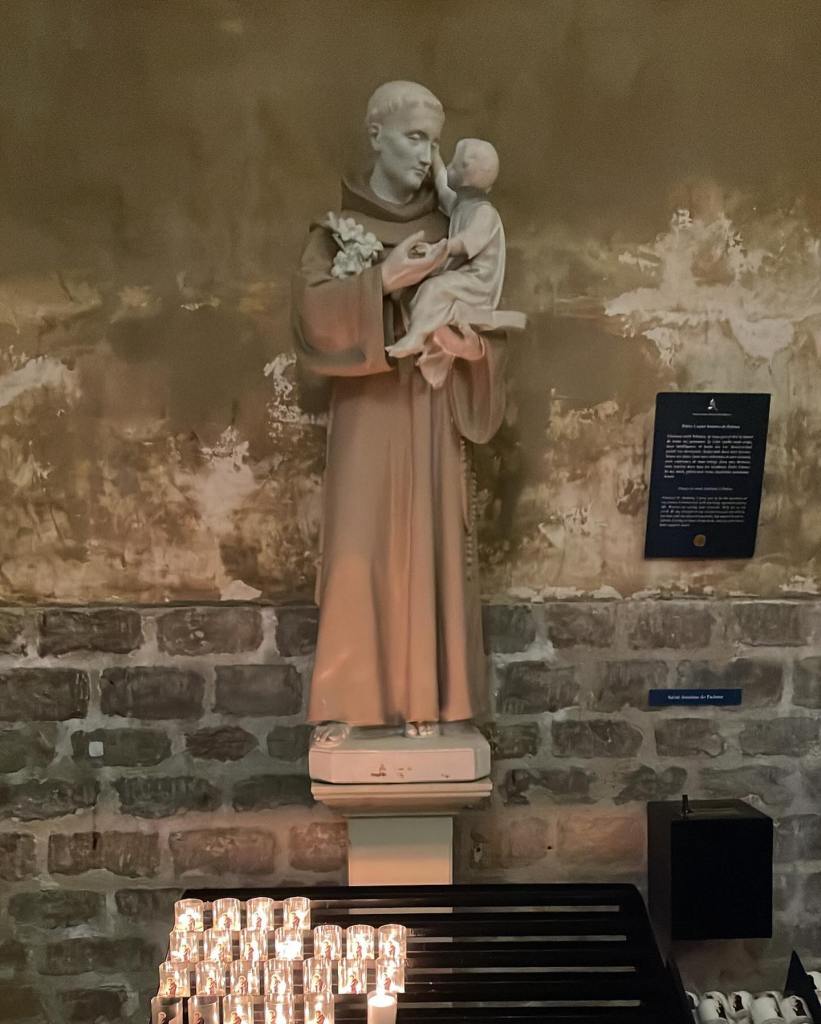
One of the best things I smelled in Paris was the scent of a church, Saint-Pierre de Montmartre. Built in the 12th century, it’s the second-oldest standing church in Paris. The smell was incense with nearly 900 years of patina — as if the stone had absorbed centuries of incense and candle smoke and prayers sent upwards, and the walls whispered their scent back into the air inside its arches, growing softer and deeper with each passing year.

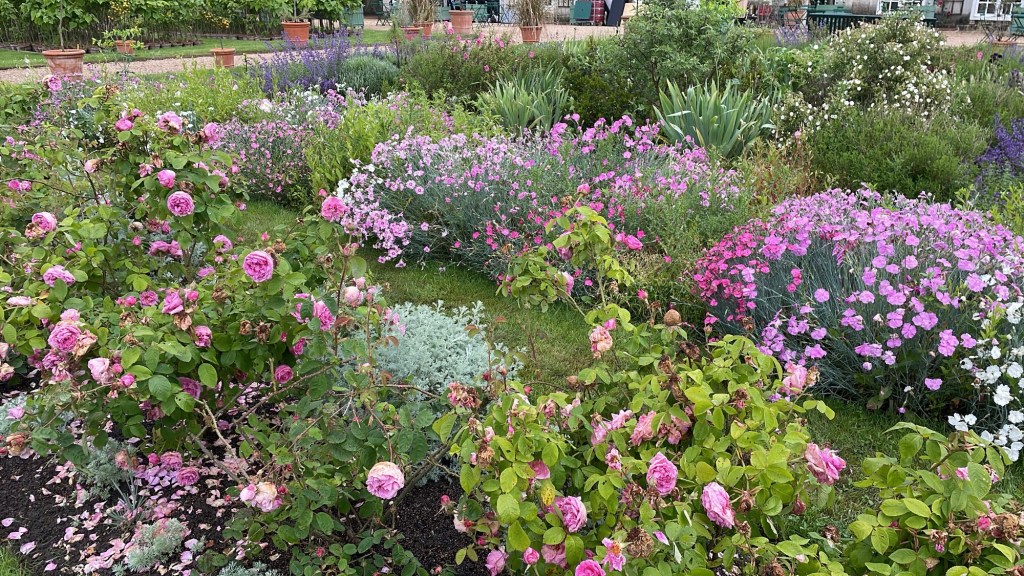
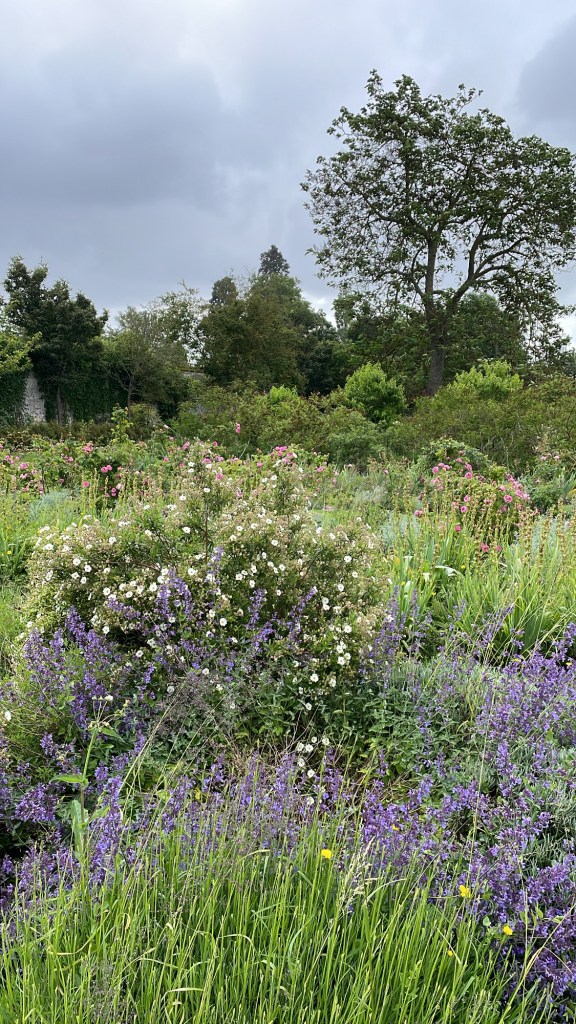
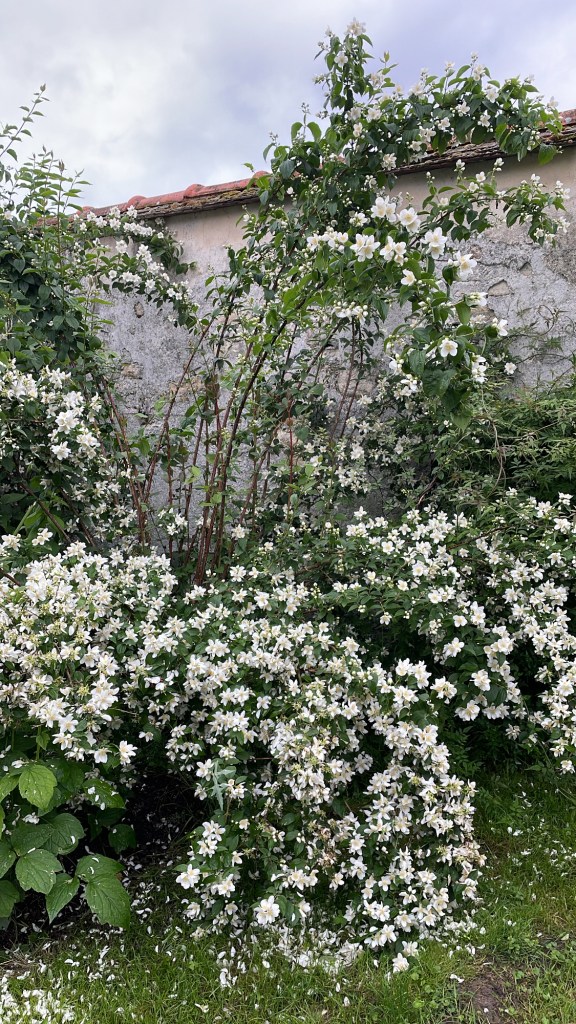
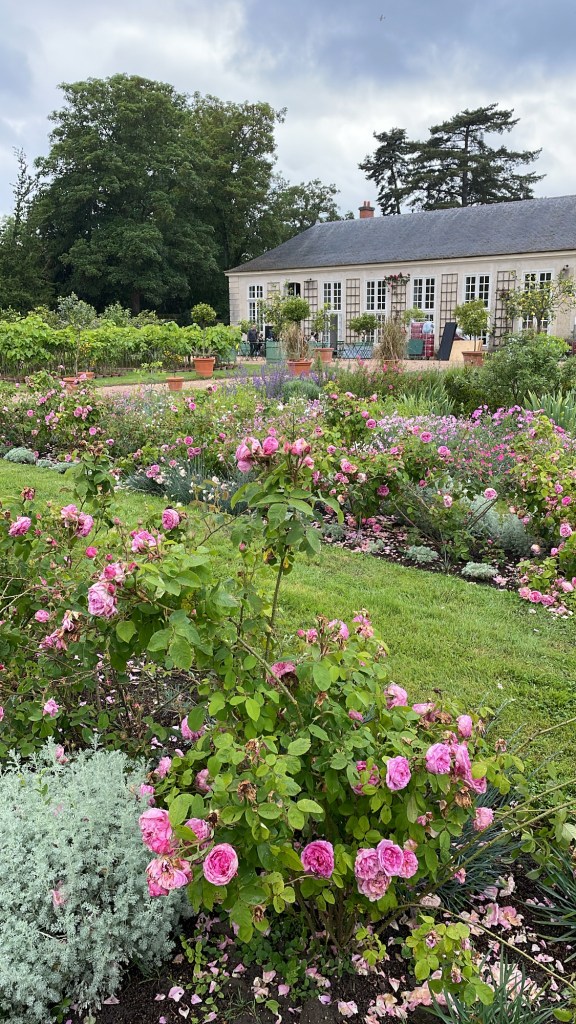
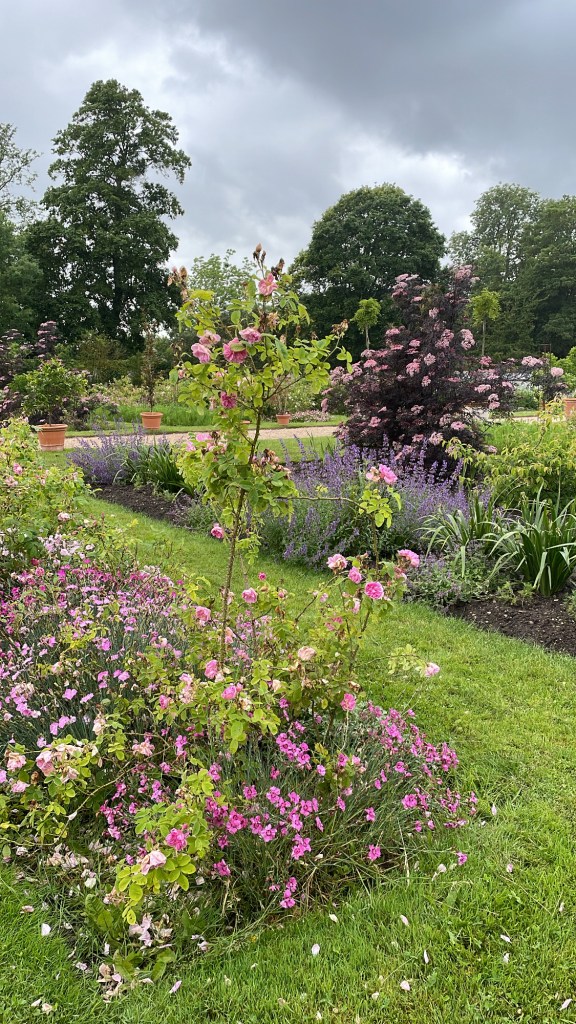
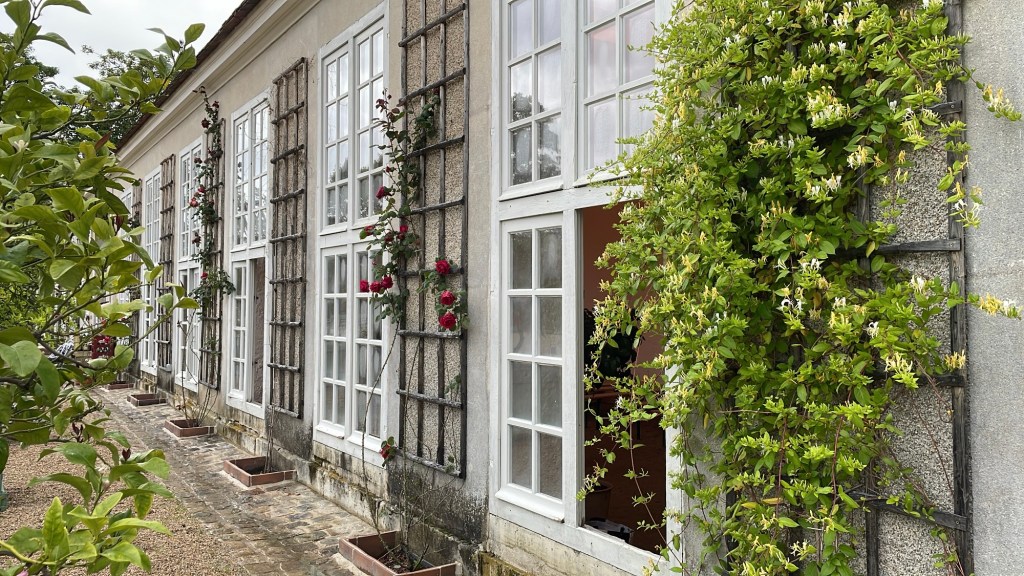
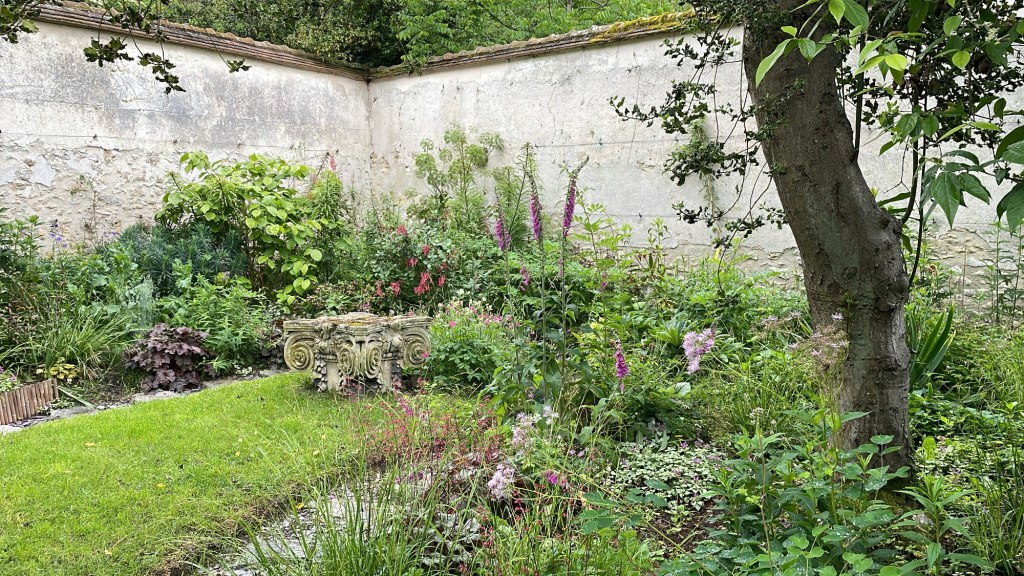
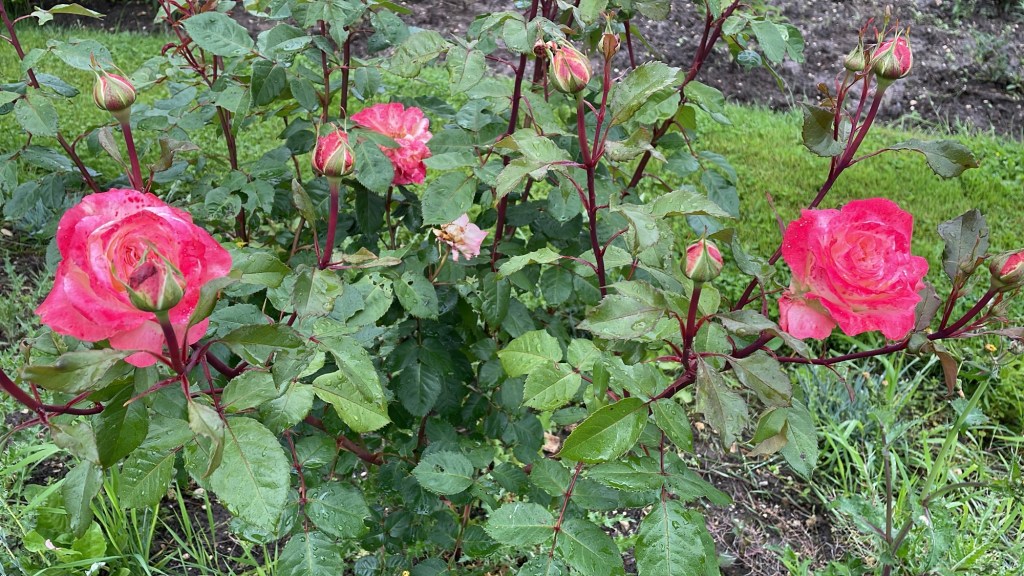
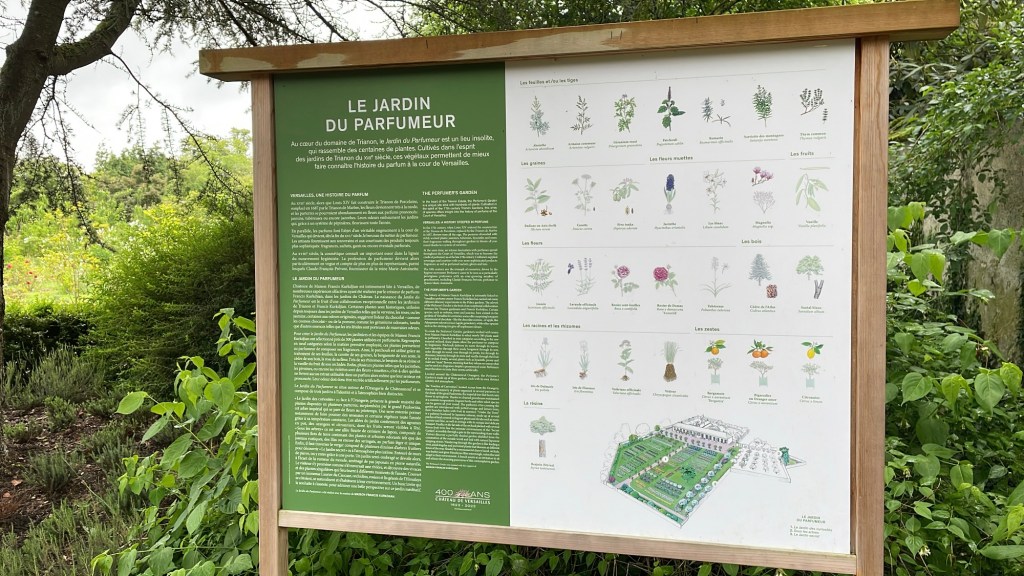
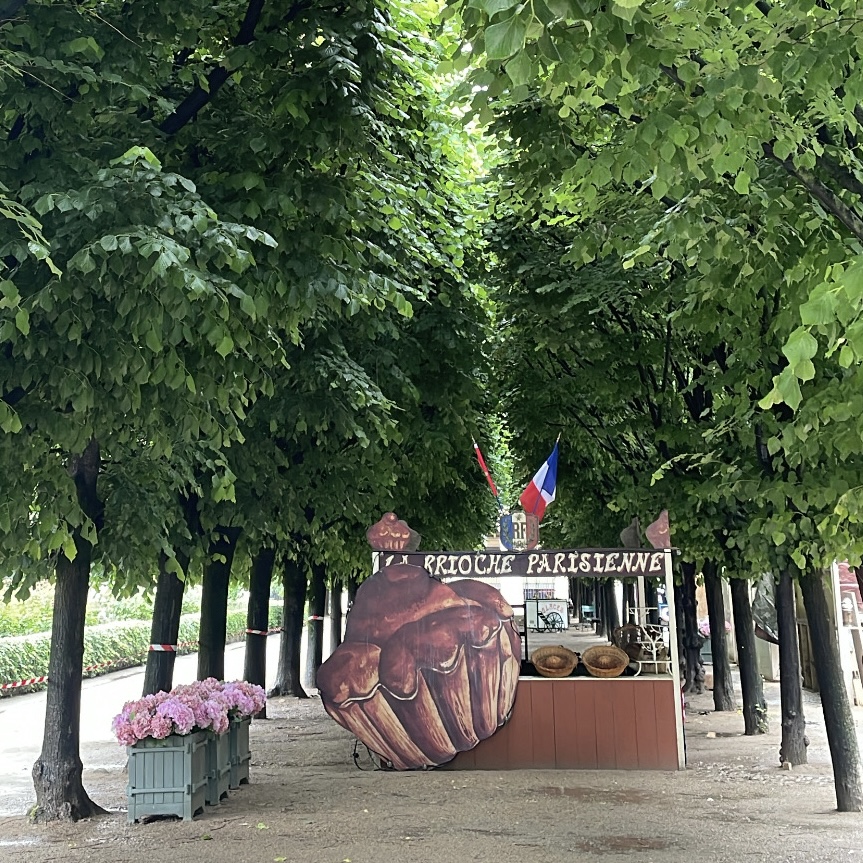
One day, after spending the morning ambling through different gardens throughout the Palace of Versailles grounds, we stumbled upon the Perfumers’ Garden. It was rainy, fragrant, and peaceful (and, it turns out, not open to the public that day — we got kicked out later, but not before enjoying the plants and flowers).

Candle Creator: Noire Essentials

I recently had the joy of collaborating with Noire Essentials to refine the written scent descriptions for their candles—which meant I got to spend time burning each candle, getting to know the fragrances, and noting the way each scent reflects their creative vision. I love the way Noire Essentials’ scent storytelling fosters a feeling of connectedness to my home and feeling centered and present in the moment. Lighting a candle sets an intention and elevates my mood.

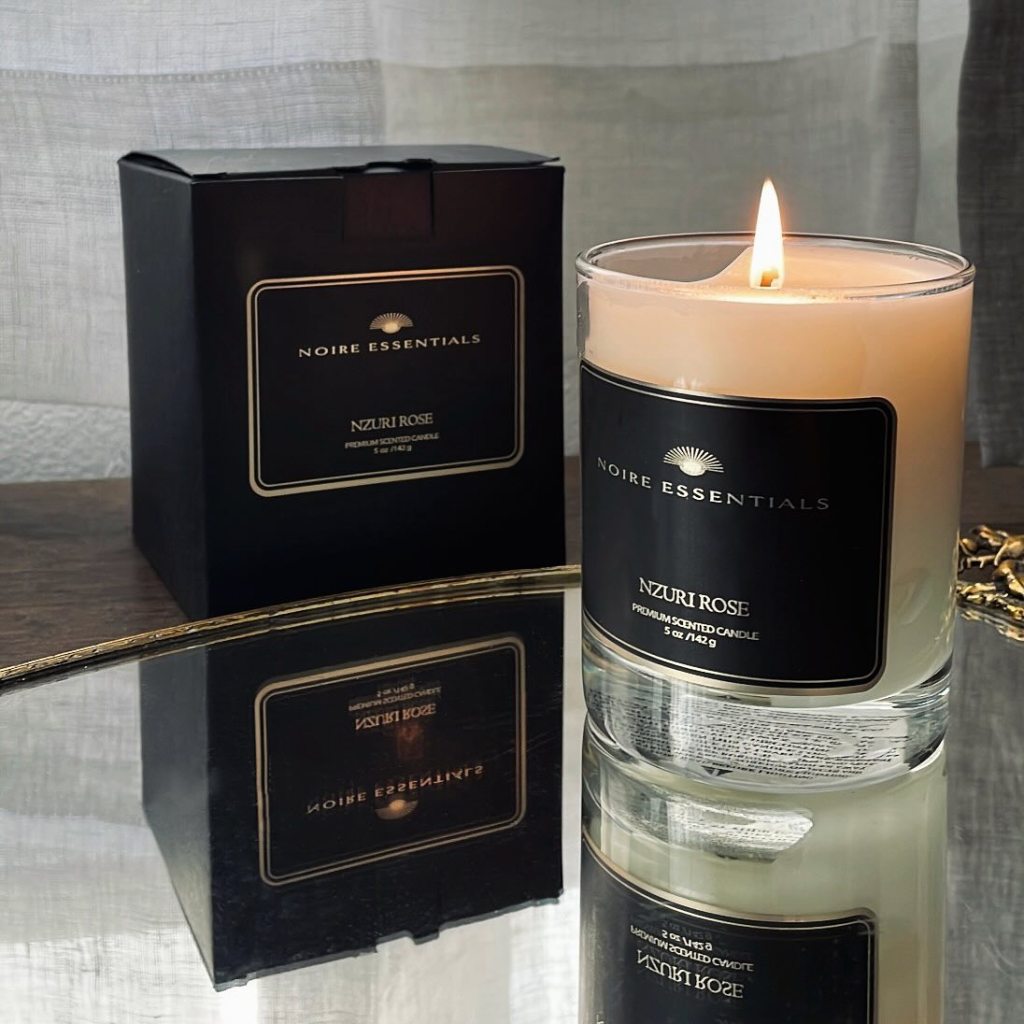
lit candle in a glass votive sitting on a mirrored tray with the candle box beside it. The label says Noire Essentials, Nzuri Rose

My favorites are:
Nzuri Rose, a warm and inviting fruity-floral that makes me think of a beautiful woman with poise, confidence, and an air of mystery. My husband and I burned this candle during a date night dinner at home, and it helped create a perfect romantic atmosphere.

Sweet Taboo makes me feel grounded, with its earthy notes of oud, cedar, and patchouli, along with uplifting citrus and serene lavender, violet, and frankincense. This scent reminds me of autumn, of feeling cozy and warm while the weather around me is cool and crisp.

Sixty-Seventh Place smells like the perfect PNW retreat: coastal driftwood and seaweed, soothing lavender, and tendrils of incense smoke. A moment of quiet in fragrance form.

Noire Essentials’ founder, Chasidy Dey, shares this beautiful quote from her grandfather, something he said when she was nine and they were relying on candle light after losing power during Hurricane Alicia—sparking her life-long love of candles: “Never be afraid to sit in the dark as long as you have a little light.”

Perfume Note: Vanilla

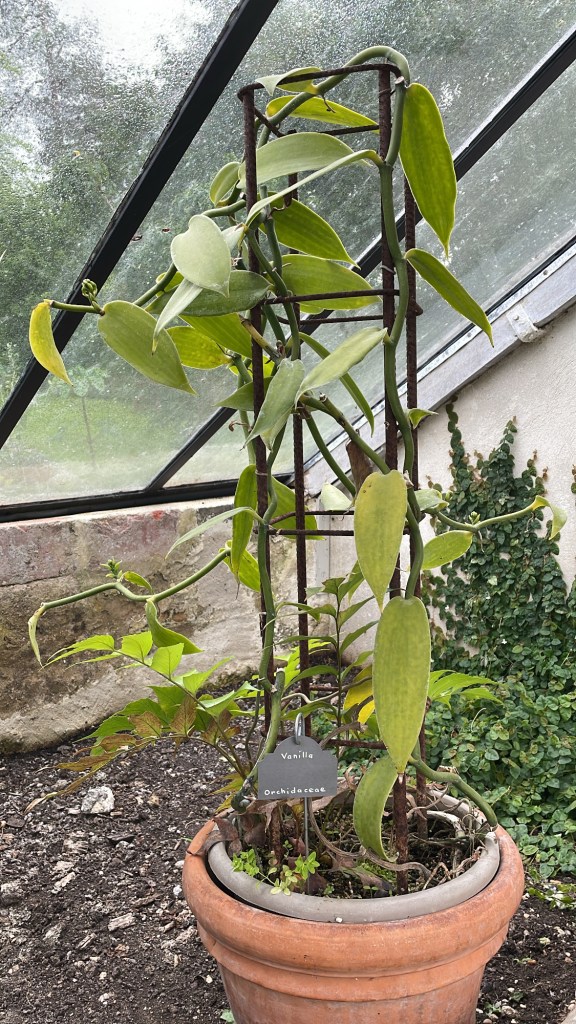
Vanilla: the foundational gourmand note. The characteristic volatile molecule of vanilla is vanillin, which is often used on its own to inexpensively impart a vanilla note. Vanillin is also present in other materials such as benzoin resin, wheat, and oak wood (especially after it has been heat-treated to barrel spirits like whiskey).

Vanillin is distinctively sweet and creamy, and vanilla can have aspects that are fruity, floral, smoky, medicinal, almondy, anisic, caramellic, animalic or leathery.

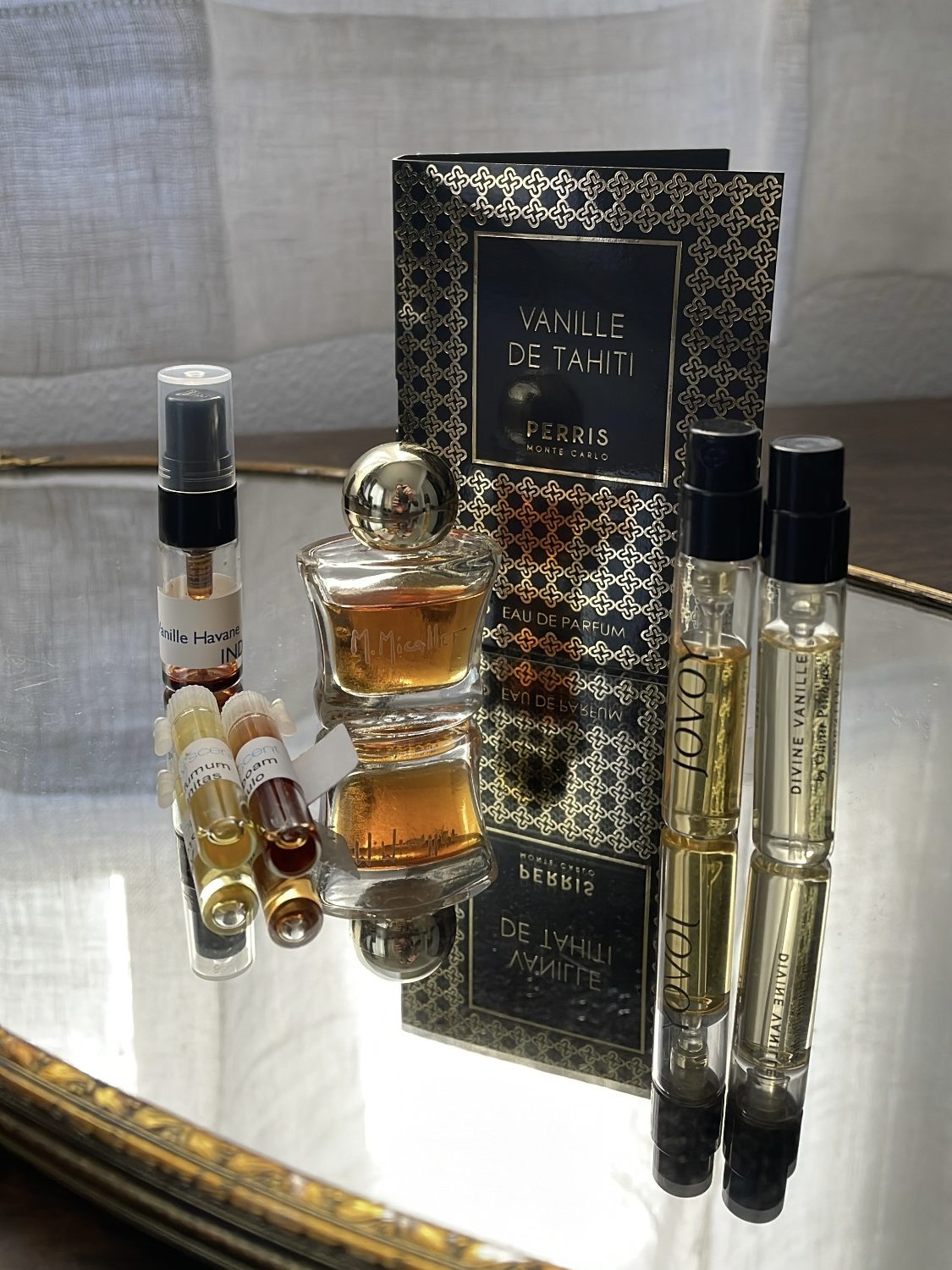
M. Micallef Note Vanillee walks the line between vanilla’s light and dark sides: honey-floral jasmine notes, boozy cognac, juicy mandarin, and a hint of anise. Inviting and mischievous.

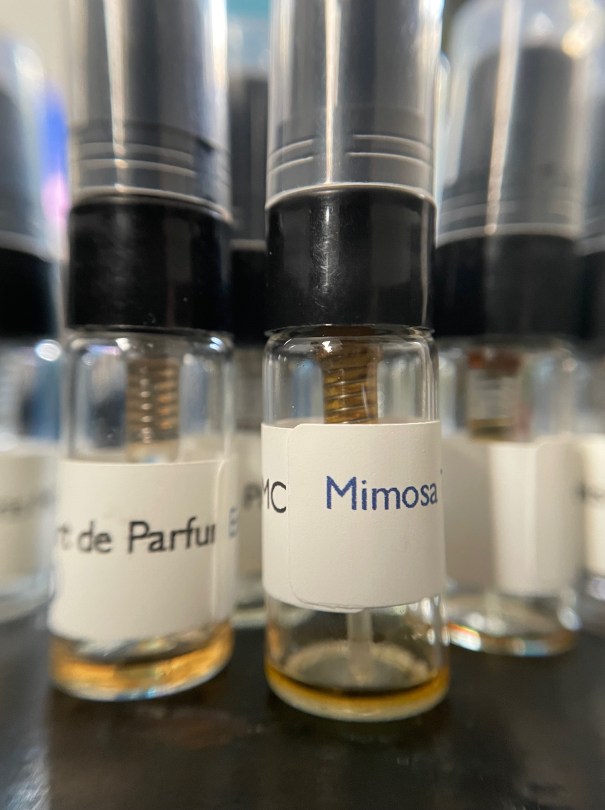
Jovoy Fire at Will is a delicious brown sugar vanilla. Mimosa lightens with a slight powderiness, for a scent that is playful and seductive.

Perris Monte Carlo Vanille de Tahiti’s vanilla is rich and almondy. Ylang ylang and champaca bring a ripe fruity-floral character, and sandalwood adds to vanilla’s creaminess and depth.

Les Indemodables Vanille Havane focuses on vanilla’s dark side: notes of leather, rum, tobacco, spices, dried fruits, and even cocoa. Still absolutely a gourmand, and very much centered around vanilla, but in an unusually rich way.

 Jeroboam Insulo uses clean musk notes and airy jasmine to render this vanilla sheer, a “skin scent” vanilla.

Profumum Roma Vanitas is sugary sweet. Delicate orange blossom and soft myrrh keep this vanilla from becoming overly candied or childish, yet it’s still as delightful as a marshmallow.

Essential Parfums Divine Vanille is the perfume that I always want “wood vanilla” or “incense vanilla” scents to be. Every note blends with and modifies the other notes, for an overall effect like a smooth color ombre. Tonka softens vanilla, becoming like suede with osmanthus. Cinnamon bark’s spice brings out subtle fruit notes, and locks in with the woodiness of cedar, patchouli, and clary sage. Benzoin bridges these notes back into the central vanilla and brings out their incense aspects. A hint of black pepper adds earthy, bitter balance to vanilla’s sweetness, and silky-sheer musks smooth over it all.

Perfume Edit: The Horse Stable

Parfum d’Empire Ruade is the perfect balance of an authentically equestrian scent with wearability and sophistication. Oud and leather are supported by hay and narcissus, for a scent that is just the right amount of animalic.

Sarah Baker Bascule is the horsiest of this bunch. Imagine nuzzling your nose into a fresh peach, inhaling the fuzzy ripe scent – now replace the peach with a horse’s coat. The earthy, leathery barnyard hay is softened and lightened with the scent of the sun-ripened fruit.

With Naomi Goodsir Corpus Equus, we’re in a horse stable, but it’s the set of a fashion editorial. The leathery patina is there, along with a smoke-and-ash facet. Settled quietly underneath is something cool and soft, like rosewater, that keeps the animalic notes from overpowering. This is not so much the scent of a horse stable or an open field, but rather the scent of an enigmatic person who moves through those spaces and has an understated yet distinctive style all her own.

Francesca Bianchi The Black Knight is an epic tale of medieval knights camped before battle: the leather of horse tacks, the smoke of campfires wafting over wild flora. The heart of this perfume is a waxy, powdery rose.

Parfumerie Generale Arabian Horse paints a scene: an early morning, cool mist lingering over the dewy, sweet grass of the open countryside. You can smell the suede-like warmth of the horse under you and the freshly-turned earth under its hooves.

Andy Tauer Lonestar Memories evokes a cowboy atmosphere. Its clary sage and geranium are herby and green, while carrot seed is earthy and warm. Cedar, vetiver, and birch tar bring woody, grassy, and smoky notes to this dry, resinous perfume.

Photo by Oleksii Piekhov via unsplash