Fragonard’s Musee du Parfum

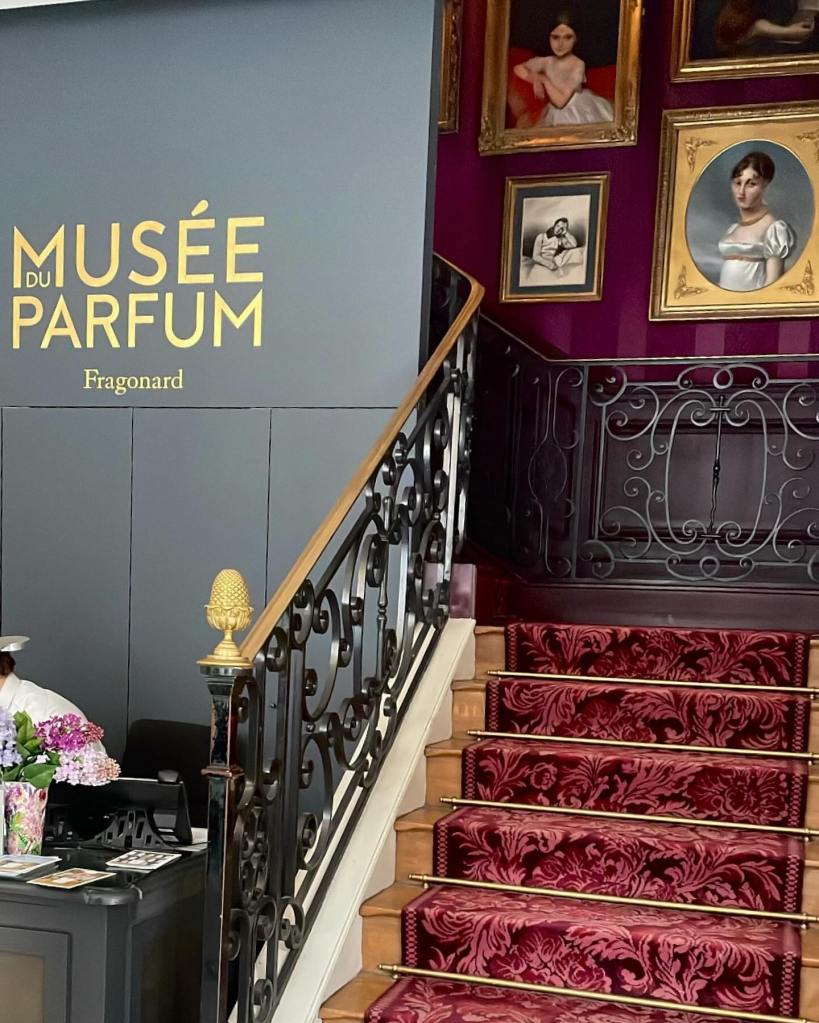
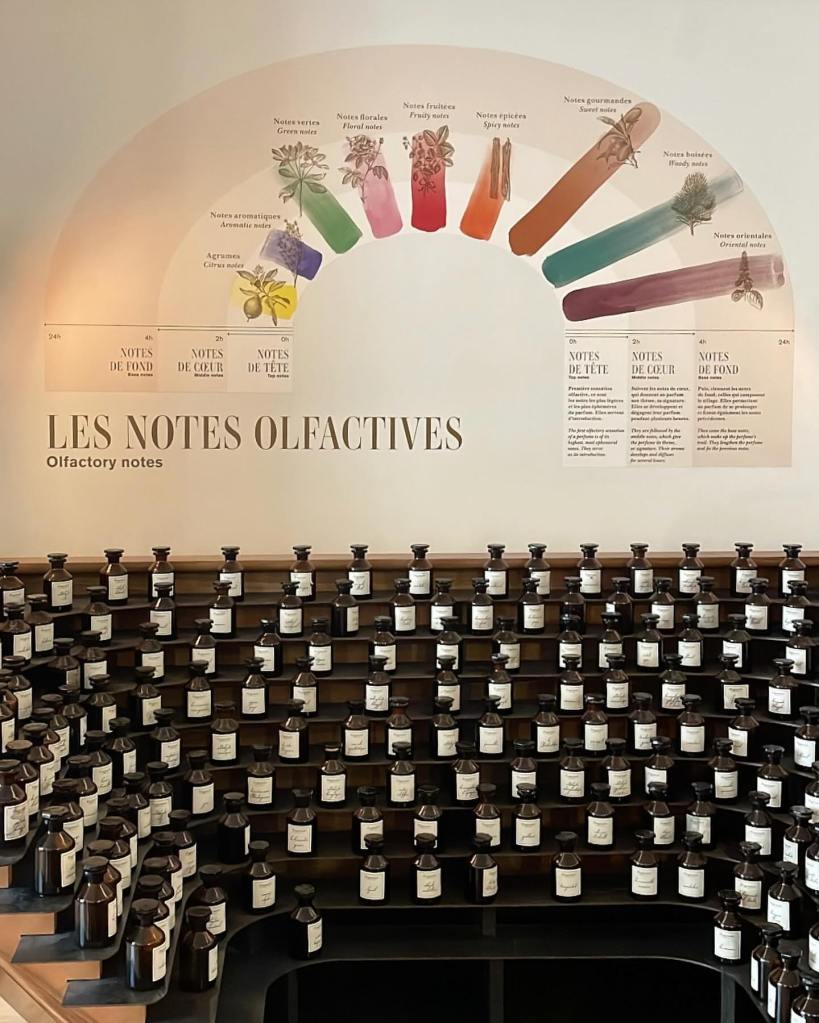
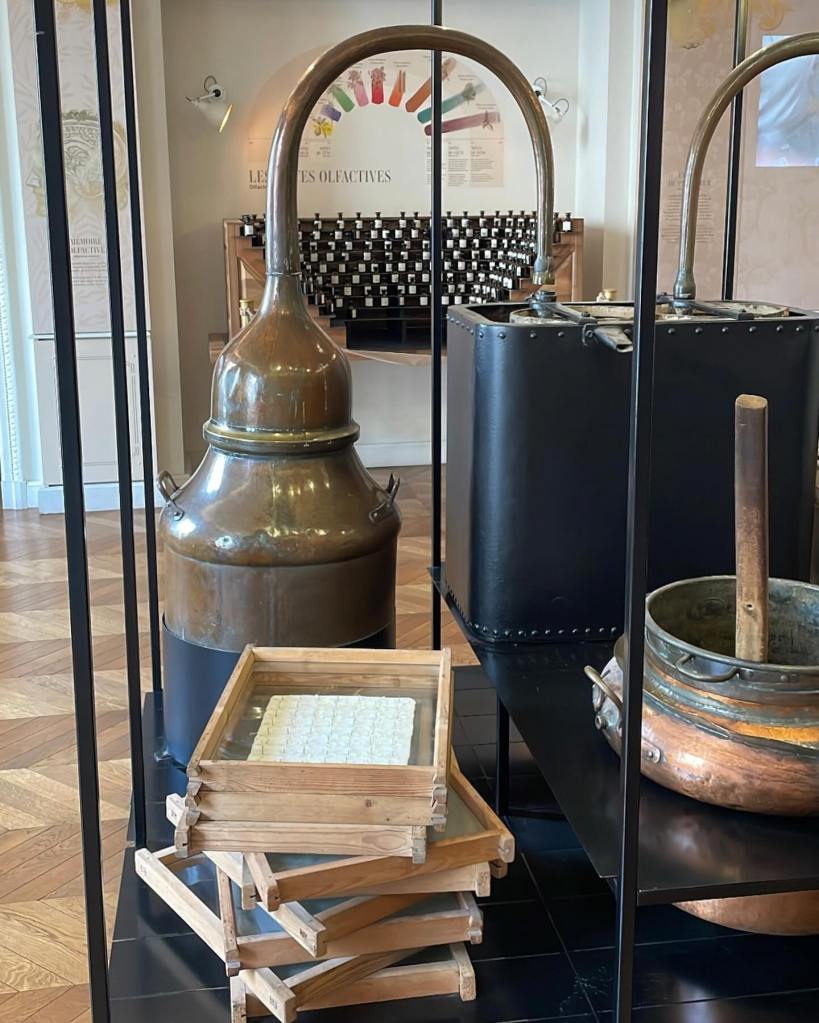
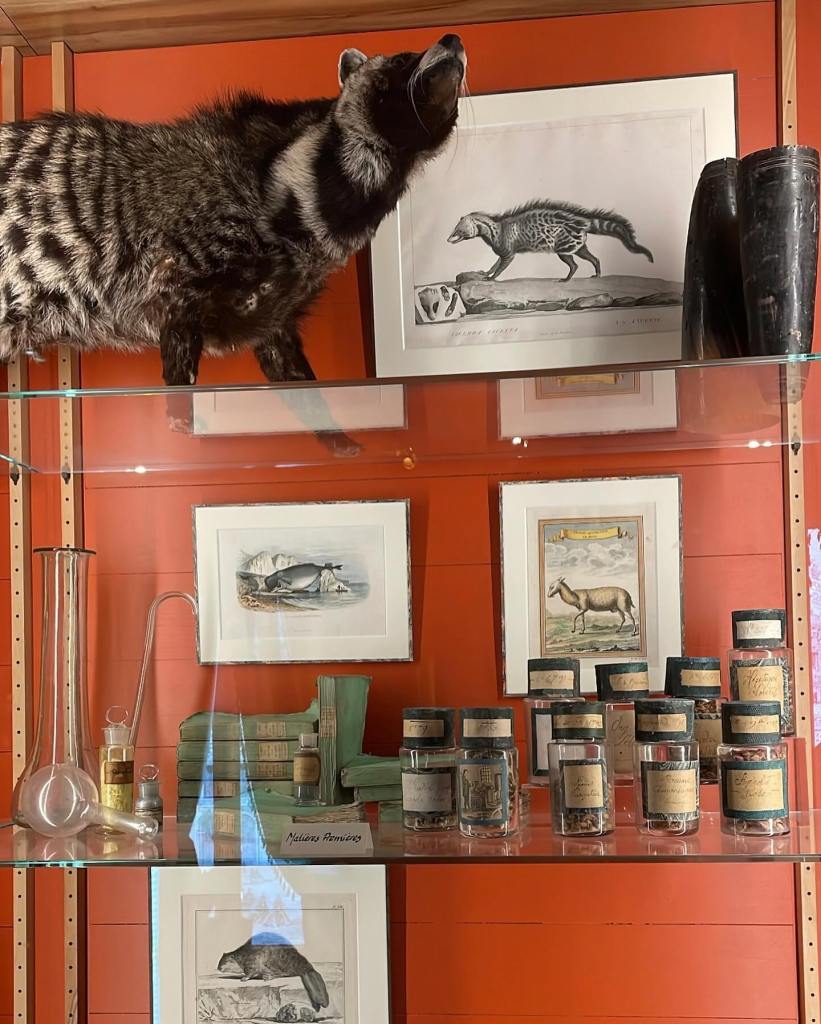
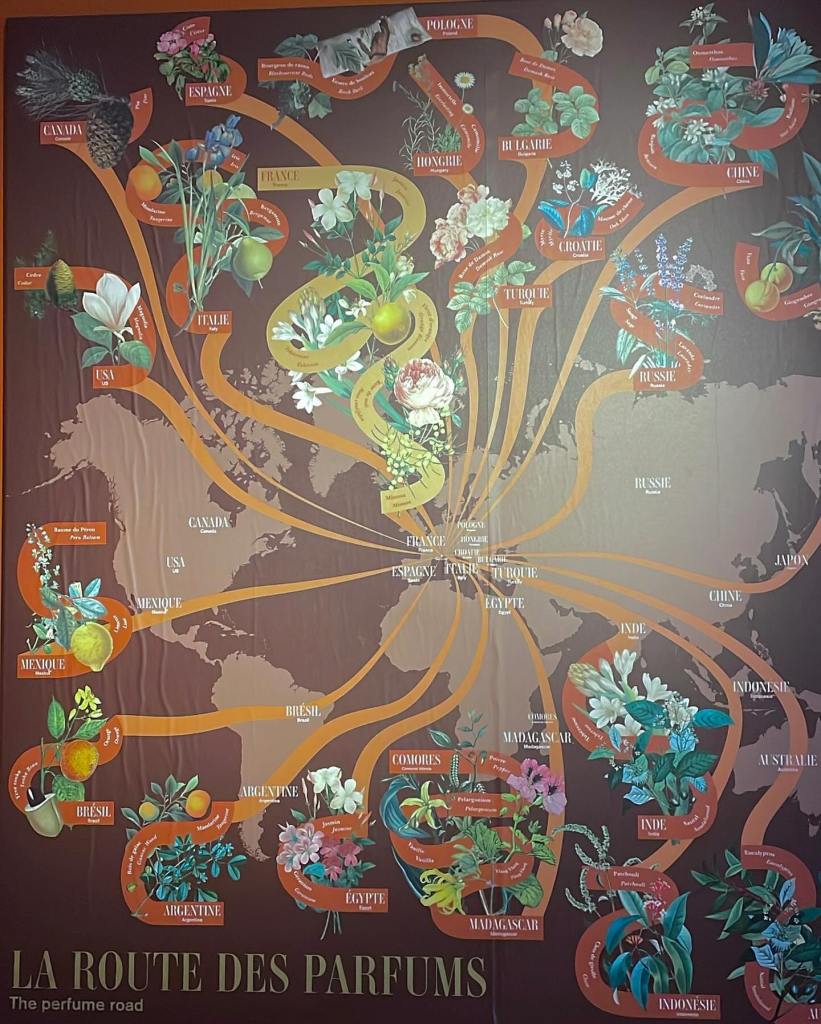
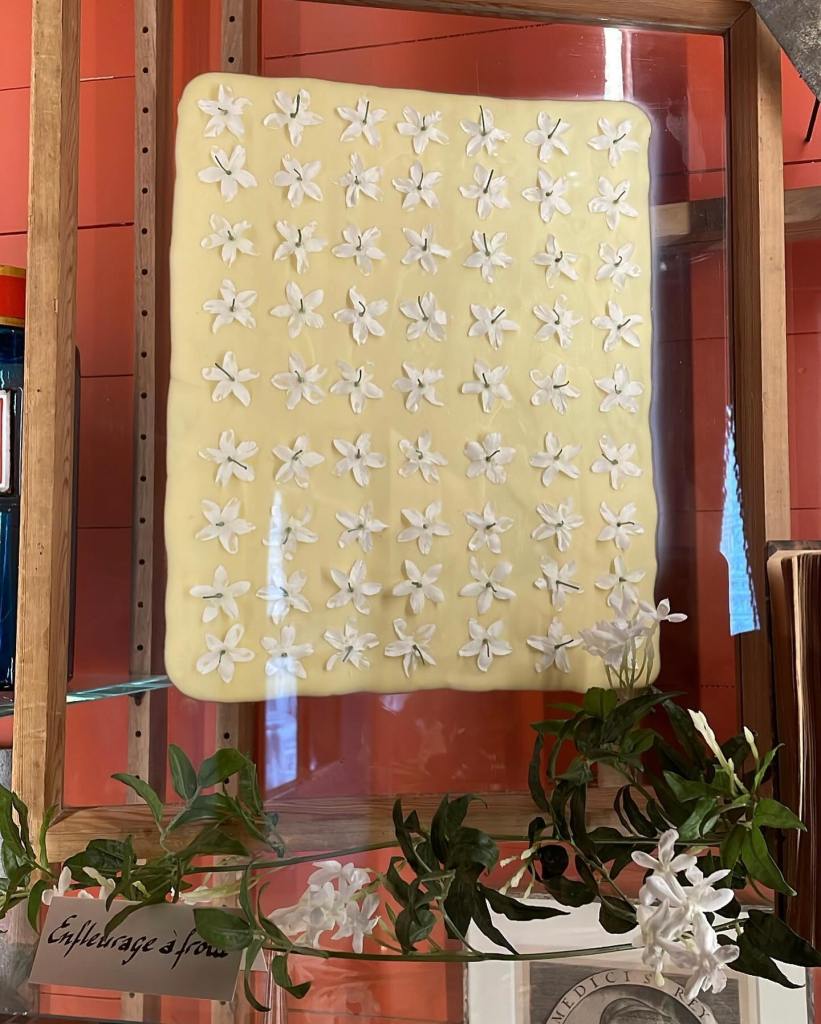
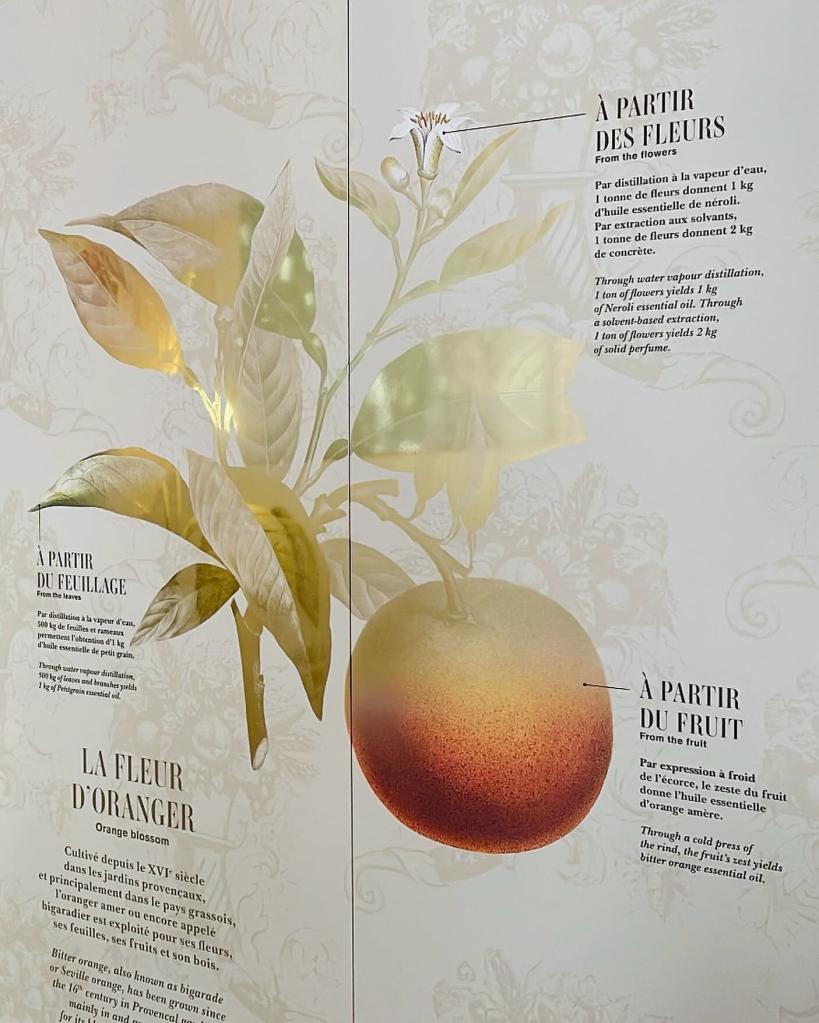
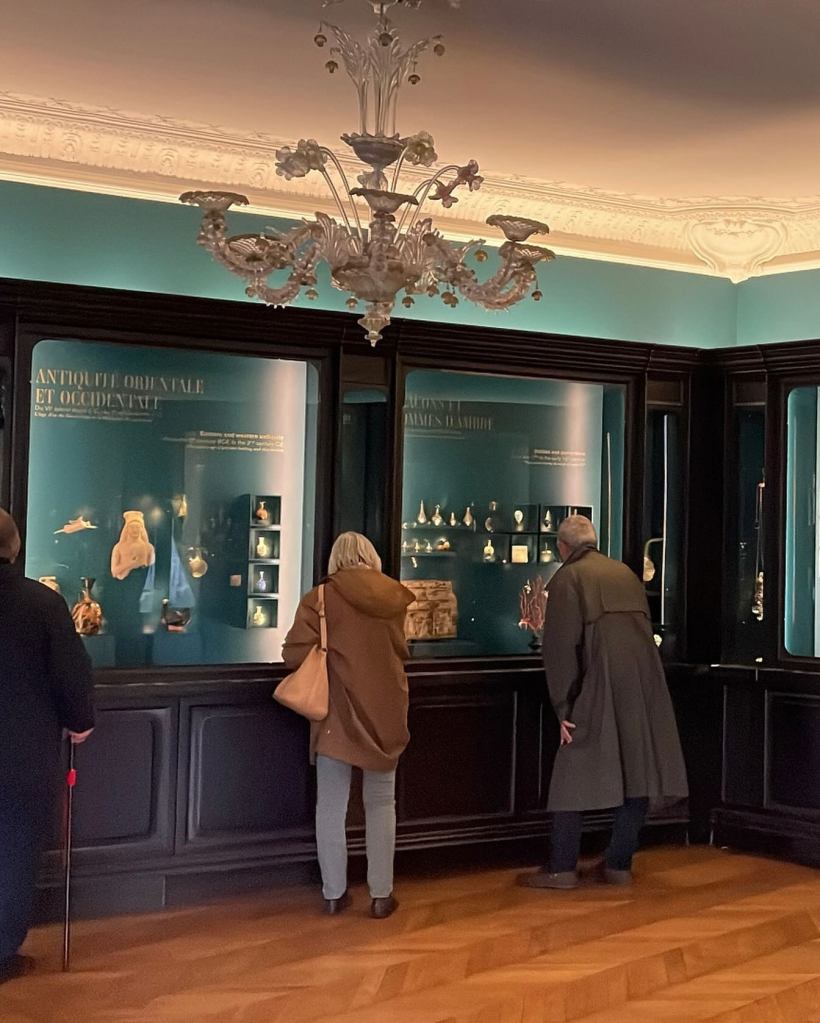
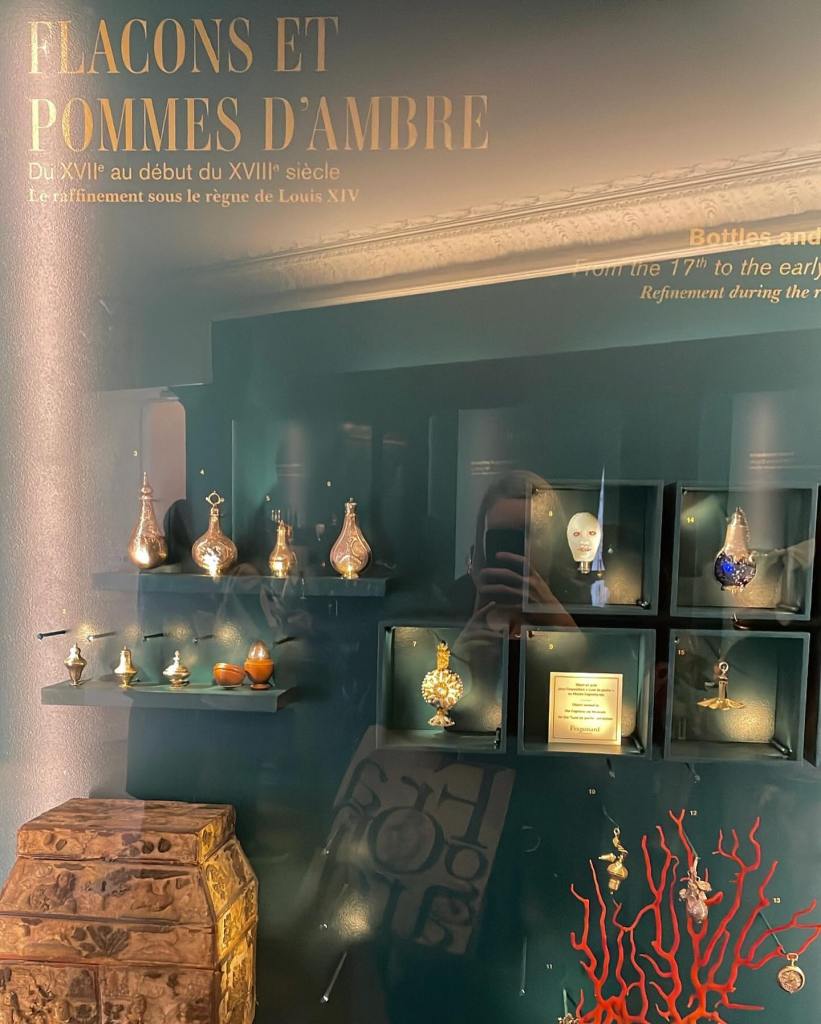
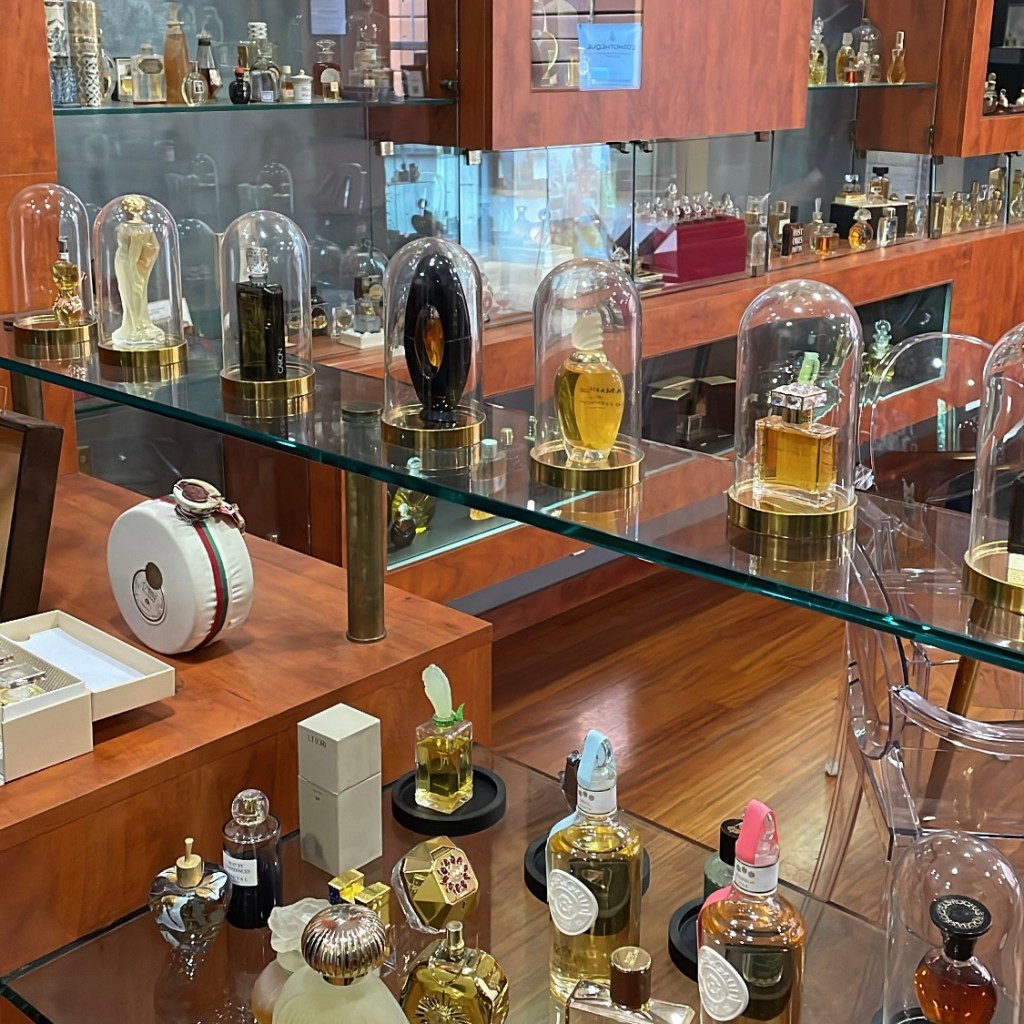
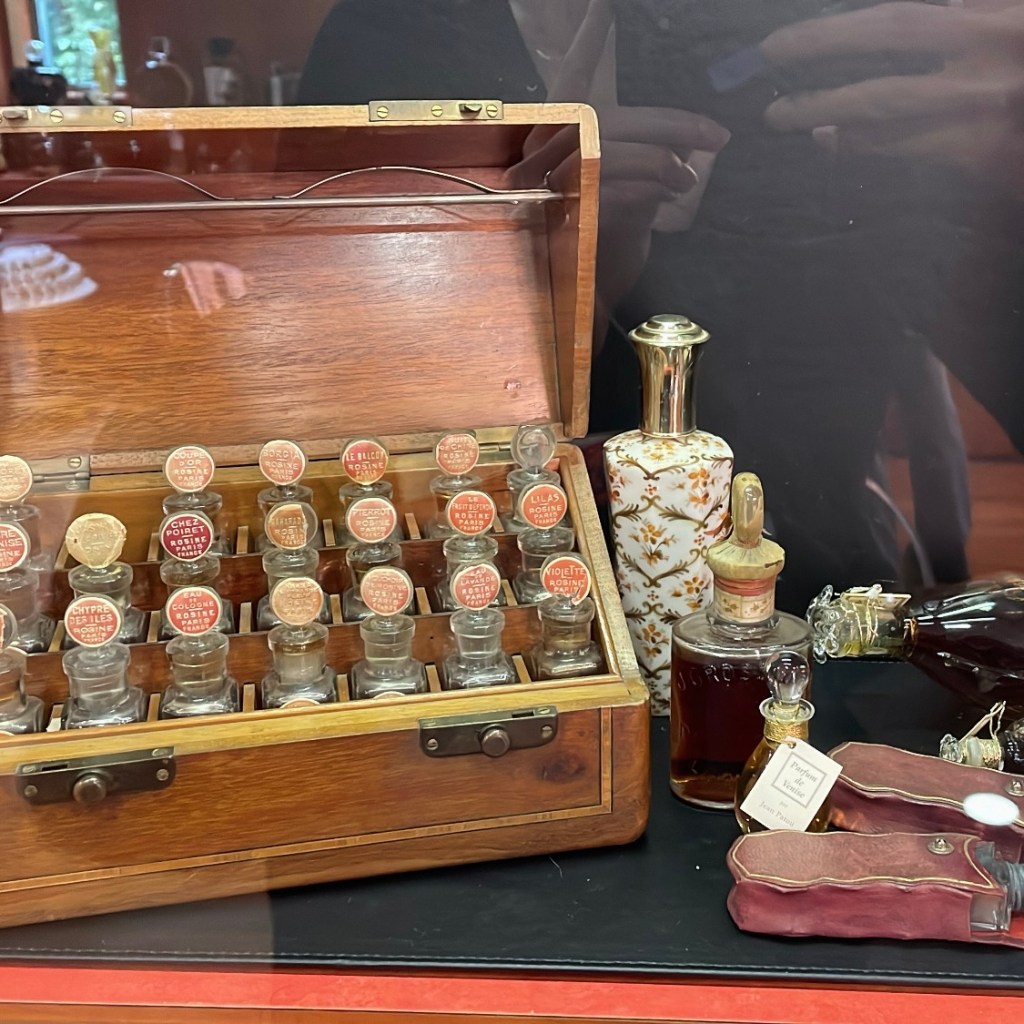
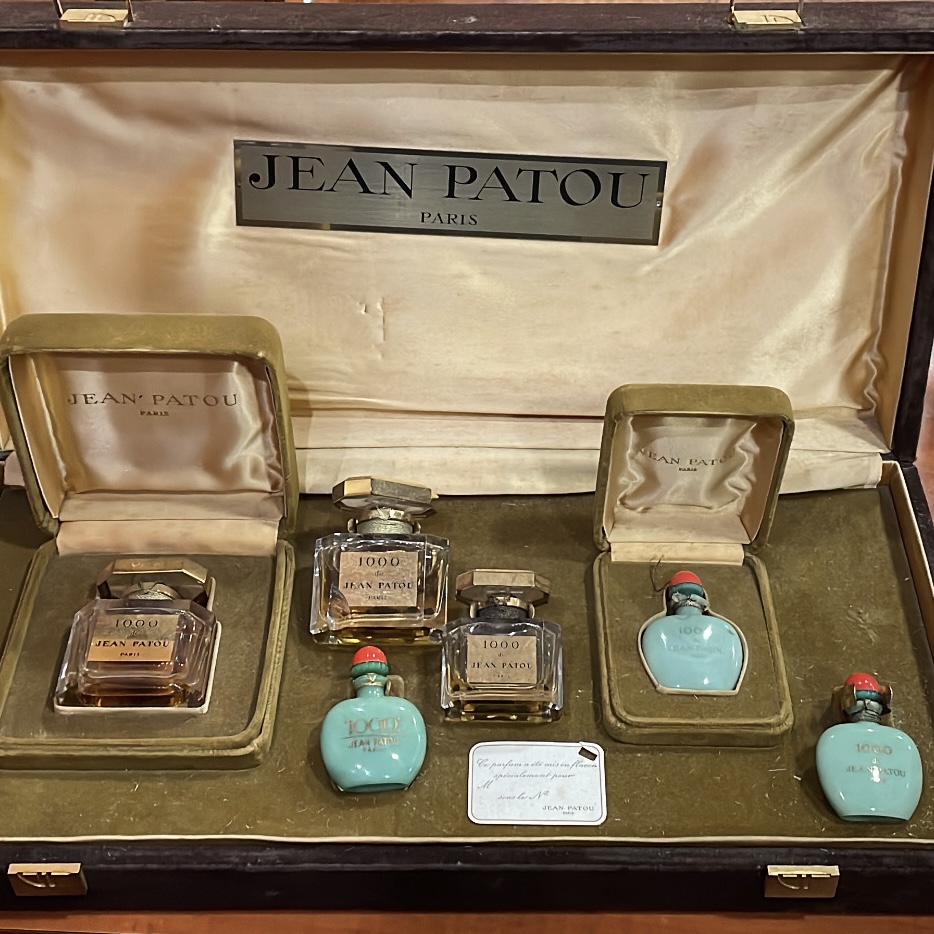
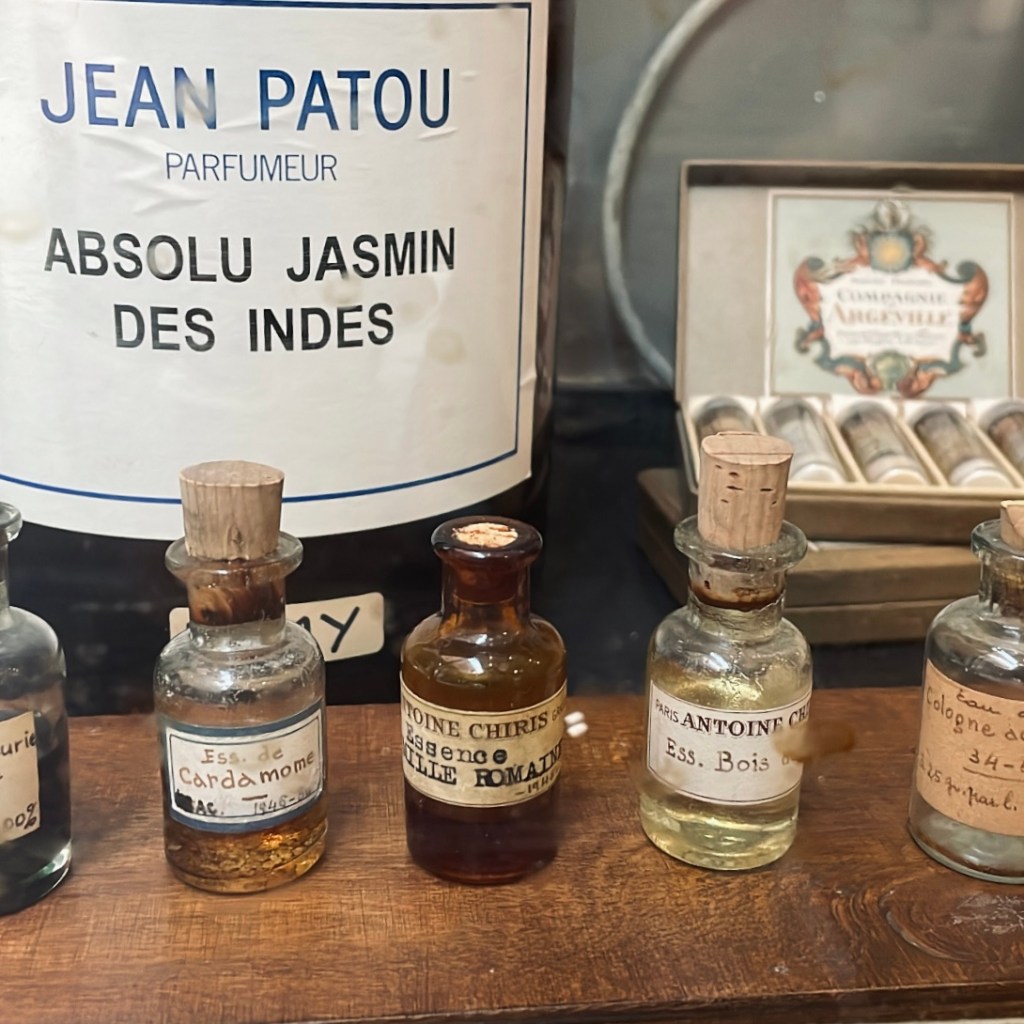
Fragonard’s Musée du Parfum: a lovely little museum just across the street from L’Opera Garnier. It’s free to visit, if you’re ever in Paris. They have a few rooms of exhibits showing historical methods of extracting raw materials and making perfume, along with a collection of antique bottles from past centuries.

Our group also enjoyed a private perfume-blending workshop where we made our own Eau de cologne (a traditional scent based around citrus which generally also contains orange blossom, neroli, and/or petitgrain, and herbs such as rosemary and lavender).

L’Osmotheque

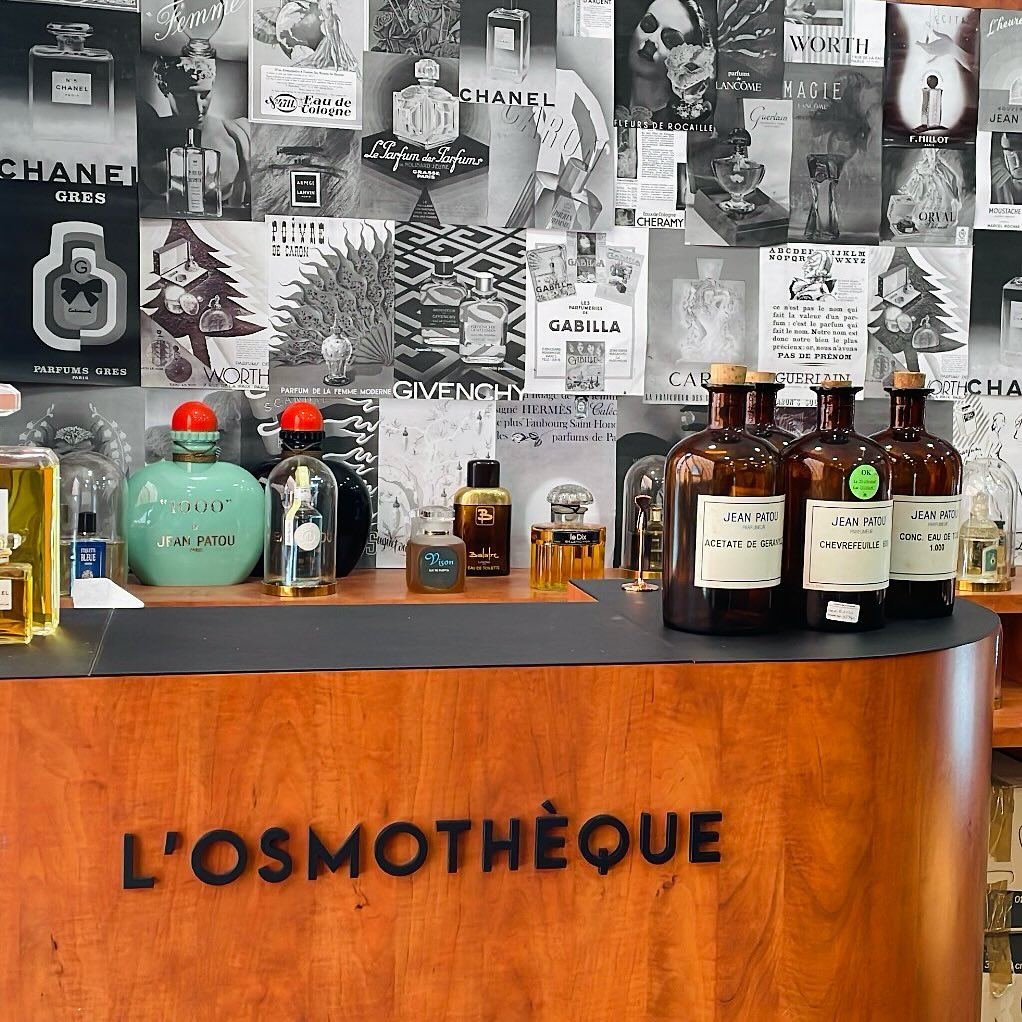
Visiting Osmotheque, the world’s only perfume archive, was a dream come true. Their focus is not perfume bottles (though they have a gorgeous showroom with a ton of antique and vintage bottles), but the juice itself: the actual scents. They formed in 1990 when a group of perfumers decided it was not enough for perfumes to live on only through memory, written descriptions, and nostalgia; we need to be able to smell them firsthand.

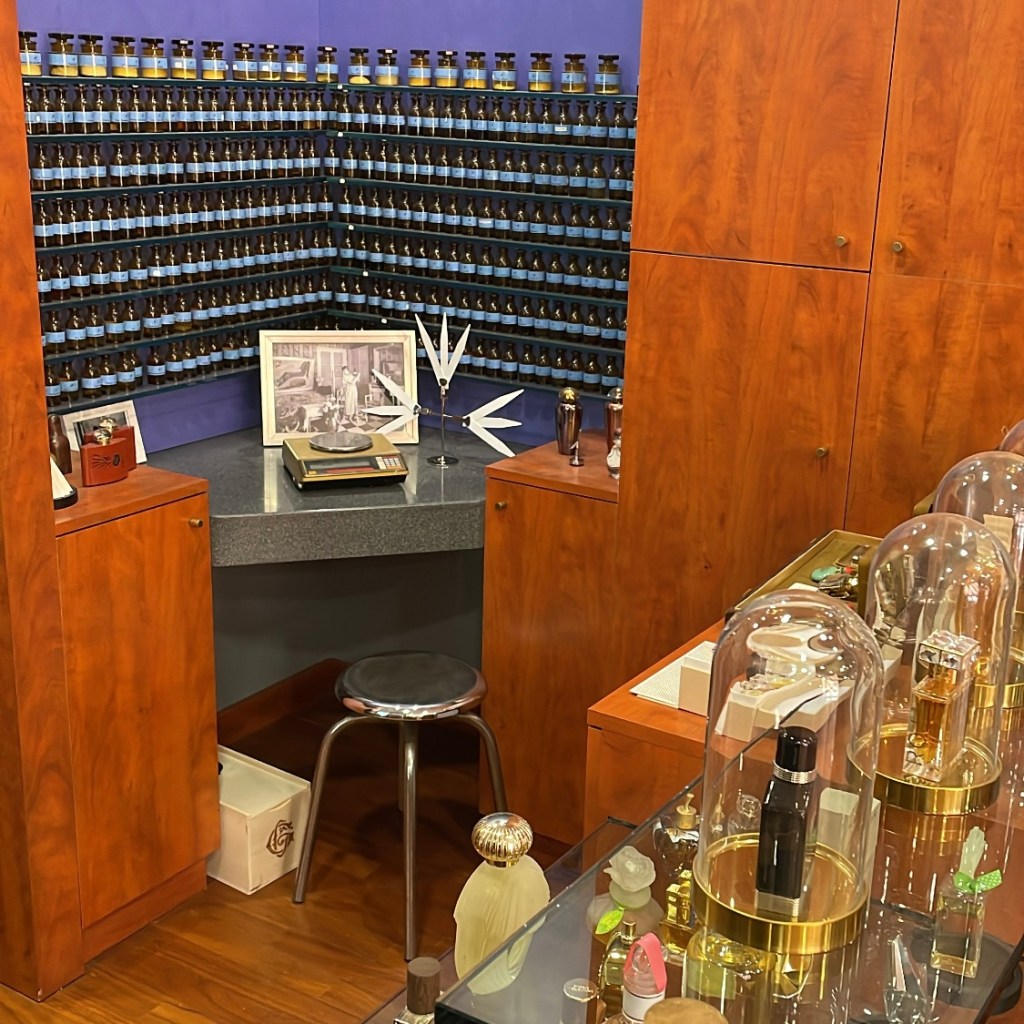
This picture showing “la cave” or “the cellar” — 12°C fridges filled with dark glass bottles containing perfume topped with argon, an inert gas, to keep the perfumes as stable as possible within their bottles — that is the heart of Osmotheque. Their archive houses 5,000 perfumes, 850 of which are no longer available except here.

What I did not realize until I visited is that Osmotheque does not simply take the vintage/antique perfume out of the bottle and preserve it. They have perfume formulas entrusted to them, and they re-blend the formulas with fresh materials: that is what gets preserved in the cellar. (When a raw material is no longer available, that perfume does not get reconstituted.) It is simply reality that perfumes under any conditions will degrade and change over time, to the point that after enough years have passed, the way the juice smells is no longer the same scent that the perfumer created and shared with the world. I asked if they ever get vintage perfume so well-preserved that they don’t need to reconstitute it; the answer is no.

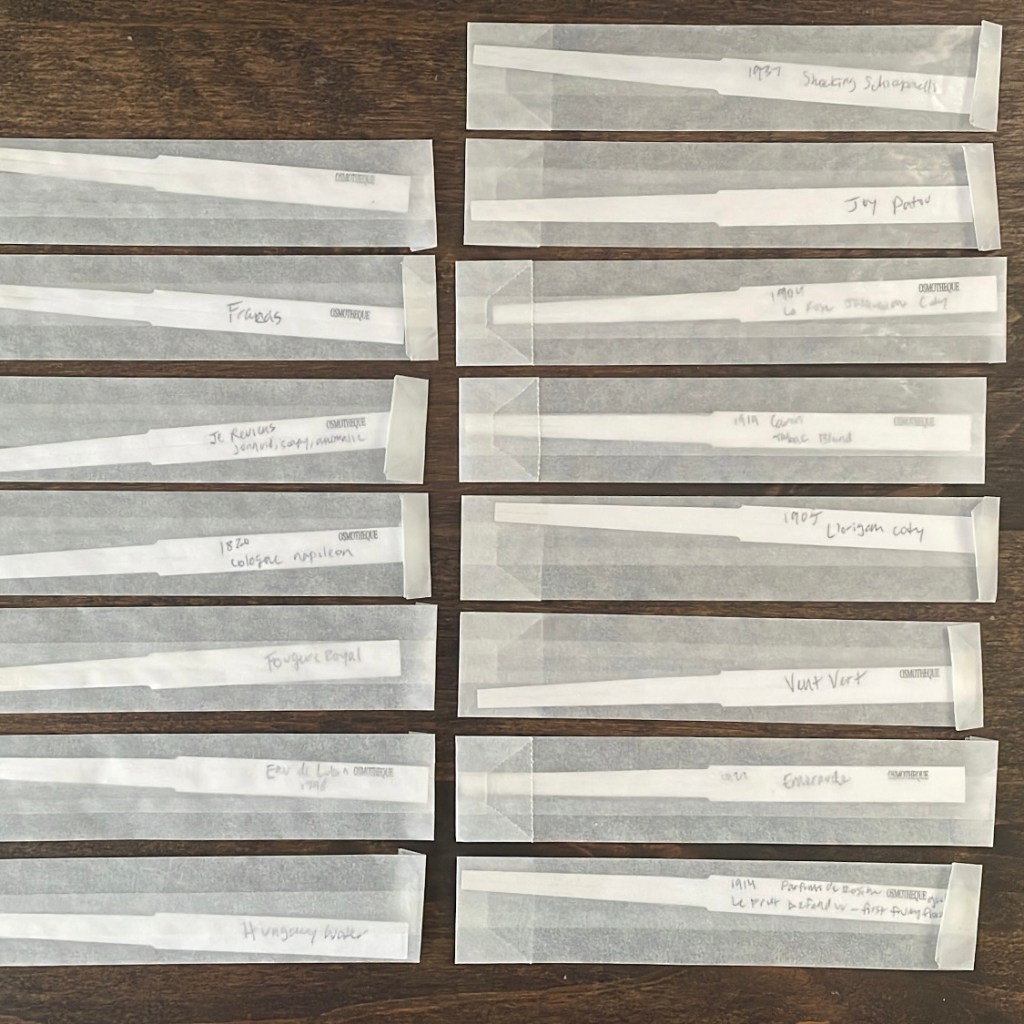
After visiting the cellar, we were treated to a fantastic (and scented) lesson on the history of perfumery. We smelled perfumes from centuries ago when distilled alcohol was first used, all the way through the 20th century. It was striking how that musty “vintagey” smell that overpowers so much of vintage perfume for me was basically absent. There were perfumes where I could smell a sensibility that I associate with vintage style (Shocking by Schiaparelli, 1937, was the primary example of this for me), but on the whole, I felt like I was encountering the perfumes clearly, the way they were originally encountered, and not through the scrim and cobwebs of age and time.

Book: The Smell of Slavery

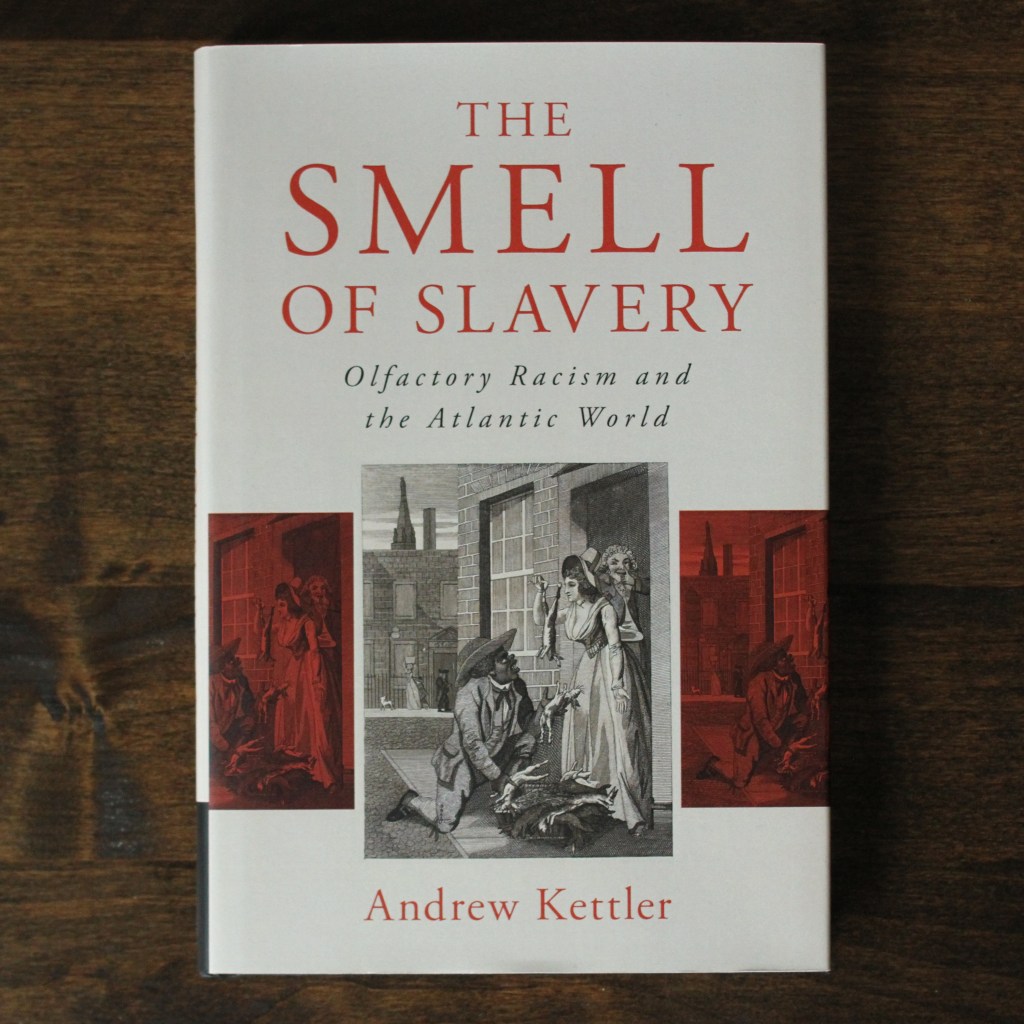
The Smell of Slavery: Olfactory Racism and the Atlantic World. This academic book by Andrew Kettler contributes to a sensory history of Atlantic slavery. It traces the way olfactory sensibilities were shaped and wielded by white culture to subjugate African people and justify slavery, the way smell was used to dehumanize Black and African people, and the ways enslaved and formerly enslaved people used scent in acts of resistance.

Book: The Smell of Risk

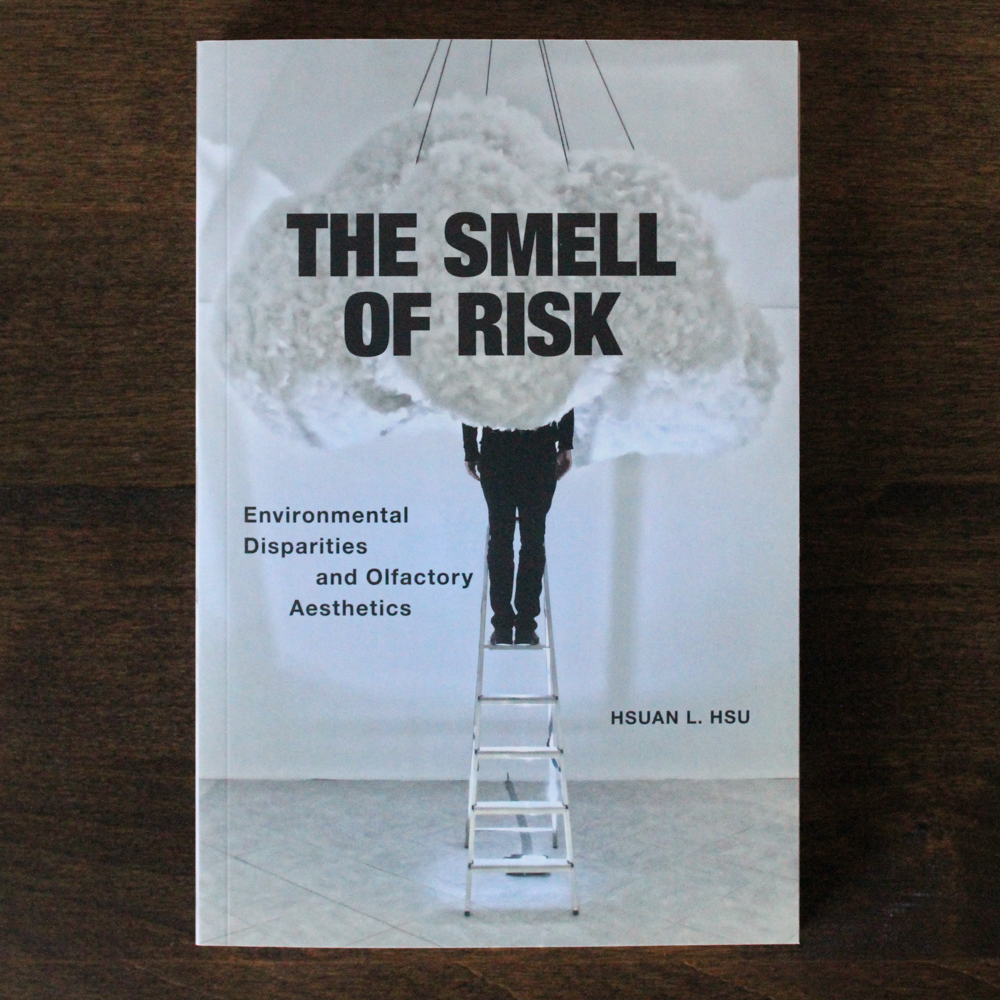
book cover: The Smell of Risk by Hsuan L. Hsu

“Olfaction necessarily puts the smeller’s body at risk: to smell something is to become vulnerable to it.”

Hsuan L. Hsu’s The Smell of Risk: Environmental Disparities and Olfactory Aesthetics is an examination of the many ways that smell is bound up into structural inequality—how “our differentiated atmospheres unevenly distribute environmental risk.” In the book, Hsu explores the olfactory inequalities present in art museums, naturalist writings, detective fiction, and settler colonial and Orientalist values and practices. Ultimately, Hsu explores what it could mean to decolonize smell. This book doesn’t shy away from complexities, and I highly recommend it to anyone curious about the role smell plays in environmental justice and decolonization.

Perfume Material: Ambergris

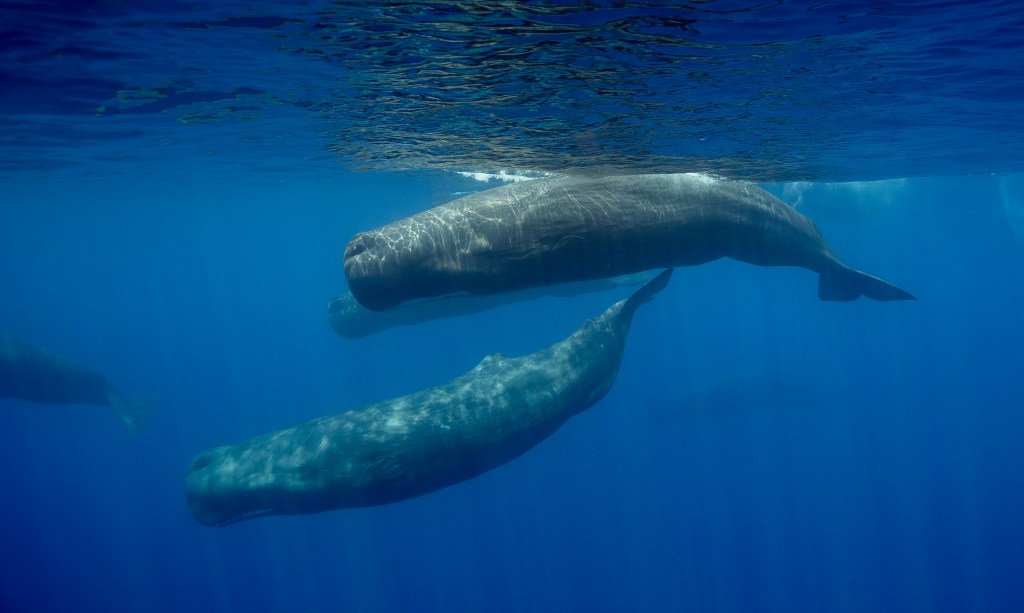
Like an oyster makes a pearl to protect its insides from an irritant, a sperm whale makes ambergris to protect its insides from irritating parts of food it can’t digest, such as squid beaks. The whale excretes (ahem, poops) its brick of waxy mucus, leaving it to float in the ocean for years and decades, its scent becoming more and more refined as it “cures” in the salt water and sunlight—this is essential; ambergris fresh from the whale is no good. Eventually a sailor may scoop it up or a lucky passerby out for a beach stroll may find it washed up on the shore. Ambergris looks, basically, like a rock. Originally it was used (generally powdered and/or tinctured) as flavoring or in medicines, including the allegedly plague-dispelling “pomanders” that were filled with aromatic materials and worn around the neck—the word comes from the French “pommes d’ambre”: ambergris apples. Eventually the enchanting substance came to be used in perfume.

In her book Fragrant: The Secret Life of Scent, Mandy Aftel writes that “…ambergris remains one of the great mysteries of perfumery; a fixative of great value, it is long-lasting and mellowing. Used in small quantities, it creates an exalting and shimmering effect on the entire perfume. Sweet and dry, with stronger notes of wood, moss, and amber, it has only a slight animal aroma.” Steffen Arctander in his Perfume and Flavor Materials of Natural Origin writes of ambergris (listed as “Ambra”): “Its odor is rather subtle, reminiscent of seaweed, wood, moss, with a peculiar sweet, yet very dry undertone of unequaled tenacity.”

While ambergris from a sperm whale can in some ways be compared to pearls from an oyster, ambergris cannot be cultivated the way pearls can—which makes supply irregular and the exact qualities of scent inconsistent from one chunk or tincture to the next. Sperm whale populations are not endangered, but they are vulnerable, which means fewer mucus bricks excreted into oceans. True ambergris has been replaced by a variety of synthetic aroma molecules in most of perfumery—save, perhaps, for a few small-batch artisans dedicated to working with fine natural materials.

Scent Memory: Mothballs

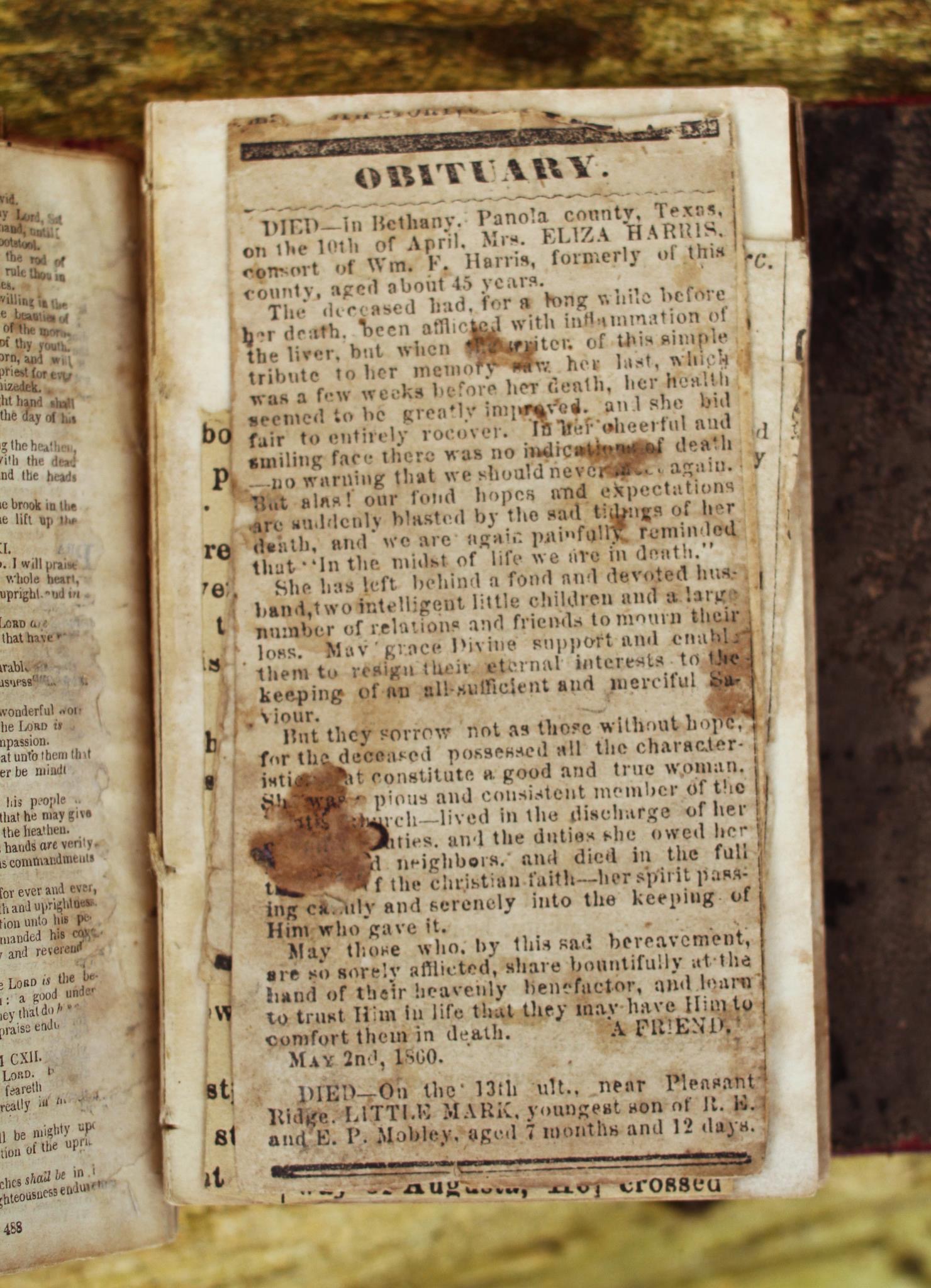
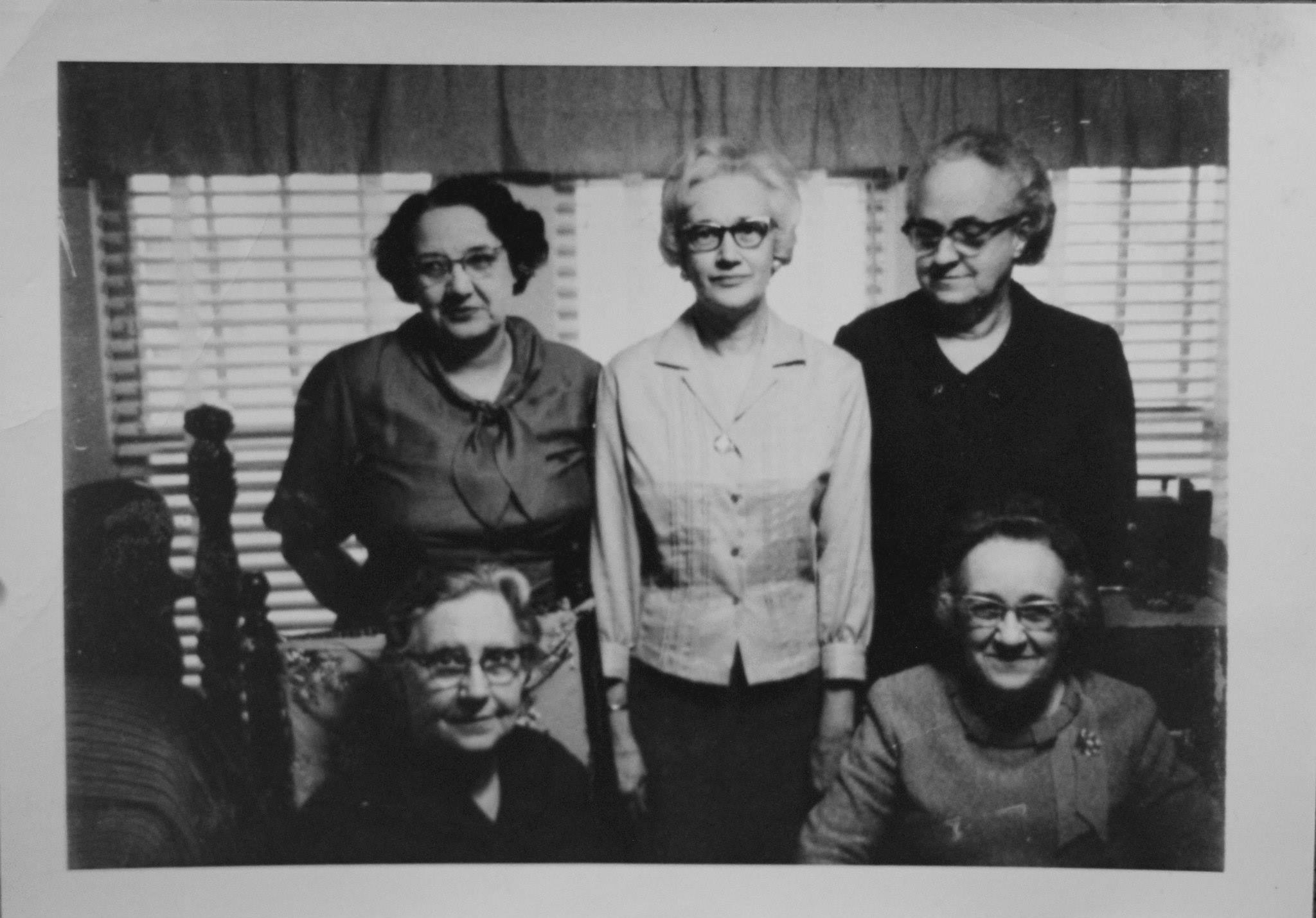
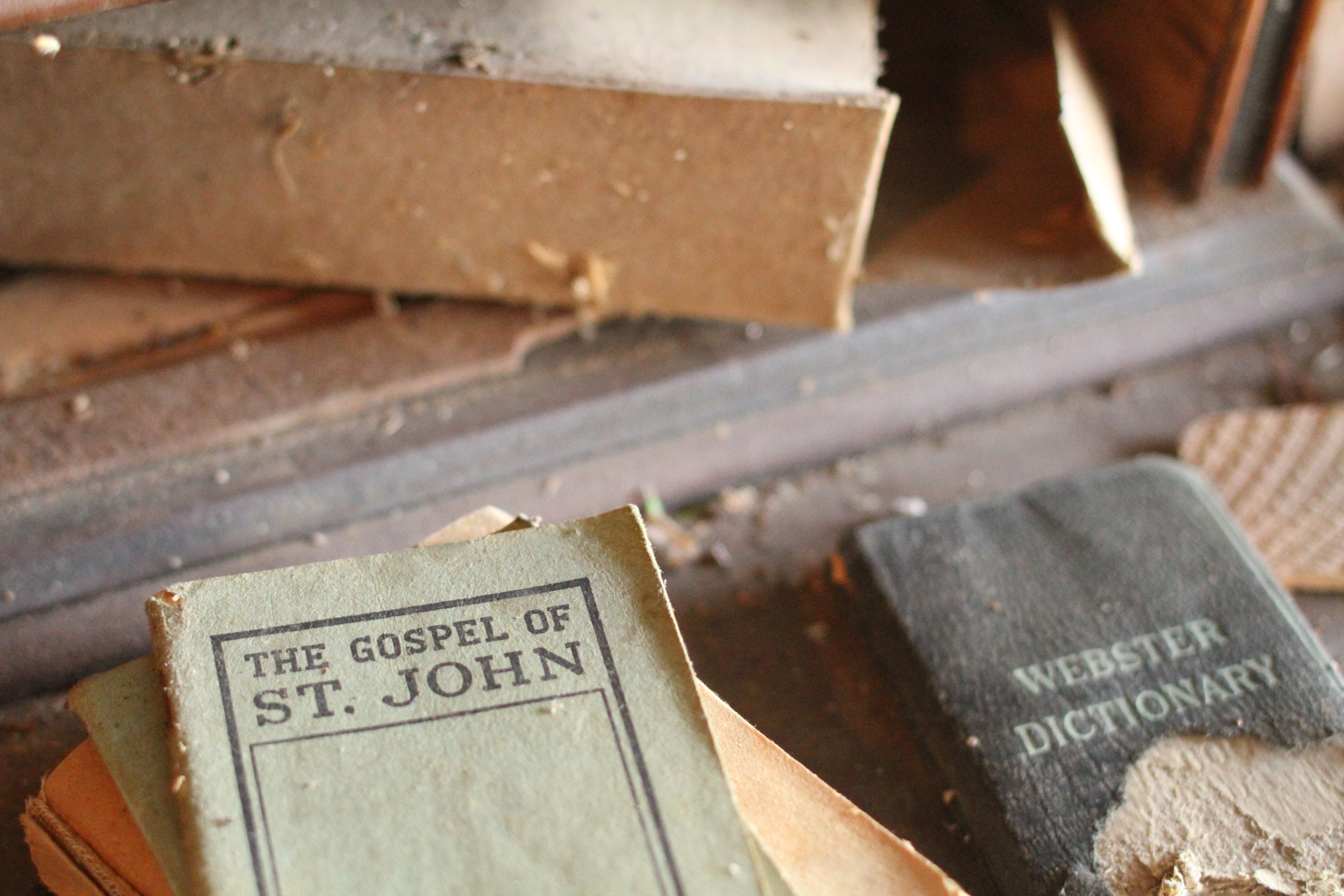
The smell of mothballs brings back memories of the Old Home Place, a family home in rural East Texas that was built in 1898 and last inhabited in the 1970s. When my family and I entered the house for the first time in decades, there were mothballs in every room, in glass bowls like they were white buttermints. Over the next few years, the house grew large in my personal mythology. I never met my great-aunts, but I sorted through their belongings like treasure, even wore their dresses. The smell of mothballs brings to mind the duality of my relationship to the Old Home Place: simultaneously intimate and intrusive.

It was a joy to share these memories with Frauke Galia for her project Scent Tattoo. Read the full story here.

Perfume Material: Musk

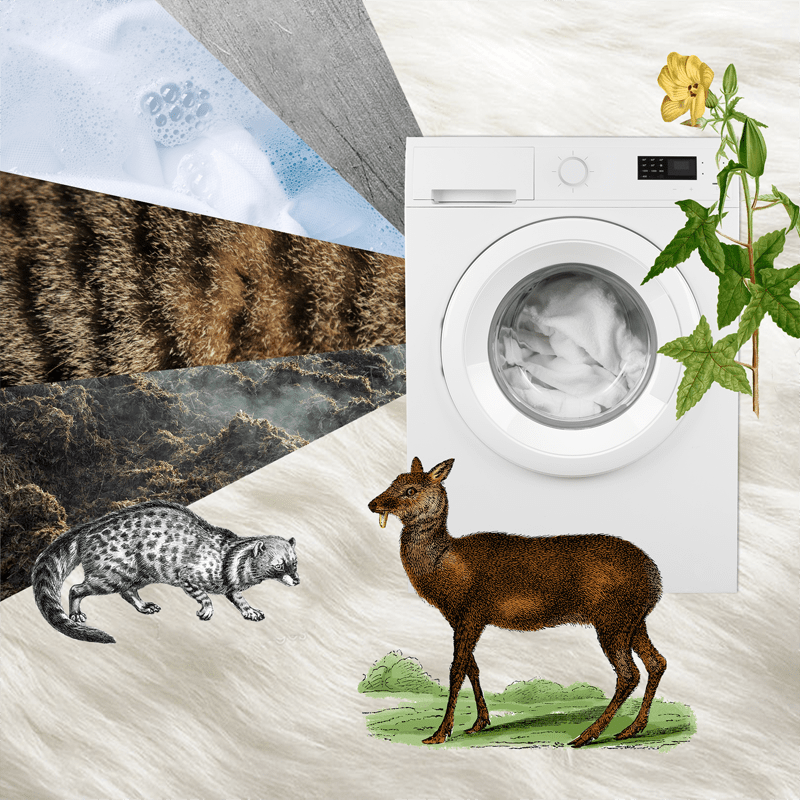
Musks in perfumery are like the base notes below the base notes, amplifying everything above them. Musk molecules are large, which means they’re slower to evaporate, adding staying power and “oomph” to any blend they’re in.

Originally, perfumer’s musk came from the musk deer and other animals including civet cats and beavers (castoreum). Today, true animal musks are no longer used, and have been replaced with synthetic musks. The only plant musk is made from the seeds of the ambrette flower, also known as musk mallow.

So what exactly does musk smell like? The answer is a tangled web of scent culture. Animal musks and their synthetic reconstitutions are often overpowering and unpleasant—think manure—unless they’re highly diluted. Dosed properly, they add magic to a blend. Musks can be plush, warm, powdery, creamy, grubby, funky, dirty, indolic, weighty, luxurious, musty, round, or soft.

Musks can also smell clean like laundry—primarily because they are the scent of clean laundry. The large molecules’ staying power makes them perfect for detergents and fabric softeners, which have to retain their scent through the laundry cycle. It’s a scent culture feedback loop: fragrance houses created new synthetic molecules and used them for laundry products, so now we associate their scent with cleanliness and warm, fresh laundry. (Some musk molecules do not degrade in water, causing harmful bioaccumulation, and are increasingly regulated / decreasingly used as a result.)

Some musks smell a little bit wet; some smell a little metallic. Some of them don’t have a smell at all—because the molecules are so large and heavy, about 50% of people are anosmic to (can’t smell) any given musk molecule. For this reason, most perfumes or scent applications will use a handful of different musk molecules, knowing that each person will only smell about half of the musks.

Scent as a Weapon

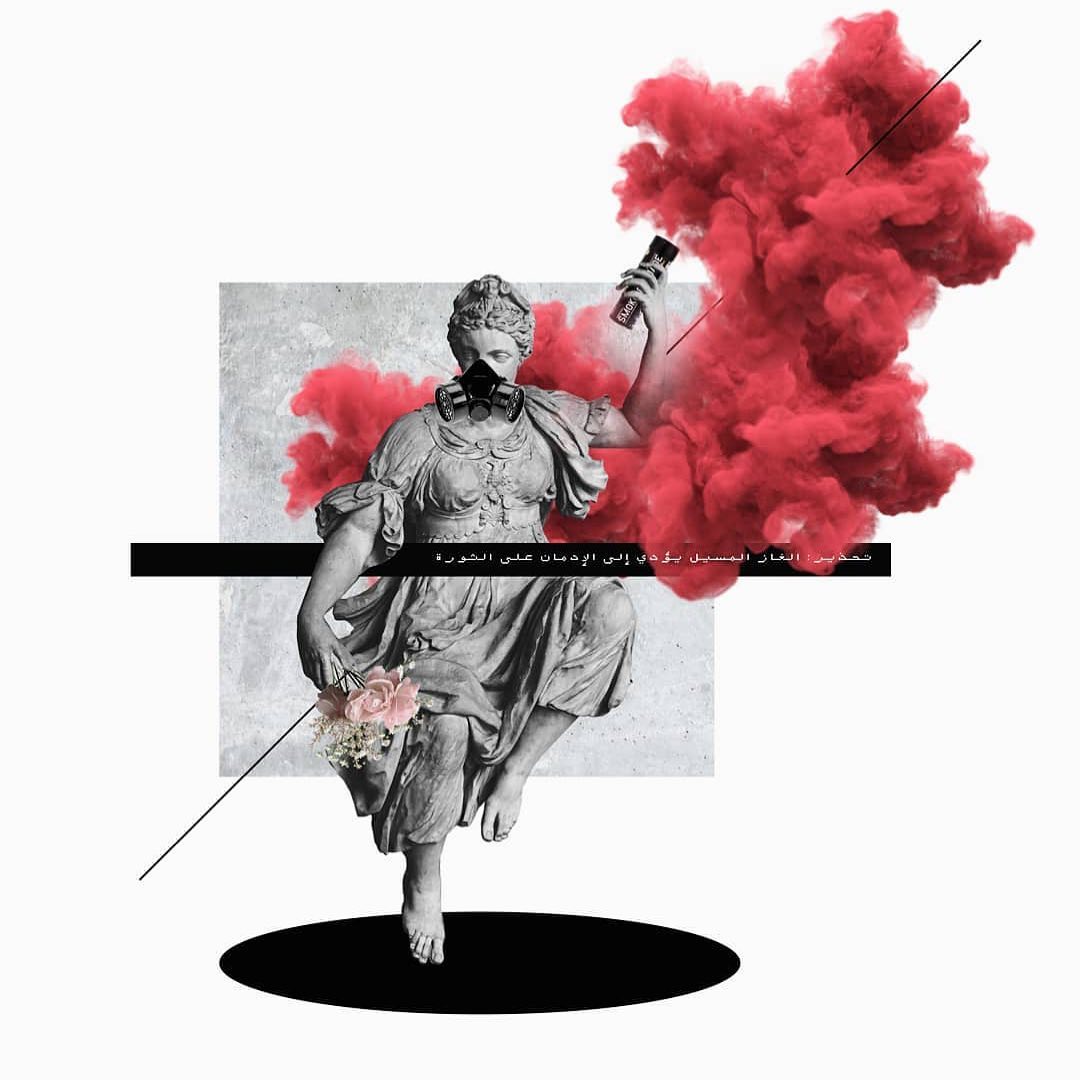
Warning! Tear gas leads to addiction to the revolution... Mira Diab
“Warning! Tear gas leads to addiction to the revolution…” by Mira Diab. Features a photograph by Jakob Rubner. Buy a postcard print from Dikkeni, and proceeds will go to NGOs and artists in Lebanon. Also a reminder to donate to Impact Lebanon and/or Islamic Relief USA to support relief efforts in Beirut following the explosion.

Scent can be weaponized. It can be violent. I’ve been learning a lot from talks hosted by The Institute for Art and Olfaction—about the ways colonizers wipe out native smells and impose their own smellscapes, from Hsuan L. Hsu’s Experimental Scent Summit talk “Decolonizing Smell.” About the ways that the unfamiliar smells of an othered community are so often used to dehumanize and justify violence against them or to deny them access, from Nuri McBride’s class “Xenophobia: An Olfactive History of Otherness.” And from Aleesa Cohene, I learned about Skunk: scent made into a powerful weapon. It is touted as “less lethal” and more humane, but it also inflicts unique psychological, social, emotional, and neurological damage upon its targets. And of course, it maintains the cycle of othering—an entire group can be sprayed with the persistent stink of Skunk, marking them, robbing them of dignity, and potentially justifying further violence against them.

The Scent of Cotton

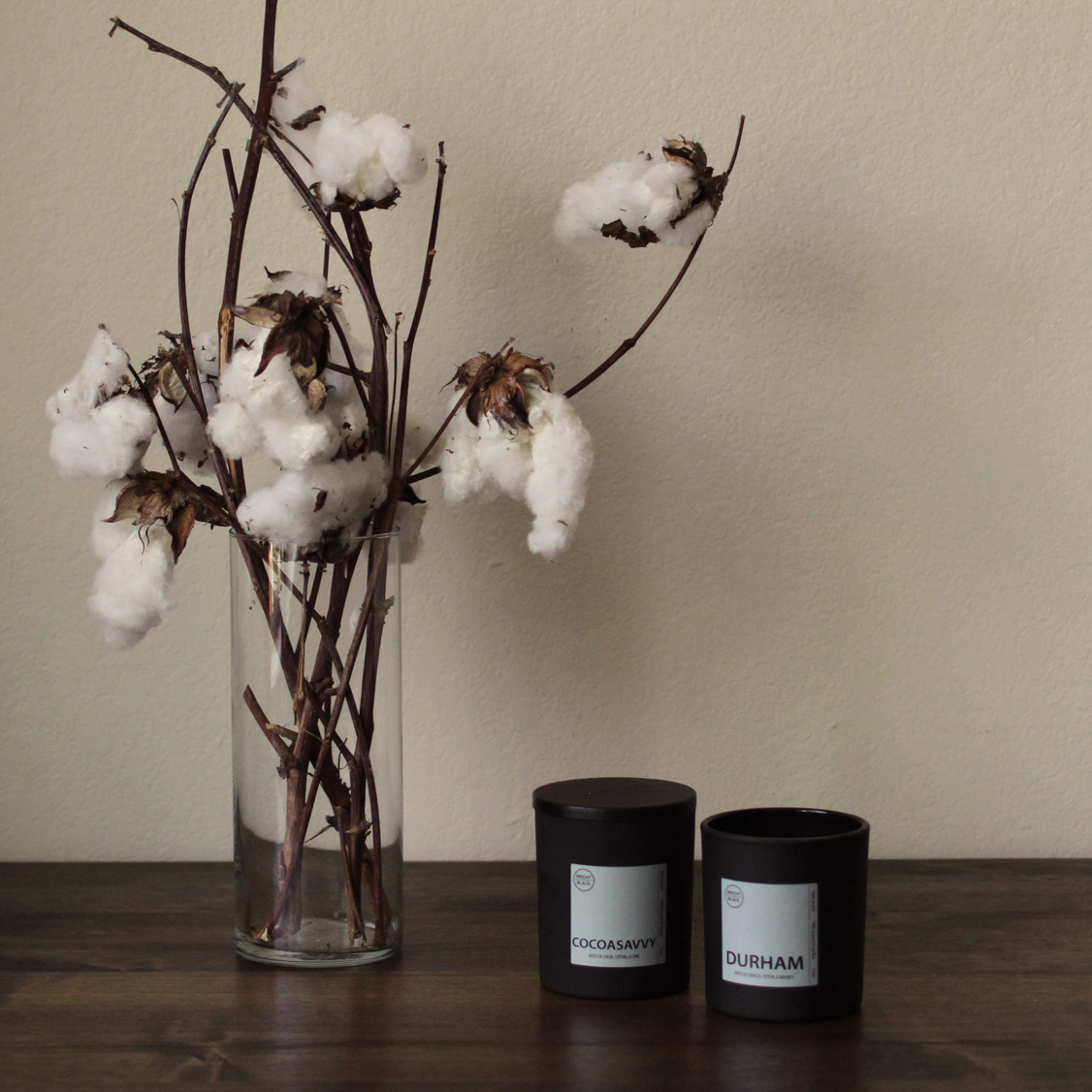
Bright Black Candle cotton

The scent of cotton. It is, arguably, a “fantasy note” in perfumery terms, as cotton is not distilled or made into an aromatic material, nor does it have much of a scent at all. But when I stick my nose into these fluffs of raw cotton, there is a texture that comes through in the way of smell: soft, swaddling comfort, muffled and peacefully quiet, enveloping like a clean cocoon. “Fantasy notes” use smell in non-literal ways to evoke ambiance, moods, associations, and ideas—which is why it’s such a powerful choice that Bright Black Candles and Cocoasavvy included the textural scent of cotton in these two beautiful candles. The history of cotton—and the wealth and economic power that the US gained through it—is inextricable from the history of slavery, sharecropping, injustice, and the dehumanization of Black lives.

“So much of Bright Black is about seizing control of our narratives and reclaiming our history as a means of shaping the present and the future,” write Tiffany and Dariel of @brightblackcandle in a post about the Durham candle from their Diaspora collection. “This is why we blended cotton with our other fragrance notes in our Durham scent. We were inspired by @blackcotton.us and their movement to position cotton positively (which is a very different framing than we grew up with in the North). From a scent perspective, the cotton softens the whiskey and tobacco notes, rounding it out and providing balance to what would have otherwise been quite a harsh aroma.” The smell is rich, sultry, enveloping, and deep.

For Alita Carter’s @cocoasavvy brand, Bright Black created a scent using notes of cotton, cocoa, and sugar cane—all three major cash crops produced in the Americas, all three produced largely by Black and African people, some free, many not. In Tiffany and Dariel’s words, this candle is in many ways “a tribute to the Americas and the contributions so many Black people provided to growth in these regions….It’s a tender scent, a consoling scent, an almost mitigating scent—sending reassuring messages that tomorrow will be ok, even if today is tough. That hopefulness flows all through this candle, and has flowed throughout our history in North, South, and Central America (and throughout the entire Diaspora really).” Alita paired the scent with Margaret Walker’s poemFor My People.” “…For my people standing staring trying to fashion a better way / from confusion, from hypocrisy and misunderstanding, / trying to fashion a world that will hold all the people, / all the faces, all the adams and eves and their countless generations; // Let a new earth rise. Let another world be born….”

The Cocoasavvy candle can be purchased at cocoasavvy.com, and the Durham candle can be purchased at brightblackcandles.com. The raw cotton bouquet pictured above is from blackcotton.us, a family farm and community-focused company in North Carolina. Give them a follow and take a look at what they’re doing to strengthen their community through agriculture.