Perfume Materials from the Bitter Orange Tree

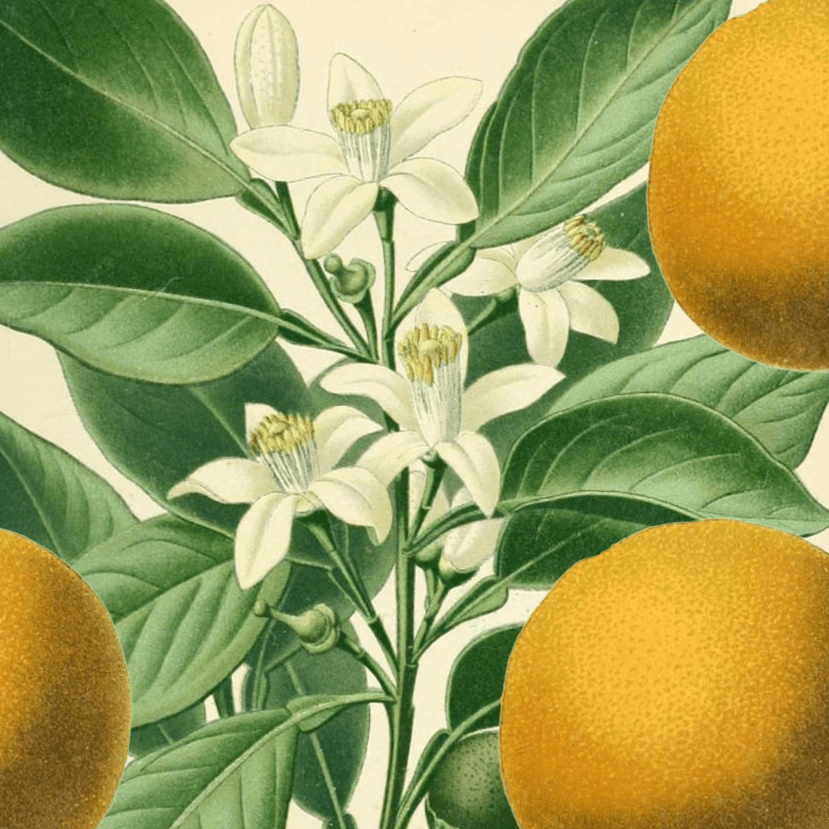
The bitter orange tree gives us several different perfume materials. 

Petitgrain is made from its leaves (and often twigs, too). Its smell is leafy, woody, green, and bitter, with undertones of sweet orange and light florals.

The flowers can be made into neroli or orange blossom depending on how they are processed: neroli is made when the flowers are distilled as an essential oil, and orange blossom absolute is made when the flowers are solvent-extracted. Distillation also produces hydrosol, which is what’s left behind after the oil is skimmed off following steam distillation, and often that hydrosol is then processed into an absolute called orange flower water absolute. 

Neroli smells floral, but more green and woody than orange blossom, which has a higher indole content and a honeyed, heady floral character.

Orange essential oil is pressed from the peel of the fruit, and can come from the fruit of the bitter orange tree (Citrus aurantium) as well as other orange trees, usually Citrus sinensis.

Serge Lutens in Paris

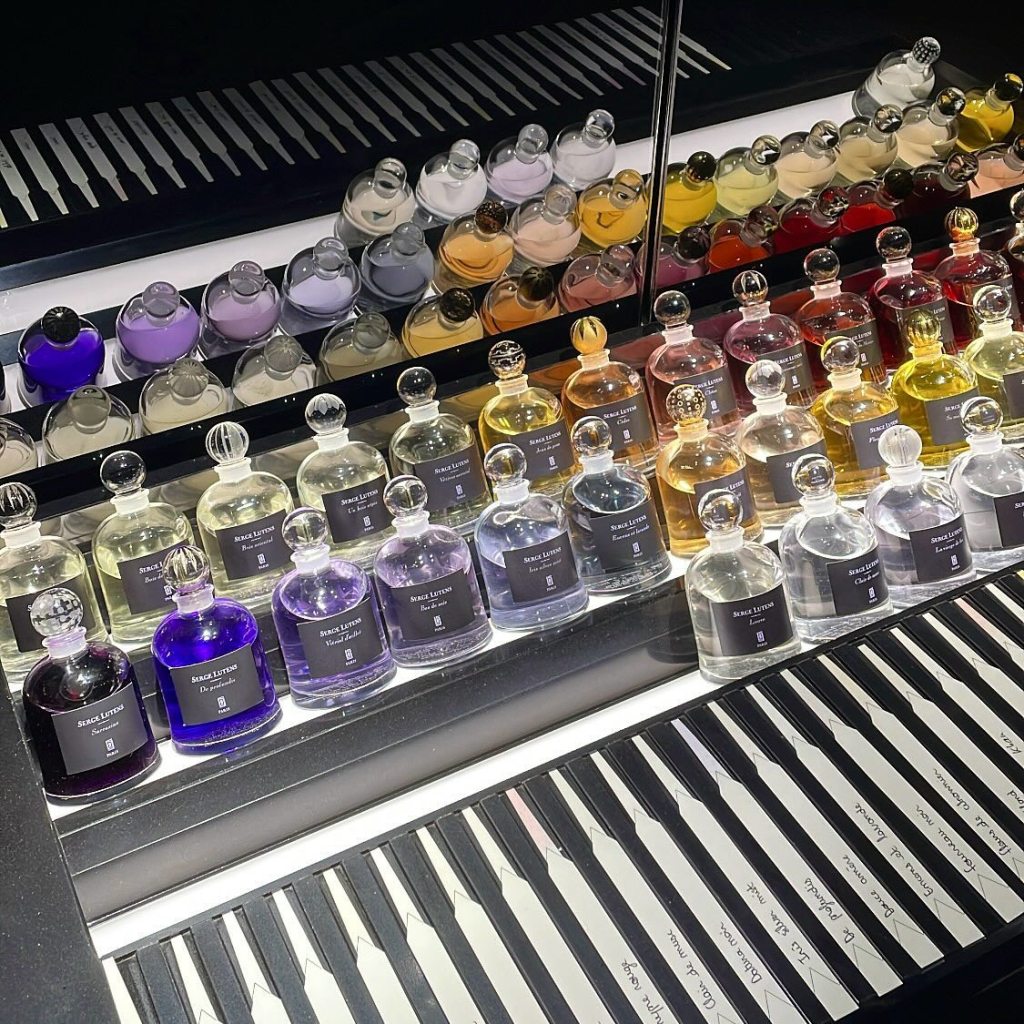
Serge Lutens is one of the first brands I fell in love with when I went down the niche perfume rabbit hole. Their perfumes made me fall in love with perfume. I love their olfactory style, and some of my absolute favorite perfumes in my collection are Serge Lutens: Borneo 1834, Jeux de Peau, Gris Clair…, Five o’clock au gingembre. I’ve also treasured several decants of Serge Lutens scents that different perfume friends have sent me over the years: Baptême du Feu, Fourreau Noir, Encens at Lavande, Fille en Aiguilles, and others. Serge Lutens perfumes have slowly disappeared from US perfume retailers, and rumors abound about how so many of their perfumes have been reformulated to the point of losing their magic.

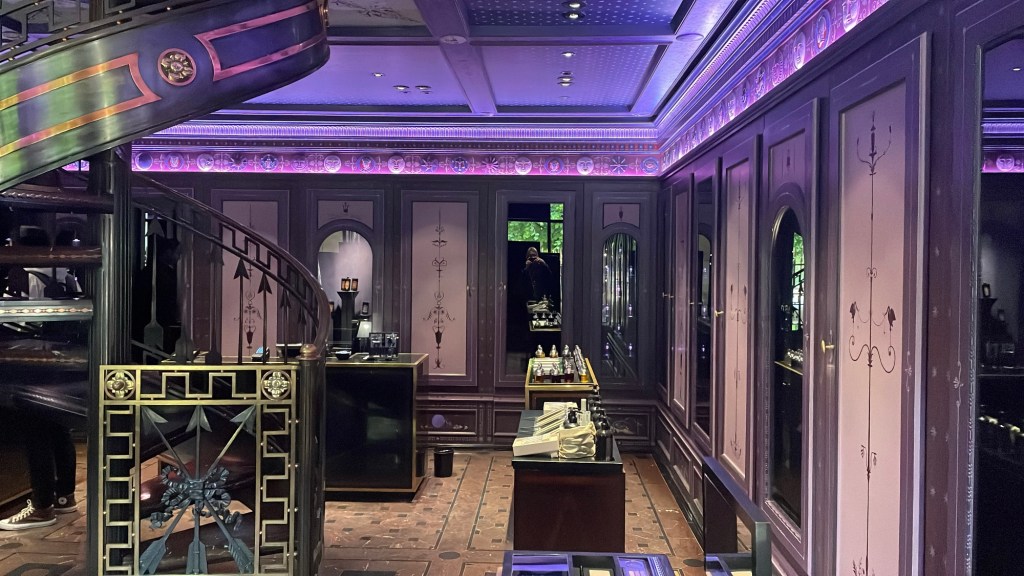
So, one of my favorite parts of visiting Paris was visiting Serge Lutens shop locations and chatting with the shopkeepers. We talked about our favorite perfumes, and both the realities and the exaggerations of reformulations. (On the whole, they felt that reformulations were minor and did not change the vast majority of Lutens perfumes—but there are a handful that are still on the market but noticeably different. One of my perfume collecting regrets is that I once got a “vintage” bottle of Fleurs d’Oranger with the Palais Royal logo and then decided I was not likely to wear it and re-sold it. One of the shopkeepers in Paris confirmed that is one of the Lutens perfumes that has been significantly reformulated and is not really the same anymore. However, he disagreed that Borneo 1834 smells noticeably different now from when it first launched—and Borneo 1834 is his favorite scent, his everyday signature perfume. He also told me Fille en Aiguilles is being discontinued, and a shopkeeper at a different location told me Baptême du Feu is being discontinued.)

It was such a pleasure to smell old favorite scents and sniff new ones (I really like one of their new releases, Écrin de Fumée, and got a sample of that to keep wearing). And, I took home bell jars of two of my favorite lavender perfumes that I previously only had gifted decants of: Encens et Lavande and Fourreau Noir.

L’Osmotheque

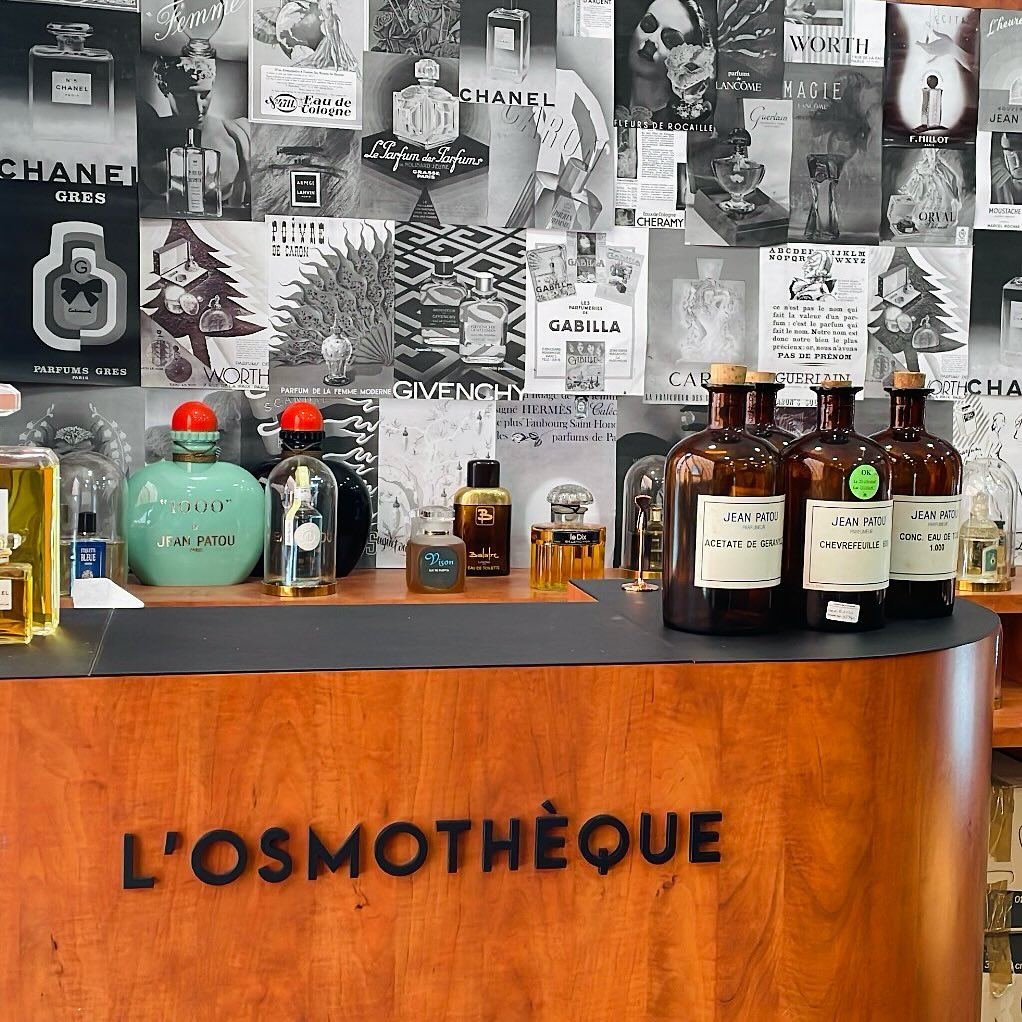
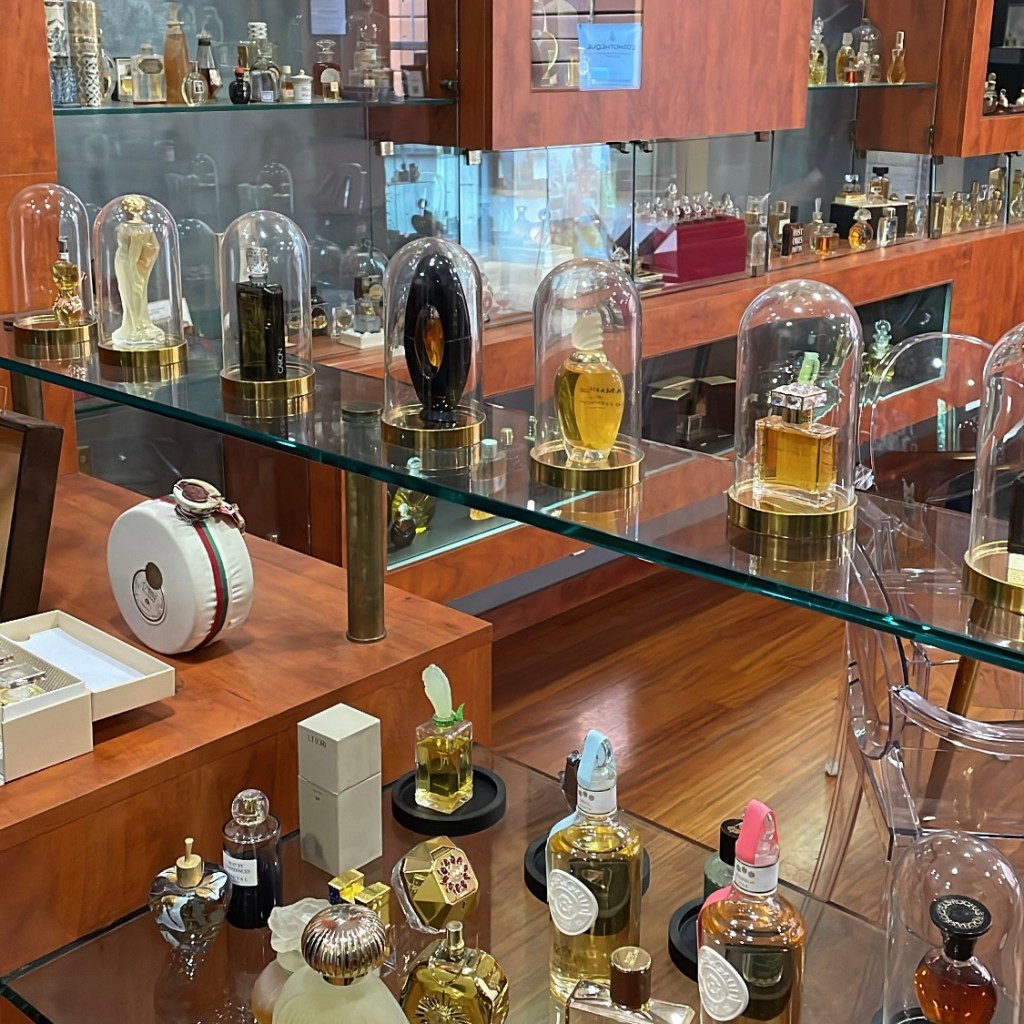
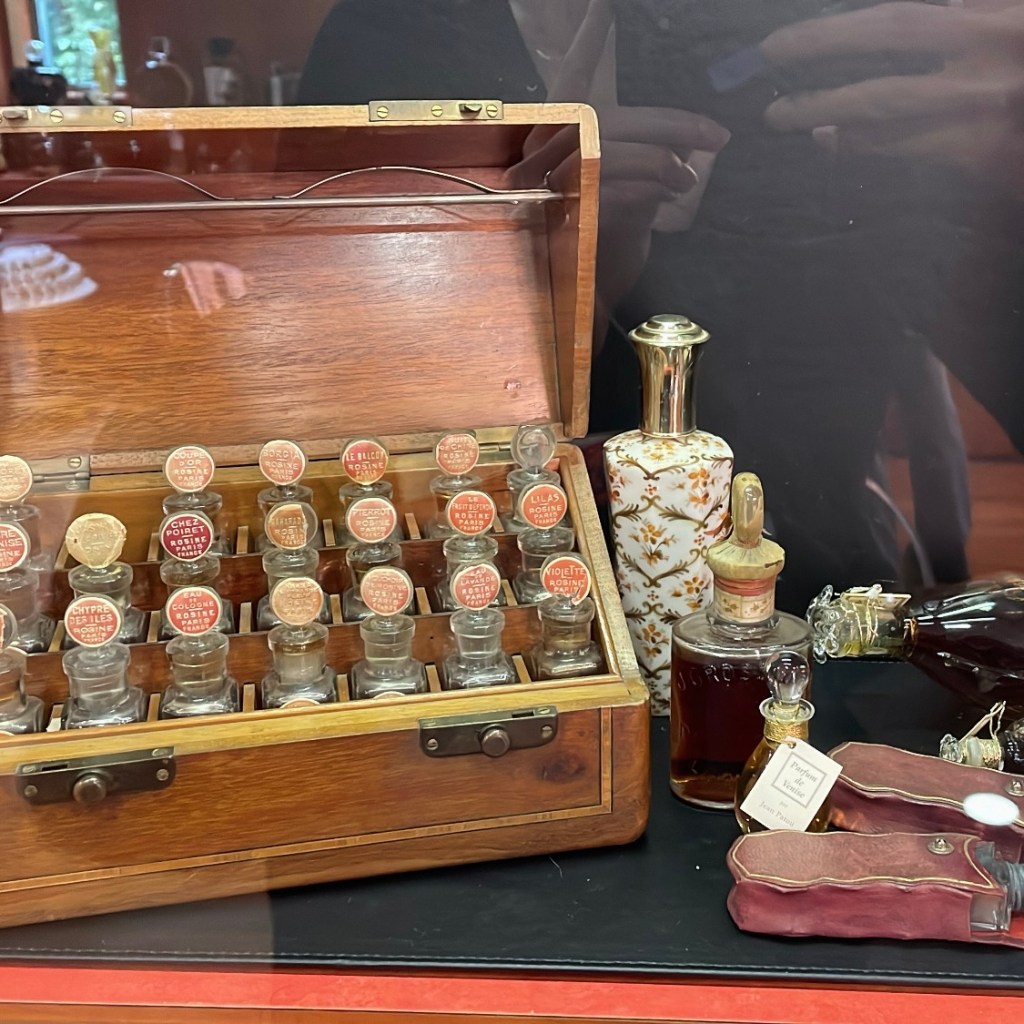
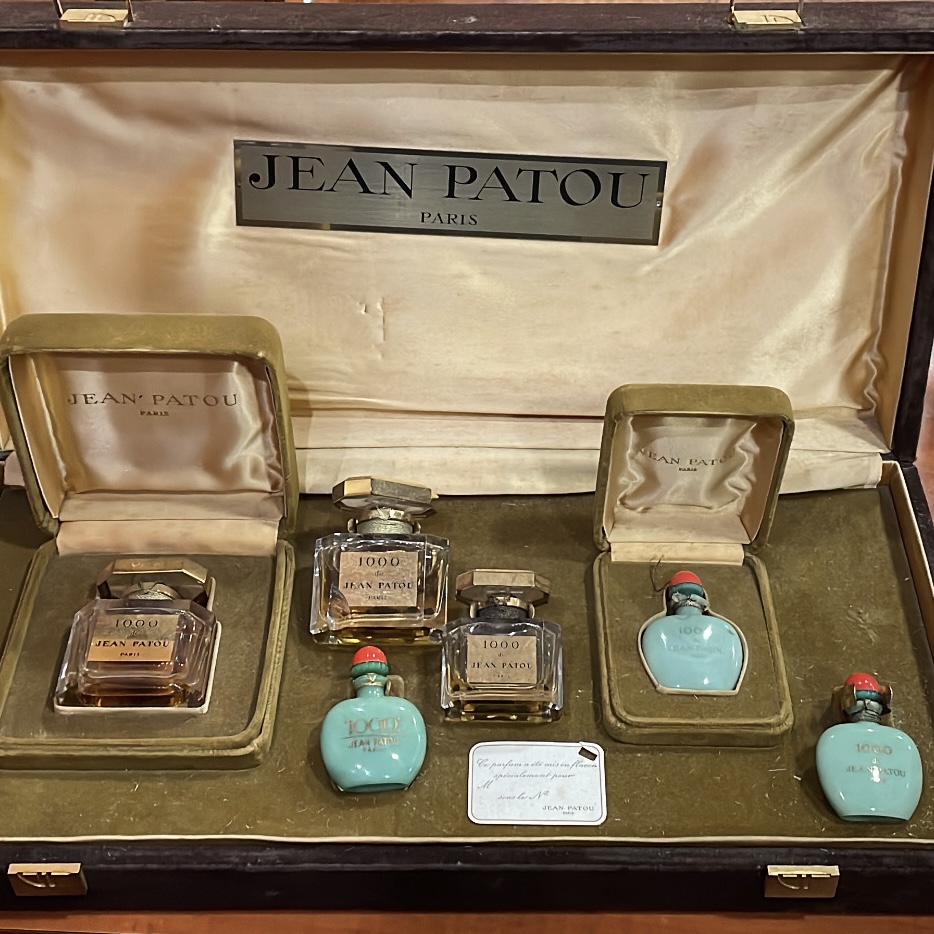
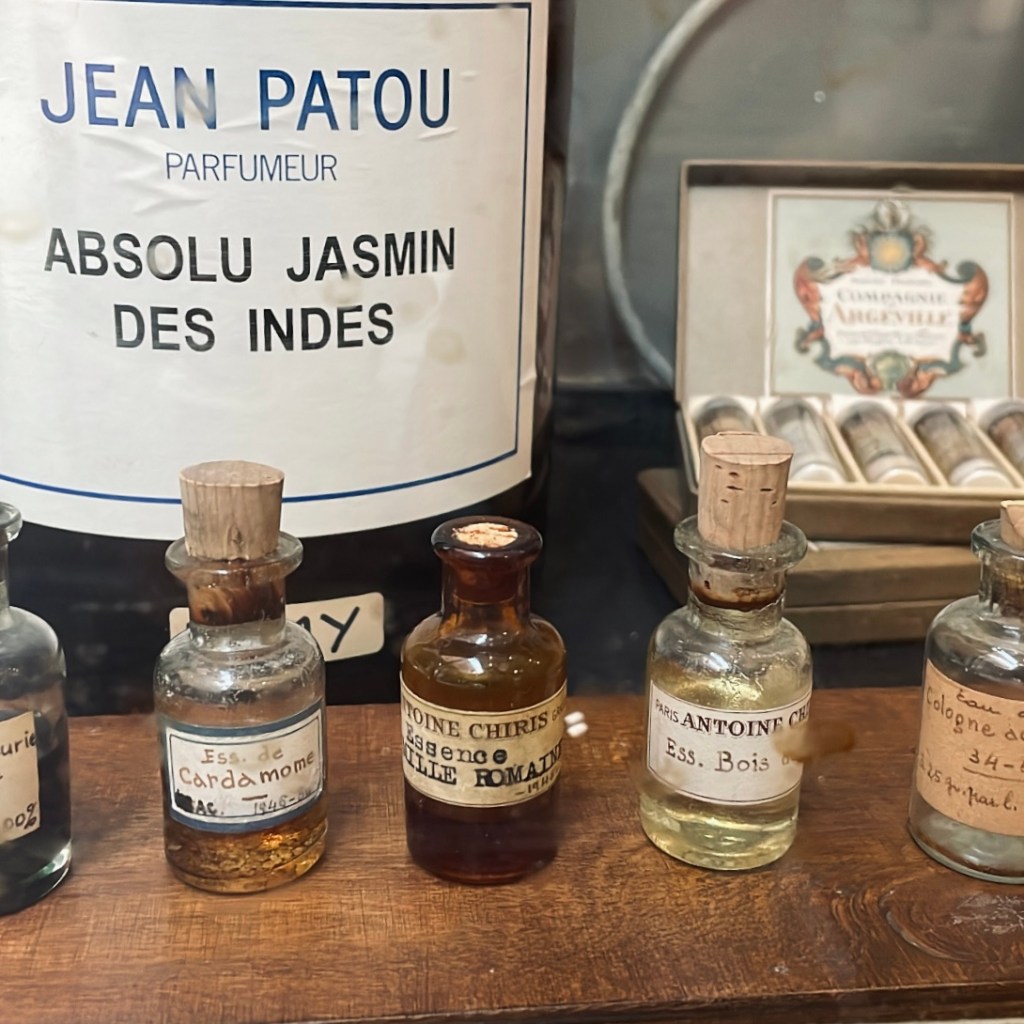
Visiting Osmotheque, the world’s only perfume archive, was a dream come true. Their focus is not perfume bottles (though they have a gorgeous showroom with a ton of antique and vintage bottles), but the juice itself: the actual scents. They formed in 1990 when a group of perfumers decided it was not enough for perfumes to live on only through memory, written descriptions, and nostalgia; we need to be able to smell them firsthand.

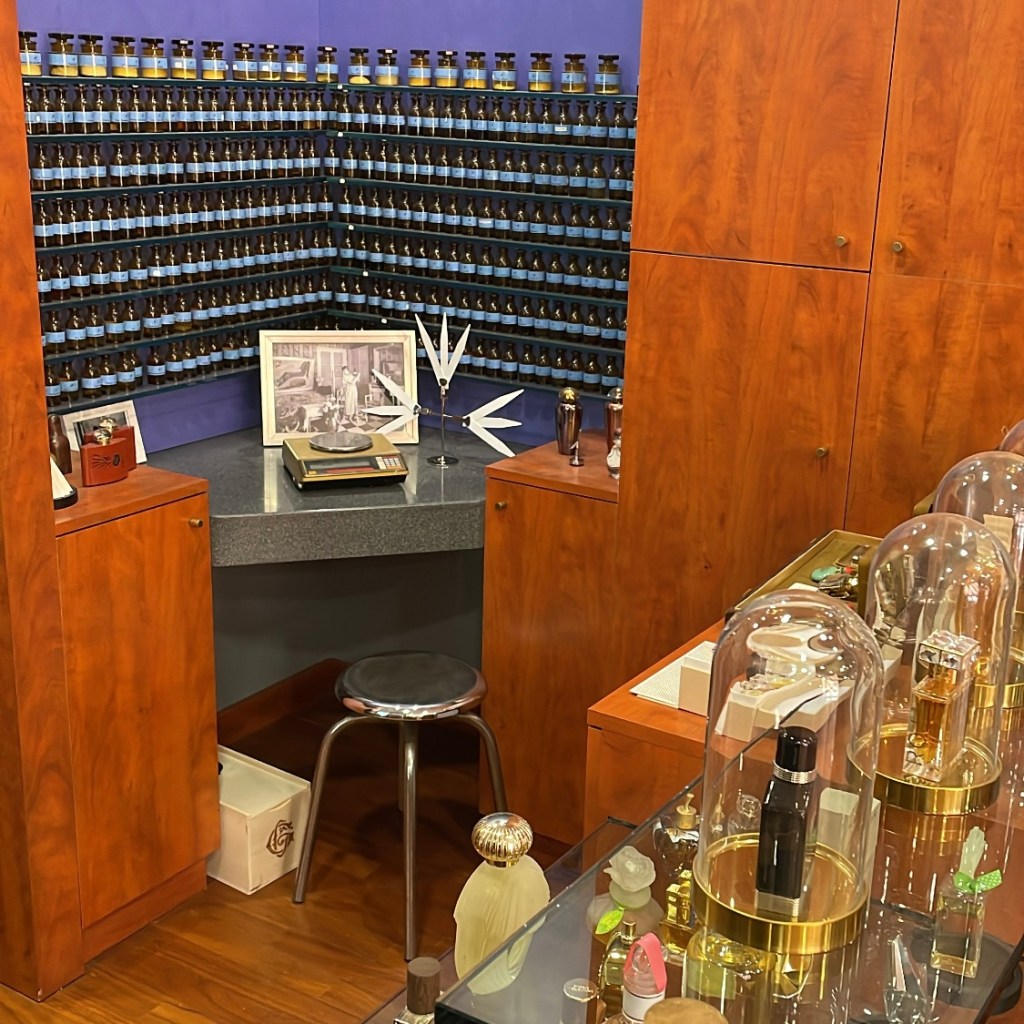
This picture showing “la cave” or “the cellar” — 12°C fridges filled with dark glass bottles containing perfume topped with argon, an inert gas, to keep the perfumes as stable as possible within their bottles — that is the heart of Osmotheque. Their archive houses 5,000 perfumes, 850 of which are no longer available except here.

What I did not realize until I visited is that Osmotheque does not simply take the vintage/antique perfume out of the bottle and preserve it. They have perfume formulas entrusted to them, and they re-blend the formulas with fresh materials: that is what gets preserved in the cellar. (When a raw material is no longer available, that perfume does not get reconstituted.) It is simply reality that perfumes under any conditions will degrade and change over time, to the point that after enough years have passed, the way the juice smells is no longer the same scent that the perfumer created and shared with the world. I asked if they ever get vintage perfume so well-preserved that they don’t need to reconstitute it; the answer is no.

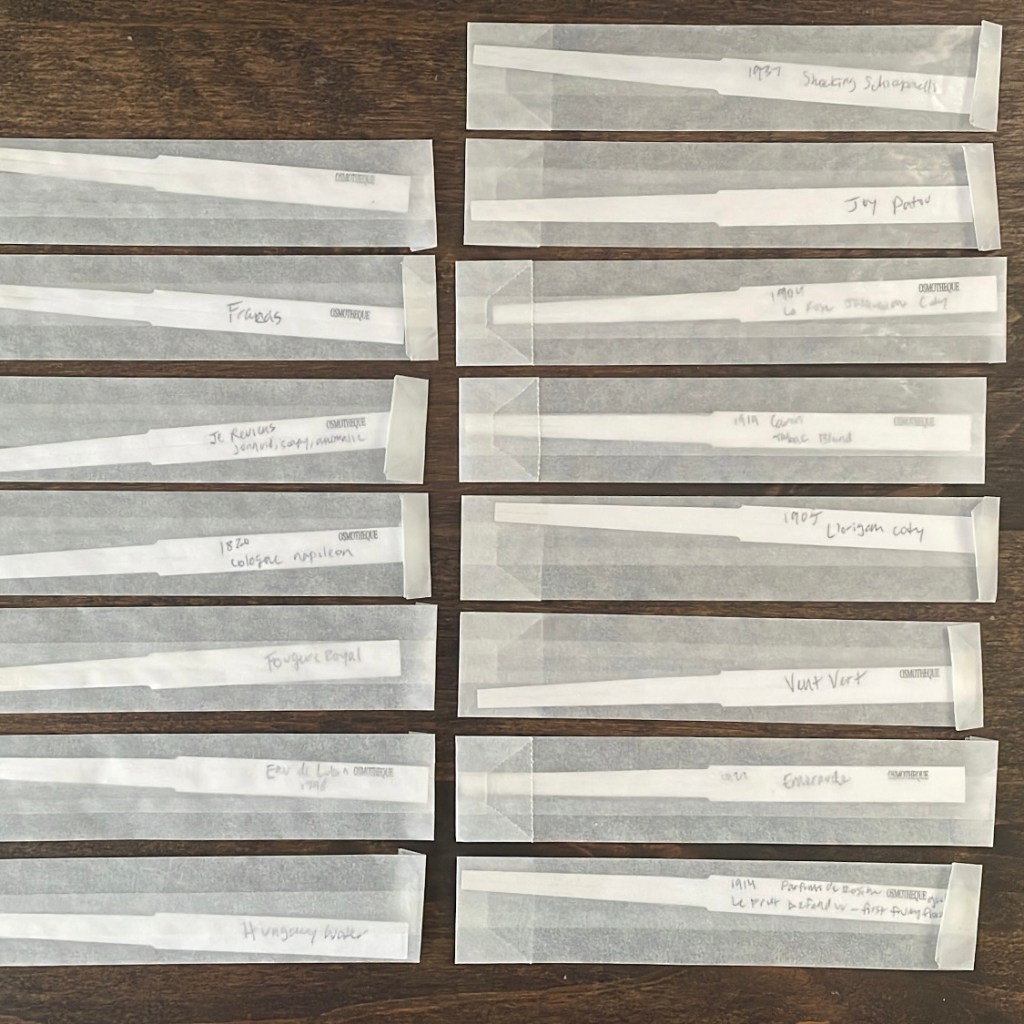
After visiting the cellar, we were treated to a fantastic (and scented) lesson on the history of perfumery. We smelled perfumes from centuries ago when distilled alcohol was first used, all the way through the 20th century. It was striking how that musty “vintagey” smell that overpowers so much of vintage perfume for me was basically absent. There were perfumes where I could smell a sensibility that I associate with vintage style (Shocking by Schiaparelli, 1937, was the primary example of this for me), but on the whole, I felt like I was encountering the perfumes clearly, the way they were originally encountered, and not through the scrim and cobwebs of age and time.

Perfume Material: Lavender

lavender

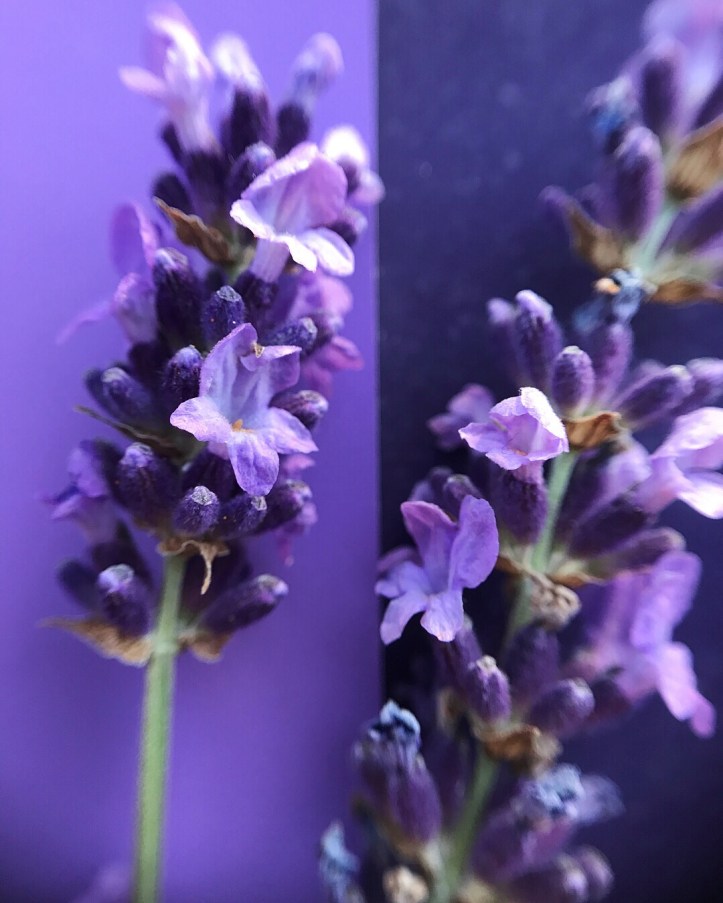
Lavender is a polarizing scent, surprisingly to me! It’s one of my first scent loves, but when I ask people about the smells they like or dislike, a lot of people declare that they hate lavender. In perfumery, lavender comes in two distinctive forms: essential oil (steam distilled), which is a top note that has a more medicinal, herby aroma. This is what most people think of when they think of lavender. Then there’s lavender absolute (long story short: dissolved), which is a middle note with a softer floral aroma. It smells more like the actual flower—which is all over the place here in the PNW. 💜