Interactive Scent Gallery

scentevent1

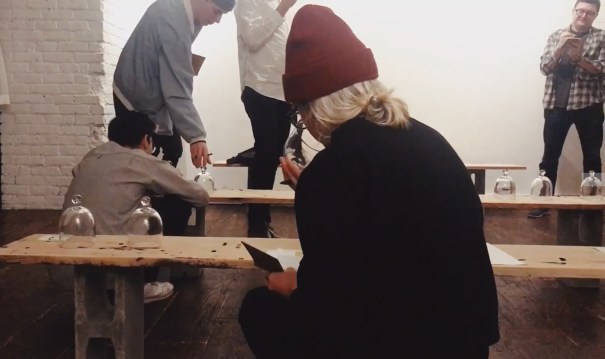
I recently had the incredible opportunity to host an interactive scent gallery for a group of multi-disciplinary artists and creative individuals at The Annex here in Seattle. My goal was first and foremost to facilitate an engaging experience that would get these artists thinking about the possibilities that open up when we use our noses. I wanted them to mindfully experience what Luca Turin calls the enduring strangeness of raw sensation. Hopefully, this experience might even get them thinking about scent in their own creative practice. But I also had some questions of my own that I wanted their help in answering.

Scent in art has the potential to create uniquely embodied, intimate, and ephemeral experiences. Scent resists description, documentation, and preservation. This is part of what makes scent so compelling, but it also presents significant challenges.

Scent is generally a passive, ambient experience—we don’t often think actively about what we’re smelling. And when we do, we usually have some kind of reference from our other senses. For example, we smell something unpleasant, so we identify the cause: we look around and realize we’re standing near a dumpster. We savor the smell of a peach while we hold it up to our nose. But without contextual information from our surroundings, how much are we able to make sense of smells? Scent is notoriously subjective, since we all have different associations and memories linked to scents. How much does this affect how an artist uses scent? We have so little verbal language for scent—but can scent itself serve as a common language that an artist can draw upon to communicate nonverbally? Or is it a kind of Tower of Babel, all of us together yet unable to speak the same language?

These questions have been on my mind lately as I’ve been researching scent in art. By and large, “olfactory artworks” often rely upon audio-visual or narrative cues to frame our encounter with the scent, priming us to experience or interpret the scent in a certain way. Scent’s role can certainly be more than just an atmospheric enhancer. Scent can supplement our experience; it can subvert and play with our expectations. But this means that while a work’s concept may rely upon scent, a scent cannot fully communicate the concept on its own. So I can’t help but wonder: can artists not trust their viewers’ noses? Are we incapable, or merely unaccustomed to encountering scent on its own terms? 

In other words: If our noses are given the chance, can we encounter and engage with a smell as we would encounter and engage with any other work of art? 

After introducing these thoughts, I led the group in a silent smelling of four anonymous scents, with prompts along the way to guide them. Each participant received a blank notebook and a pen to record their internal experience and responses to each prompt.


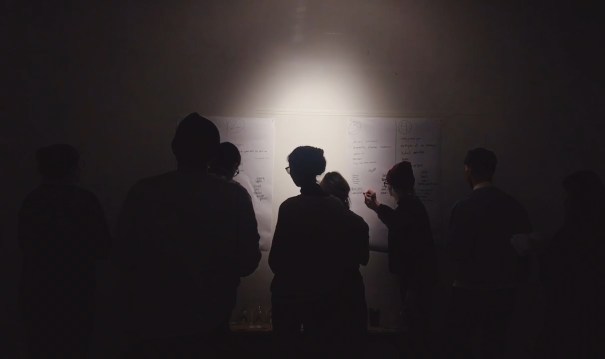
After the exercise, we came together to share our reactions and discuss our experiences. Participants were simultaneously energized by the smelling exercise and fascinated by the unexpected ways that they felt stymied by it. 
scentevent2


At the end of the evening, participants went home with vials of each of the four scents and a sealed envelope containing The Reveal, allowing them to decide for themselves whether and when to read the names and descriptions of the scents they’d spent so much time observing.


I want to thank all the participants who came out to Capitol Hill to experience this with me. I was inspired by all of your responses and thoughts. I’m already planning my next interactive scent event!

Thank you to The Annex for having me, especially to Tae for being such a wonderful curator. Thank you to Kendra Dalley for the videos.

Gourmand Perfumes for Fall


Or du Sérail by Naomi Goodsir smells like sexy Thanksgiving—a cornucopia of fruits dripping with honey, soaked in rum, edged with tobacco. It’s the smell of the color gold. Warm, voluptuous, its texture balances somewhere between velvet and silk. A delicious and seductive scent for autumn.

Salt Caramel by Shay & Blue is a lighthearted gourmand: salty, creamy, caramel popcorn that is simply delectable. In my mind I was “saving this one for fall” while in reality I wore it throughout the summer too. Summons Halloween treats or a seaside carnival, whichever you’re in the mood for.

Jeux de Peau by Serge Lutens smells like comfort: warm milk, freshly baked baguettes, crusty and toasted on the outside with soft, warm, pillowy centers. Licorice notes are nestled underneath, complicating things. This is a gourmand perfume, but not in the usual sweet way. In fact, someone recently suggested to me that milk is an animalic note, and I think Jeux de Peau may be a point in their favor. Milk notes in perfumery (lactones) live on a continuum with apricots, coconut, and even osmanthus, and hints of those notes live in Jeux de Peau, softening the milk and blending its edges into the buttery woods. This is the scent of the idea of a hearth: warm, a blanket wrapped around you while homemade bread bakes in the kitchen the next room over. A cat dozes in your lap, purring.

Art and Scent: “American Golden Boy”

“American Golden Boy I, II, and III” are 3 watercolor paintings by Daniel Barkley. The first one has lived in my home for a few years now, and I think about it often in juxtaposition to whatever is on my mind lately—not as a medium for anything conclusive or even clearly articulated, but just as a provocation to generate thought, however nebulous.

Of course, what’s been on my mind lately is fragrance. Something beautiful we wear on our skin, which arguably takes our shape or shapes the space we occupy. A substance crafted to create illusions.

I’m thinking of these paintings again in juxtaposition to a couple of thought-provoking things I encountered recently: first, Chris Rusak’s Studio Series #8, which arrived in my mailbox and included an excellent zine with @odedeparfum’s essay “(Trans)Gendering Fragrance: Seeing It, Having It, and Having Fun with It” and a sample of Chris’ new perfume Beast Mode, and secondly, @charcoot‘s call-outs on the #fragbro toxic masculinity that is specific to perfume culture. (You should check out all of these things; order Chris Rusak’s Studio Series sets on chrisrusak.com, and read “The Bro Rant” on @charcoot’s highlights.)

If you pair these paintings with thoughts of scent and perfume, what new thoughts come up for you?

Mushroom Smells

mushroomperfumes2

Ever since I ate that matsutake mushroom dish a few weeks ago, I’ve been curious about the smells of different types of mushrooms. So last weekend I went to the Puget Sound Mycological Society’s Annual Wild Mushroom Show and got to see, smell, touch, and taste a lot of mushrooms! My new favorite aromatic mushroom is the candy cap, which smells like maple syrup with hints of curry when dried. It’s used in all kinds of sweet desserts. I was talking to @wurstillustrations and she mentioned that as she’s become more experienced identifying mushrooms, she relies on smell more than sight.

After the show, of course I rummaged through my library (**hoarder’s stockpile) of perfumes to find some mushroomy scents. 🍄

vials

Chypre Mousse by Oriza L. Legrand is so weird and I love it. Frothy, mossy, loamy, with an odd green and aromatic sourness, no hard edges whatsoever, and a whisper of mint.

After the Flood by Apoteker Tepe also has a fresh, “forest floor after the rain” mood to it, but it focuses more on aquatic notes. This one has edges and contrast—like seeing the light and shadows of sunlight filtering through pine trees.

Cepes and Tuberose by Aftelier Perfumes departs from the “fresh” forest floor theme and goes full-on dirty sexy floral. It’s rich, earthy, and sweet with bitter orange and a hint of spice. Gorgeous.

Zoologist Perfumes for Halloween

bat2Happy Halloween! Today is the perfect day for Bat by Zoologist Perfumes. 🦇 This cavernous beauty was created by local Seattle-based perfumer Ellen Covey of Olympic Orchids Perfume. It’s the scent of a dank cave, humid nighttime soil, bananas and soft fruits beginning to rot. It’s a little bit leathery, a little bit earthy, a little bit sweet. This formulation was recently discontinued, which is its own kind of horror. 👻

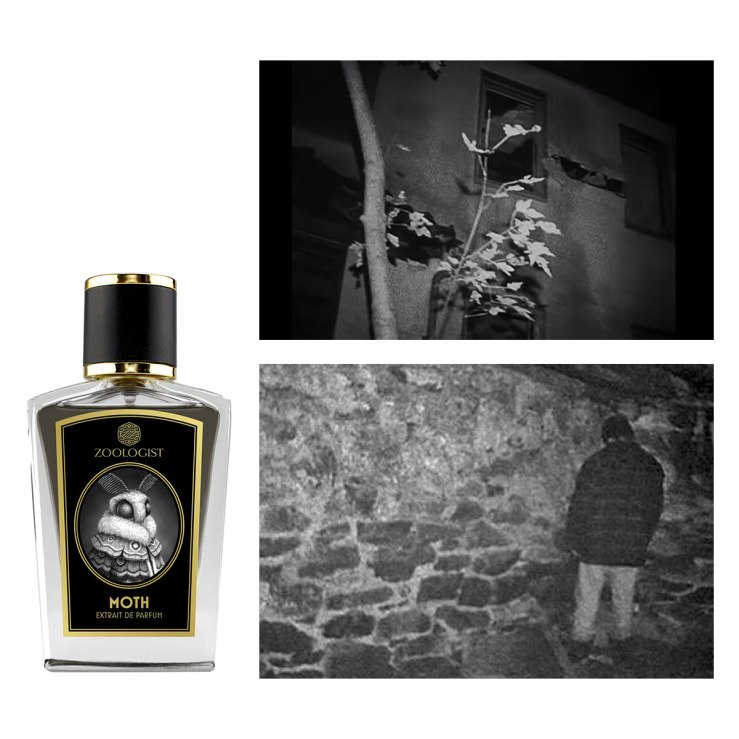
Last weekend I dressed up as Velma Dinkley from Scooby Doo, and I also happened to choose a Zoologist fragrance for the costume. Since Velma is always snooping around haunted places, I went with Moth. It’s a dusty indoor floral that becomes more and more musty in the dry down—it often makes me think of Miss Havisham.

The Problem with Scent

Have you noticed that everyone seems to interpret smells differently? You’re not the only one. I love this excerpt that The Institute for Art and Olfaction shared recently, from an upcoming essay by founder Saskia Wilson-Brown:

“The increasingly fractured significance we apply to scent means that when our personal experiences, memories and preferences are expressed in smell, they are often done so through an uneasy combination of assumptions. “Timeless” meanings (“Frankincense smells holy!”) are assumed to be general understanding, and specific individual perspectives (“The smell of chocolate cake reminds me of my childhood summers in the south of Vietnam”) are assumed to be relatable.

Thus a young trans woman in Atlanta can perceive the smell of rose as a meaningful signifier of her feminine identity, while a Somali scholar in Dubai can concurrently ascribe to it the symbolic meaning of traditional hospitality. An elder from a Canadian First Peoples tribe can understand sage in the context of medicine and healing, while an affluent banker in Hong Kong can understand it as a luxury object in the form of a refreshing room spray.

The meaning of any given smell is heterogeneous; as Derrida would have it with language, so it is with scent. Traditional understandings, fragmented as they already are amongst cultures and epoch, are further splintered with every personal memory, micro-niche, trend, marketing pitch, and emotional analysis. In our globalized world everyone can see or experience everything, and everything means something to everybody. What this means for people working with scent is that, in fact, nothing means one thing to everybody (at least not without a hefty dose of contextual information). Aromatic materials have no consistent meaning. And therein lies the primary problem when working with scent.”

—Saskia Wilson-Brown, The Institute for Art and Olfaction

“Aromatic materials have no consistent meaning.” What do you think?

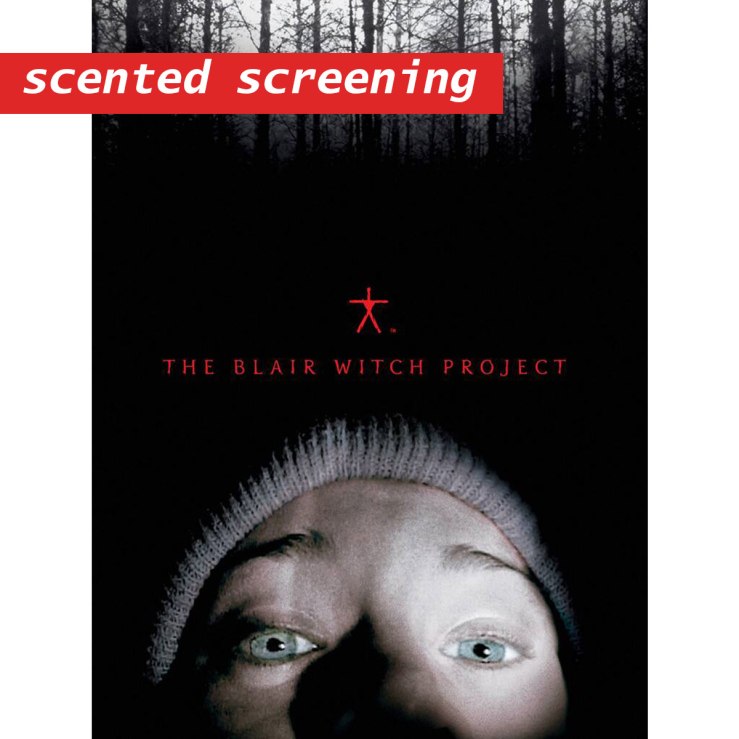
Scented Screening: The Blair Witch Project (1999)

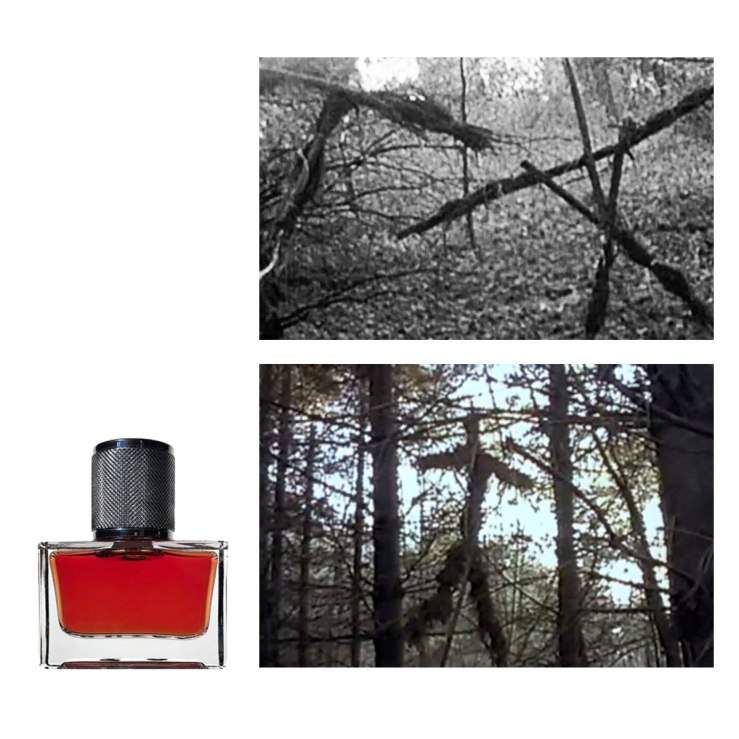
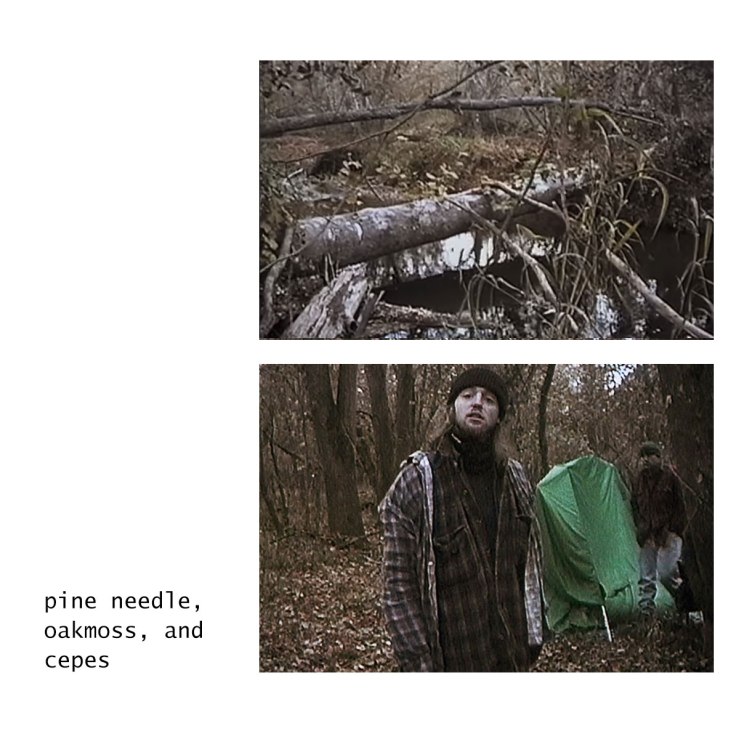
Last night I hosted my first “scented screening,” and it was so interesting and fun! We watched The Blair Witch Project (1999). Light spoilers ahead.

This movie was a fun one to scent because while the setting is basically consistent throughout—they’re in a forest—I could use smells to play up emotional undertones. Most importantly, the action is somewhat ambiguous, leaving room for scent to play with our interpretations of what’s happening onscreen.

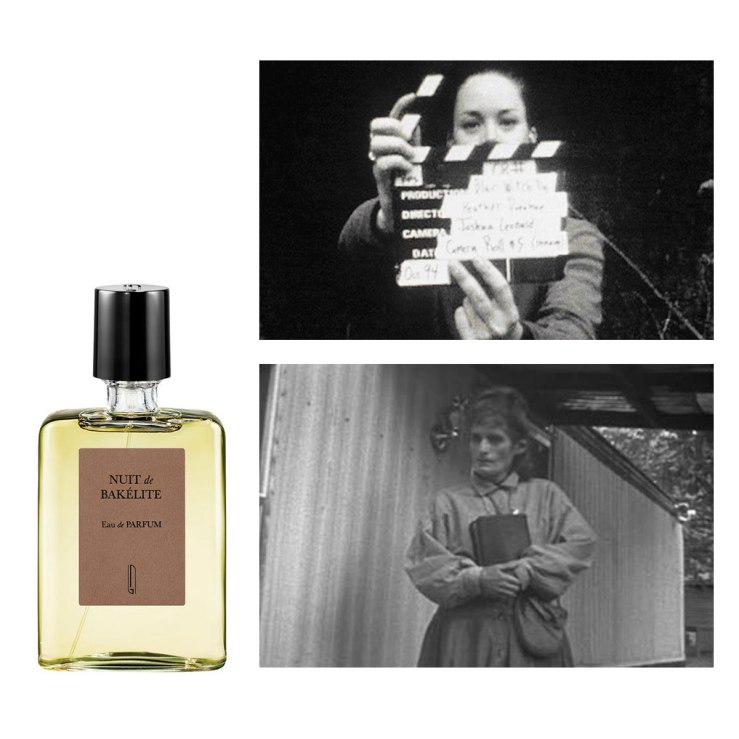
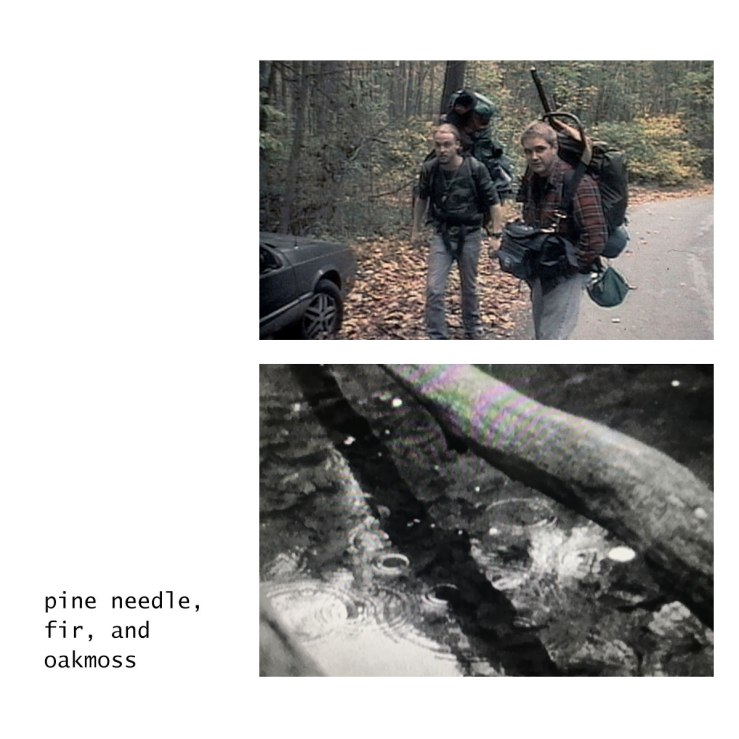
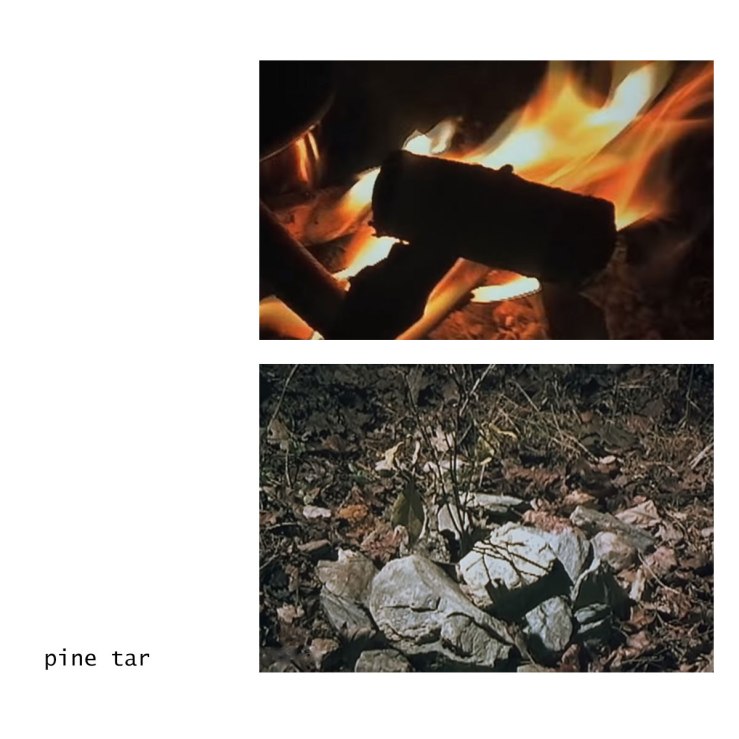
How it worked was simple: I dipped paper strips and passed them out at key moments; generally one scent every 10 minutes or so. Some were raw materials or a mix of raw materials, and some were perfumes.

I used Nuit de Bakélite by Naomi Goodsir to set the tone: green, insomniac, unsettling, with plasticky notes evoking camera equipment. 

Chris Rusak’s Io, with its incense and woods, signaled that we’re in the midst of something ritualistic.

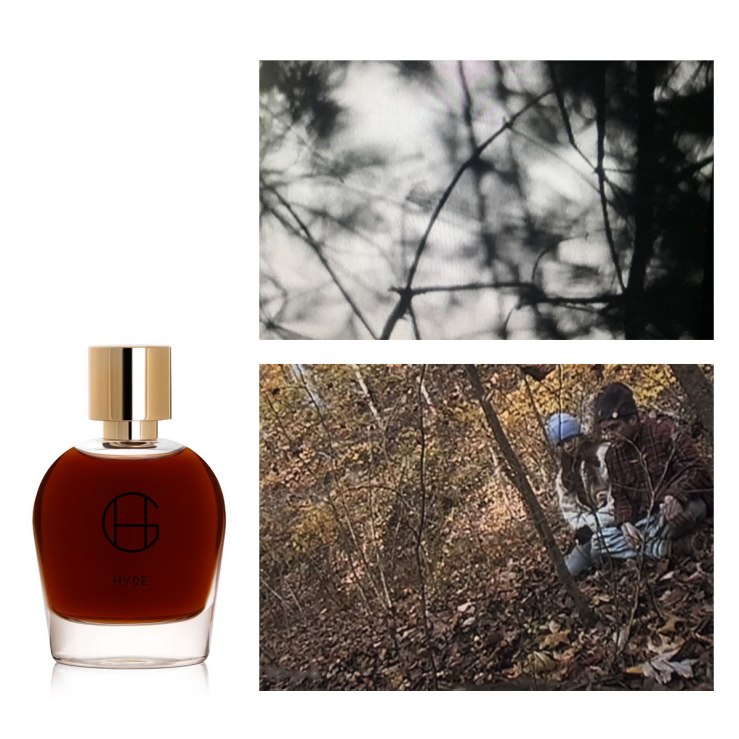
I used Hiram Green’s Hyde for warmth and subtle sweet undertones, inspired by the way the characters try to cope and get comfort from each other in a terrifying situation.

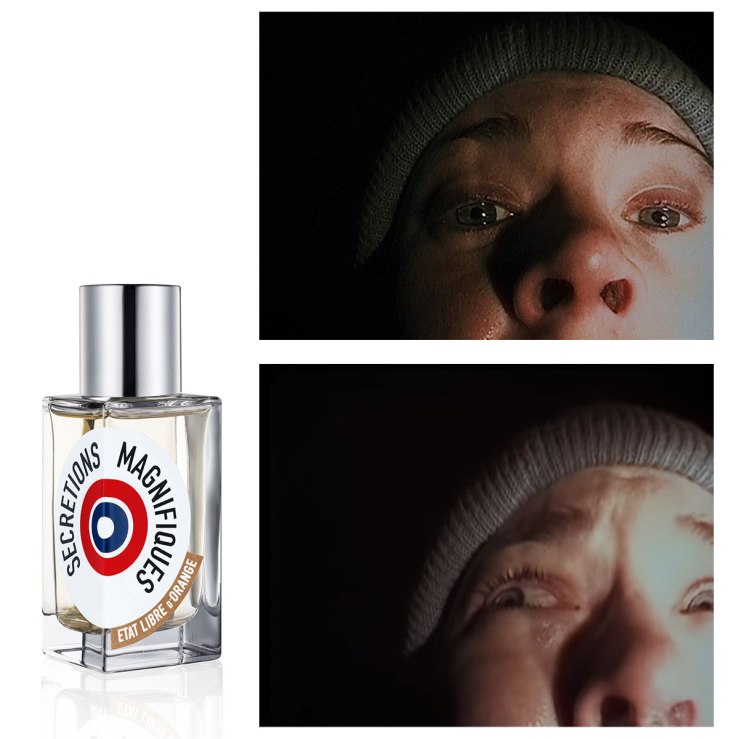
Secretions Magnifiques by Etat Libre d’Orange: a notorious scent for a notorious scene. I wasn’t sure how my audience would take this scent. It’s like a brick wall of stale sweat to me, but I hoped it would smell like BO, snot, and raw fear. To my surprise, the audience actually found the scent quite pleasant! They said it smelled fresh, or like cotton. I wonder how much they influenced each other on that one, or how much I’ve been influenced by descriptions of the perfume.

Finally came Moth by Zoologist, a musty haunted mansion. One audience member disagreed with this scent choice—he said it was too pleasant for what was happening onscreen. I liked that reaction, because then we could talk about what kind of scent expectations we had and how we all thought the setting should smell.

Overall it was a fun way to further engage with a classic movie. What scents would you choose for The Blair Witch Project?

Perfume Material: Frankincense

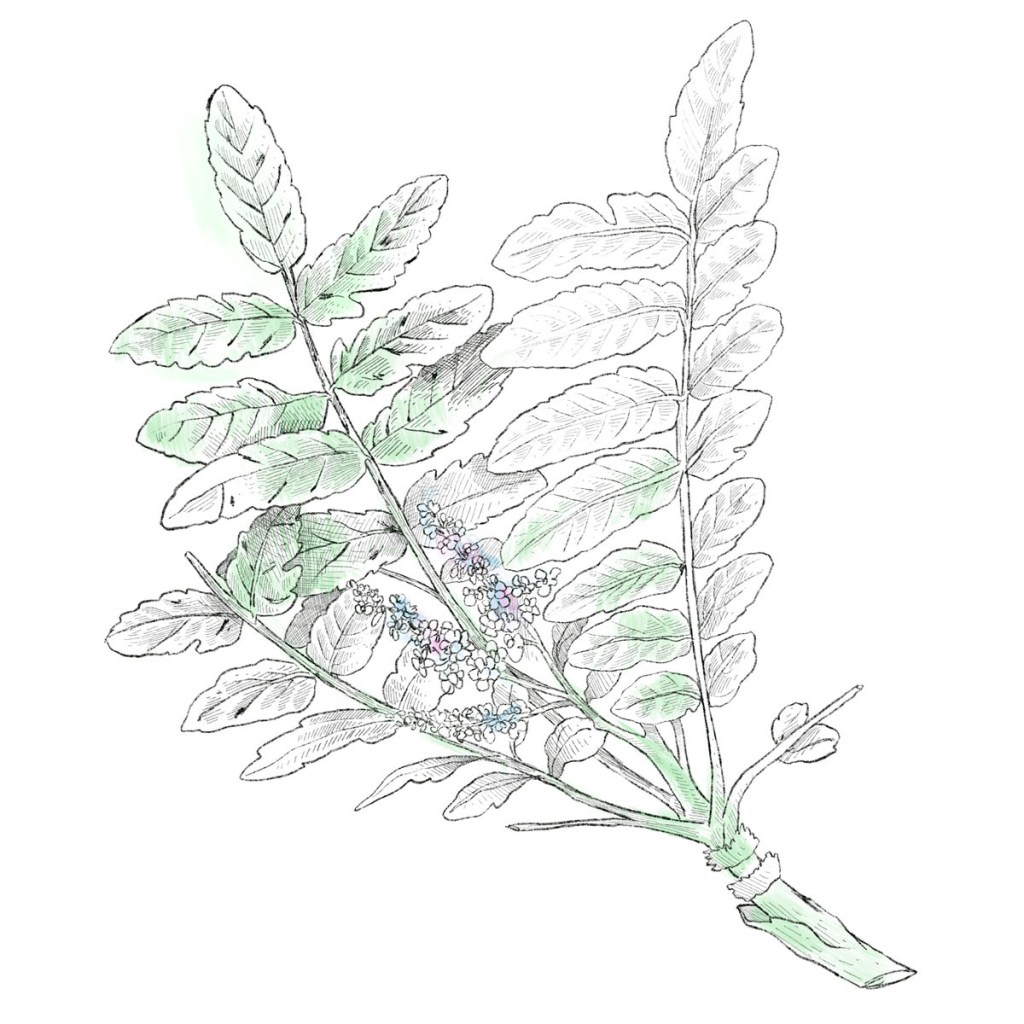
I’ve been having fun burning frankincense and other resins as incense lately. Frankincense specifically is one of the more light, “clean”-smelling resins with notes of lemon and pine.

Trees of the genus Boswellia ooze the resin “tears” from “wounds” that harvesters cut into the bark.

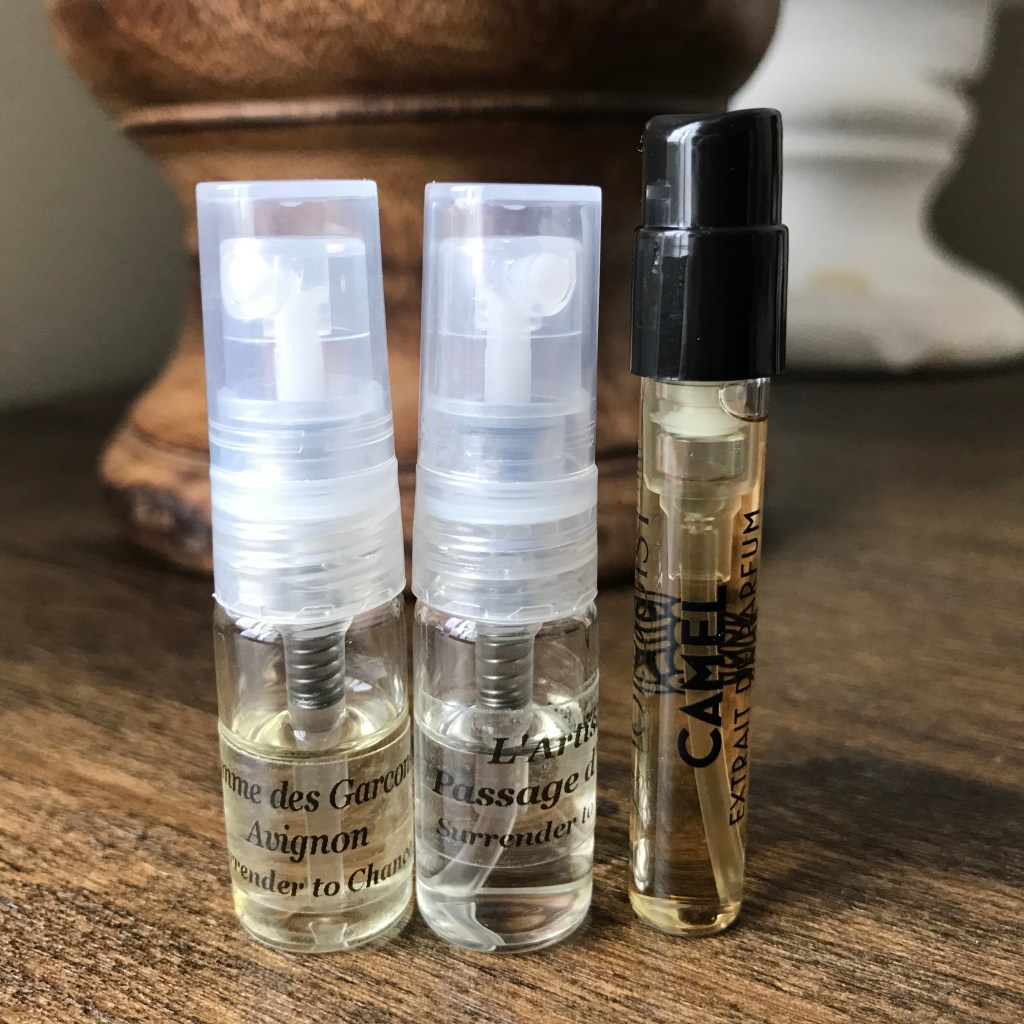
My favorite frankincense perfumes are Avignon by Comme des Garcons which perfectly evokes that high church blend of frankincense and myrrh that Catholics will remember from their childhood; Passage d’Enfer by L’Artisan Parfumeur, which showcases the cleaner side of frankincense, somewhere between freshly showered and cool & cavernous; and Camel by Zoologist, rich and warm with incense and sweet dried fruits. Do you have a favorite incense or incense perfume?

Perfume Note: Lily

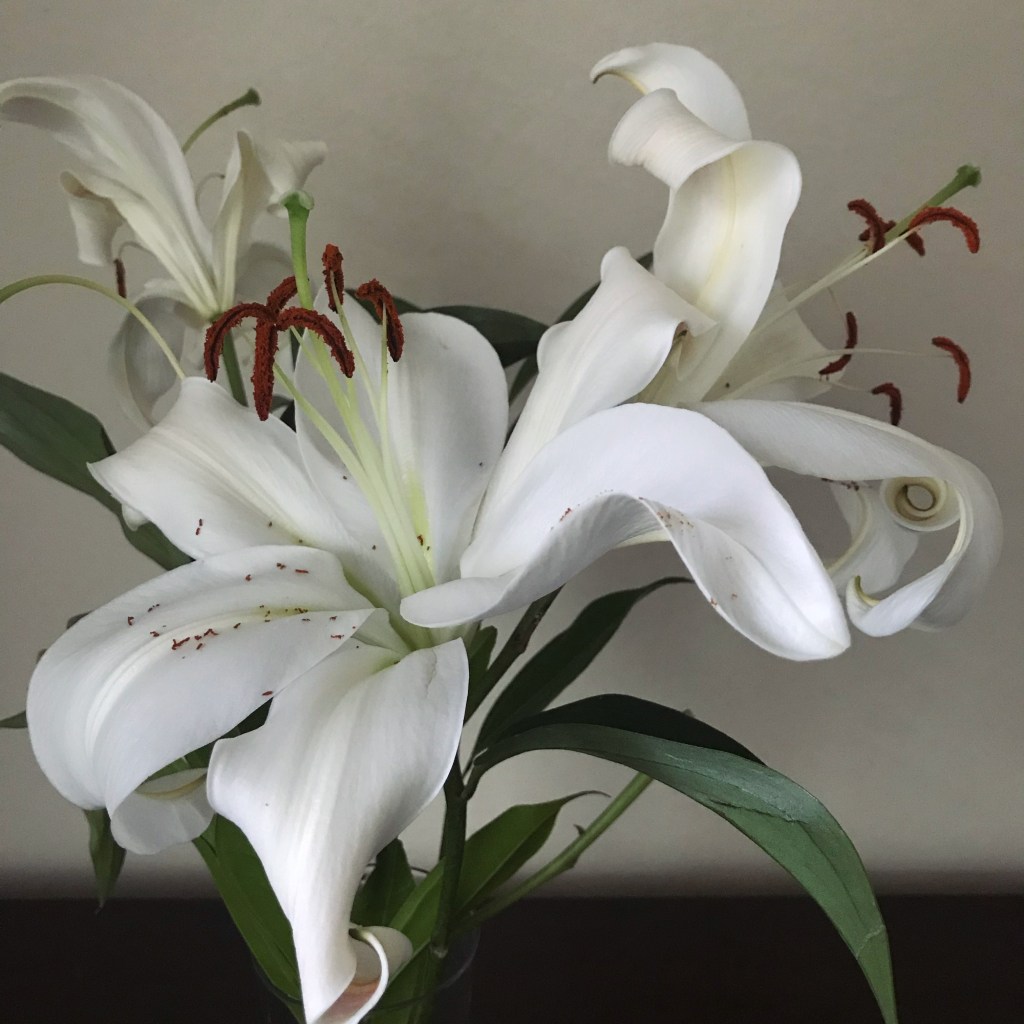
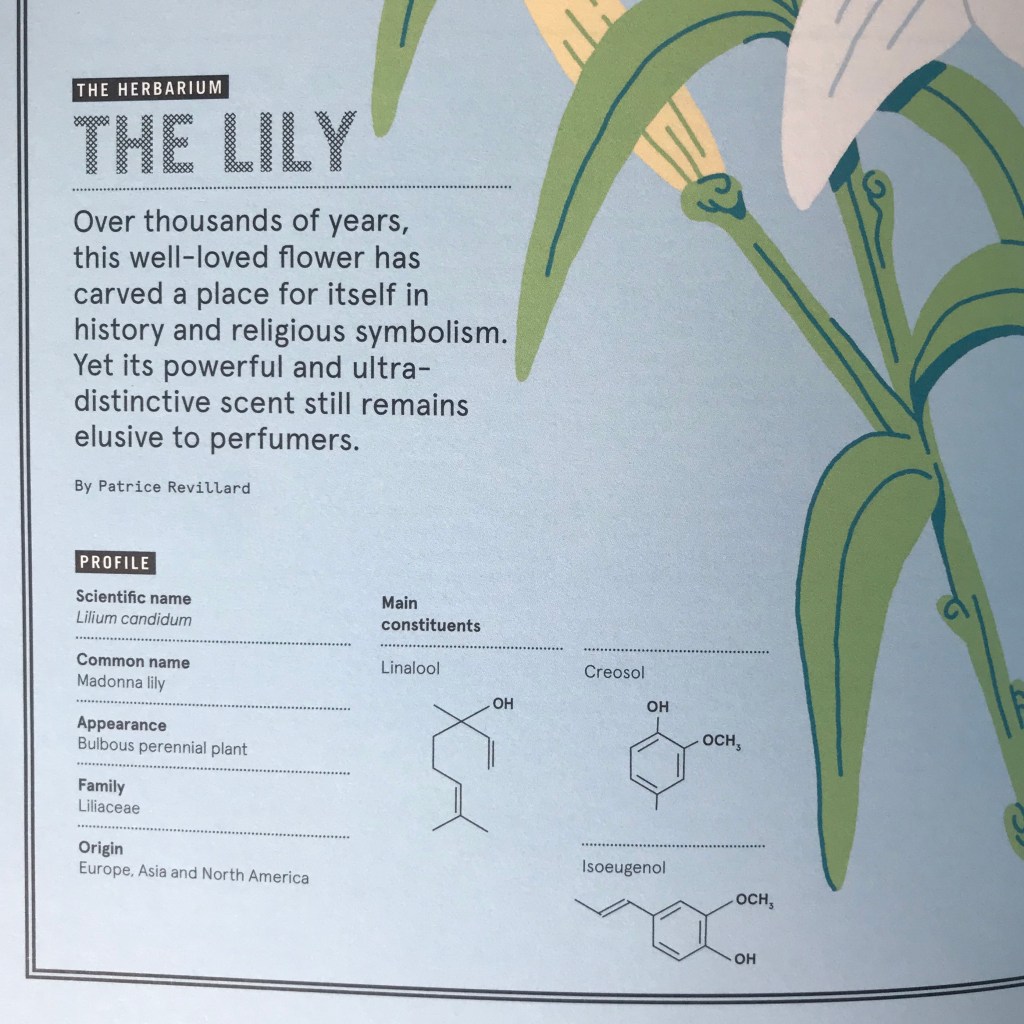
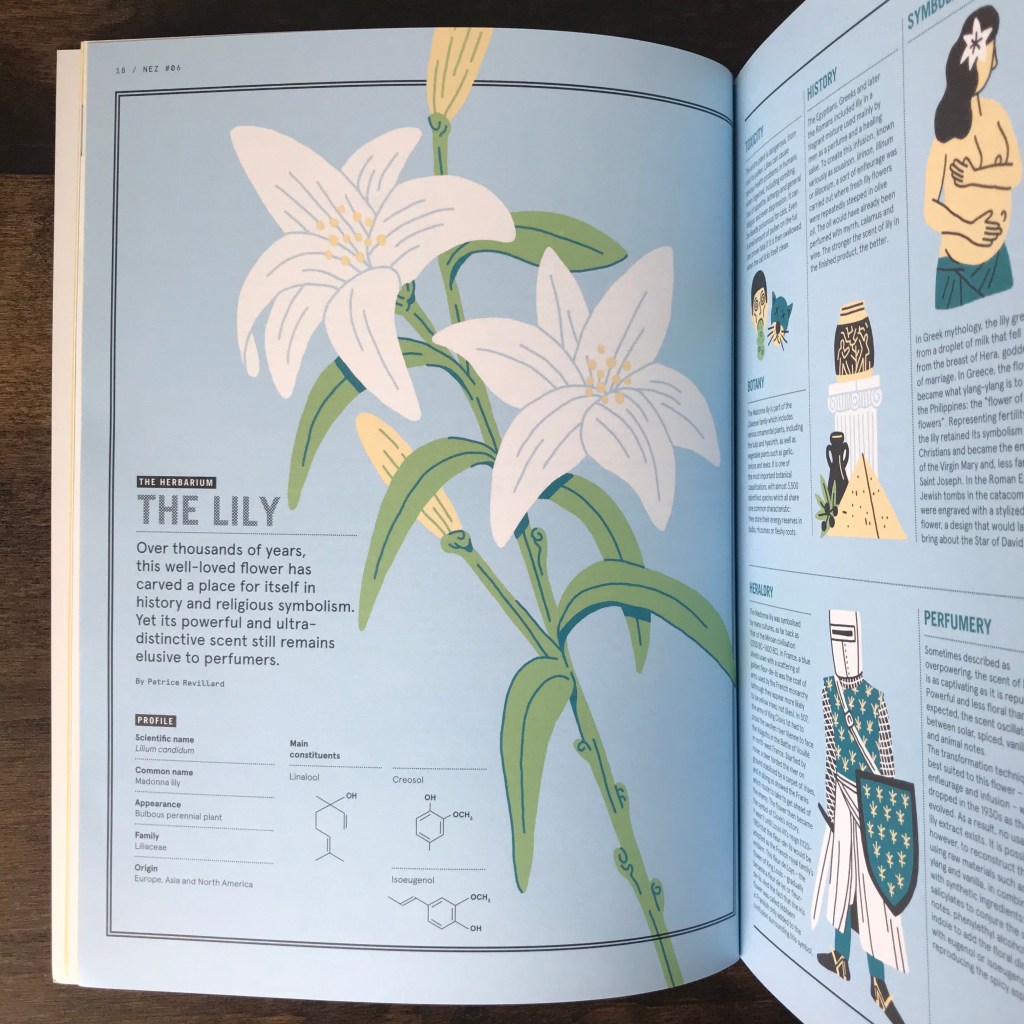
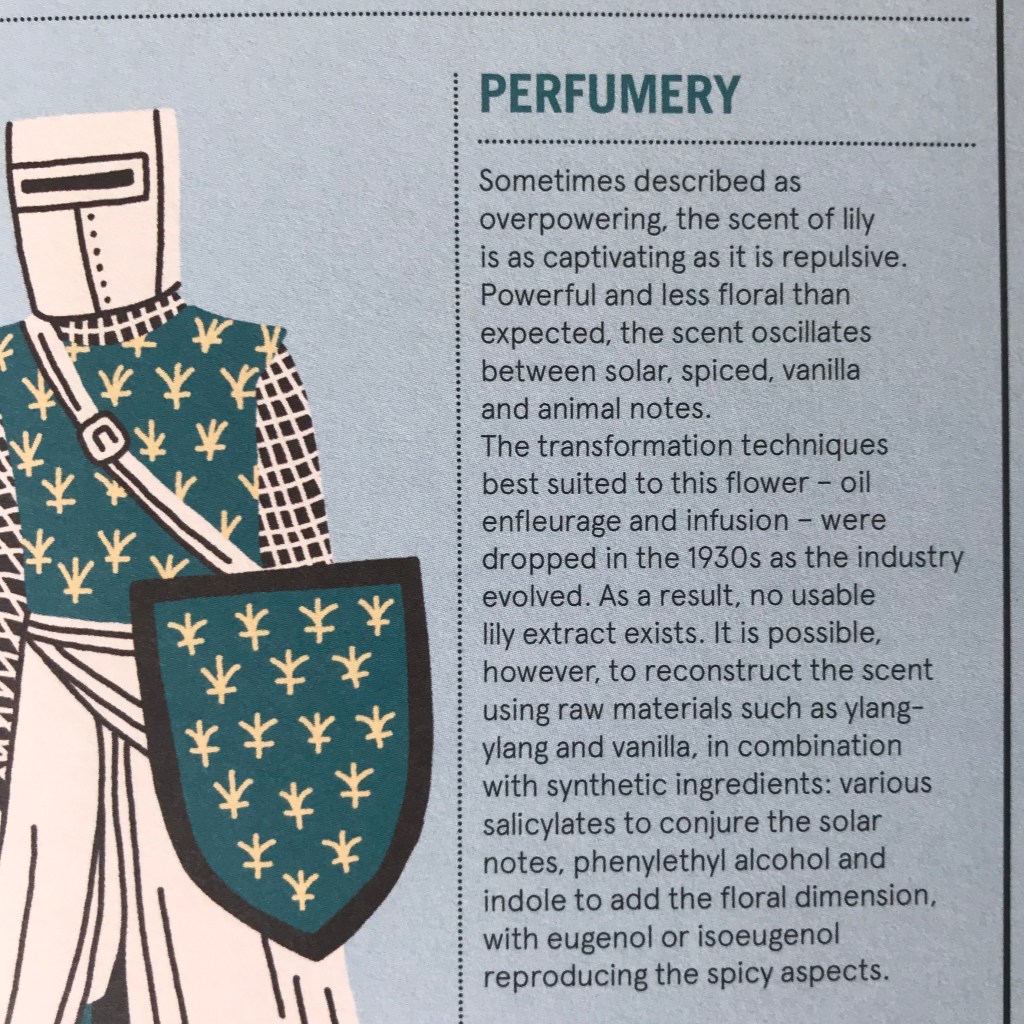
My love gave me a bouquet of lilies and roses a couple of fragrant weeks ago. The lilies’ aroma overpowered the roses from the start; our apartment has been filled with their scent.

For the first few days, my primary experience of it was my association with funeral homes. After a while I moved past that and was surprised by how animalic they smelled, almost savory, like a floral ham. The scent seemed stronger from a distance—it asserted itself in the room, but when I stuck my nose into the bouquet, it became shy and I smelled the softer scent of petals.

I found this spread about lilies in Nez Magazine issue 6, which was fun to read alongside my experience.

Smellscapes: Smell Maps

A different way to interpret place: the smellscape. These “smell maps” by Kate McLean are beautiful visual representations of olfactory experience.

Kate leads groups of “cartographers” on smell walks to catalog smells, then finds the common ground in their perceptions—because inevitably, everyone perceives an olfactory landscape differently.

What are the smells that characterize your city? Your neighborhood?